
What to Pack for a Day Hike: Essential Gear Checklist
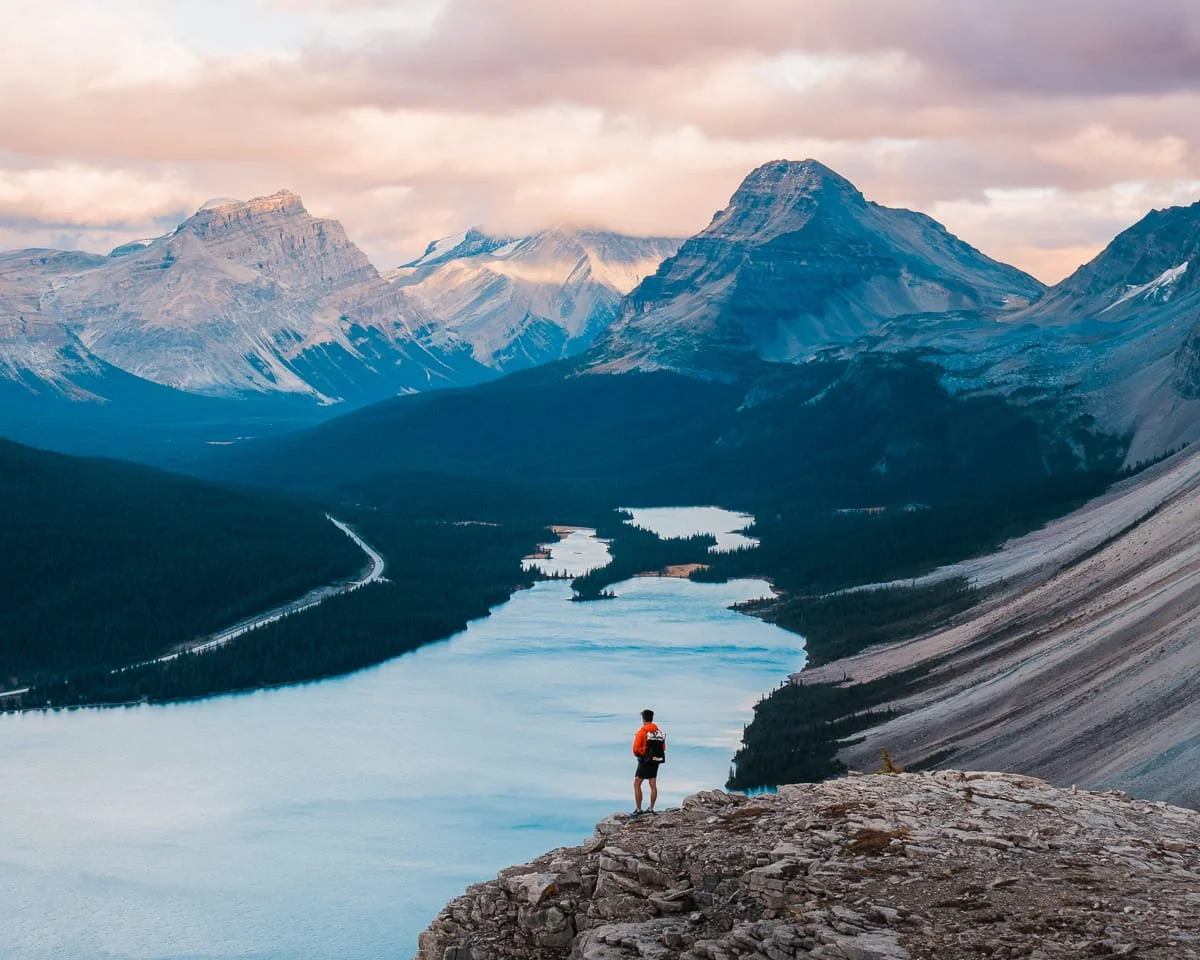
The Ultimate Day Hiking Gear List for Warm Weather Hiking
Whether you're heading out for a short local trail or a full-day mountain adventure, knowing what to pack for a day hike makes all the difference. This complete day hiking gear list covers exactly what to bring, what to wear, and how to pack smart for warm weather hikes.
Day hiking is one of the most accessible and rewarding ways to experience the outdoors, but figuring out what gear you actually need can feel overwhelming at first. Between the two of us, we’ve spent more than 20 years hiking everywhere from local Washington trails to routes around the world. We’re also hike leaders for The Mountaineers in Washington State, guiding day hikes throughout the Pacific Northwest, which means we’ve refined this packing list through real-world experience.
In this guide, we’ll walk you through the Ten Essentials, our personal day hike gear recommendations, and practical clothing tips for spring and summer conditions. If you’re planning fall or winter hikes, you can also check out our Fall & Winter Hiking Guide for cold-weather layering strategies.
You don’t need to spend hundreds of dollars or carry a massive pack for a simple day hike. What you do need is a clear understanding of the hiking essentials that keep you safe, comfortable, and prepared for changing trail conditions.
If you want to take a deeper dive into hiking clothing and gear options, checkout these additional guides:
Table of Contents
Disclaimer: This blog post contains affiliate links, meaning we receive a small commission of every purchase made with our links at no additional cost to you. Sometimes there is even a discount code for my readers which we specify next to the links.
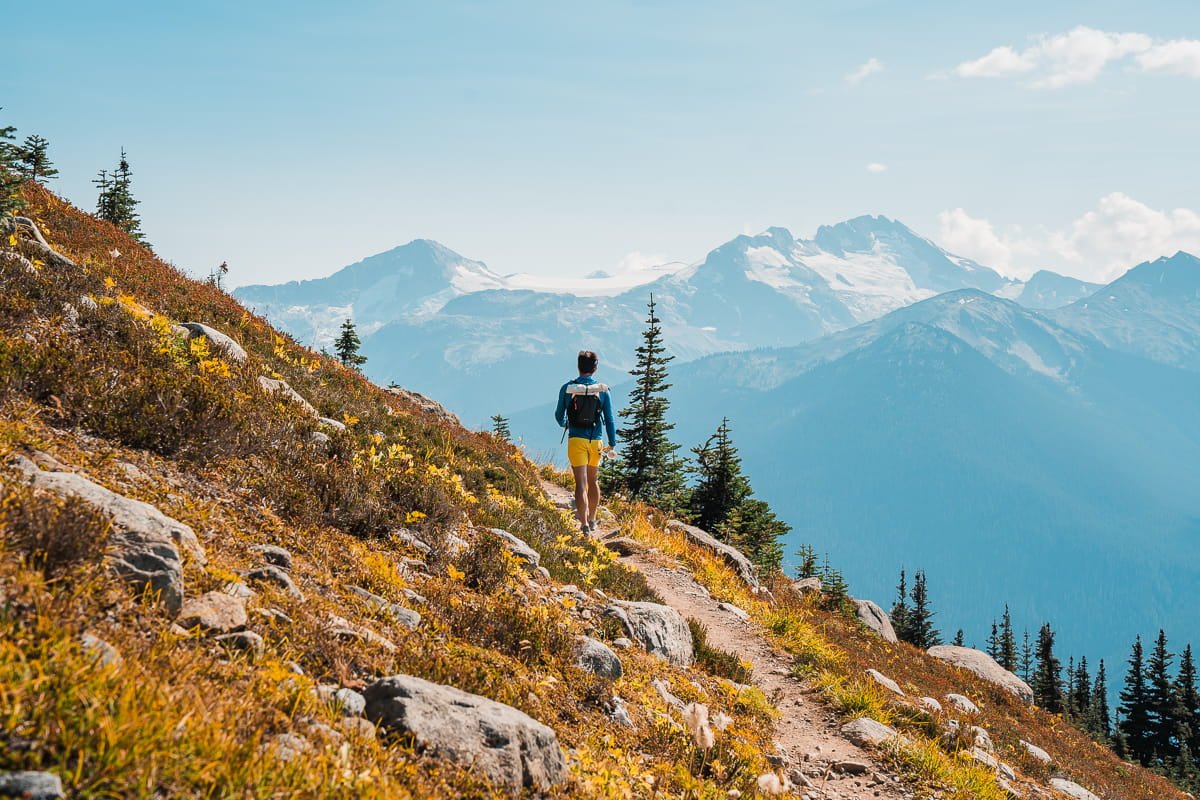
Hiking the High Note Trail on Whistler Peak in Whistler, BC
The Ten Essentials for Hiking
You’ve probably heard of the Ten Essentials, but what are they and why do you need to always pack them?
The Ten Essentials system was developed by The Mountaineers, a Seattle-based outdoor organization, and first introduced in the 1930s as a list of ten individual items. Today, it has evolved into ten functional categories that every hiker should consider before heading out, whether for a short day hike or a multi-day backcountry trip.
While the Ten Essentials serve as a foundational day hike packing list, they are meant to be adaptable. A well-traveled trail near town may require a lighter approach, while remote terrain or unpredictable mountain weather calls for more comprehensive preparation. The key is to evaluate your route, weather forecast, group experience, and potential emergency scenarios, then pack accordingly.
1. Navigation (Maps, GPS & Route Planning)
Maps, a compass, a GPS device, or a smartphone with downloaded offline maps help you stay found and avoid wrong turns. Even on familiar trails, intersections can be confusing, snow can obscure paths, and weather can change visibility quickly.
We primarily use the GaiaGPS app as our main navigation tool. It allows us to create custom routes, track mileage and elevation, and download maps for offline use. It’s indispensable both for planning day hikes and navigating in the field. One feature we love is the ability to share a login across devices so both partners have access to the same updated routes.
For longer backcountry trips, such as the Wind River Range High Route, we still carry a paper map and compass in case electronics fail. Phones can break, batteries can drain, and redundancy matters in remote terrain. If you’re new to navigation, taking a course to learn map reading and basic orienteering skills is well worth it.
2. Sun Protection (Sun Shirts, Hats, Sunscreen)
Sun protection includes sunscreen, SPF lip balm, sun hoodies, wide-brim hats, and sunglasses. Mountain environments intensify UV exposure due to elevation and reflective surfaces like snow and rock. Even on cloudy days or glacier travel, sunburn can happen quickly.
We take sun protection seriously and regularly use every one of these items on alpine hikes. Preventing sunburn, dehydration, and long-term skin damage is far easier than dealing with the consequences later.
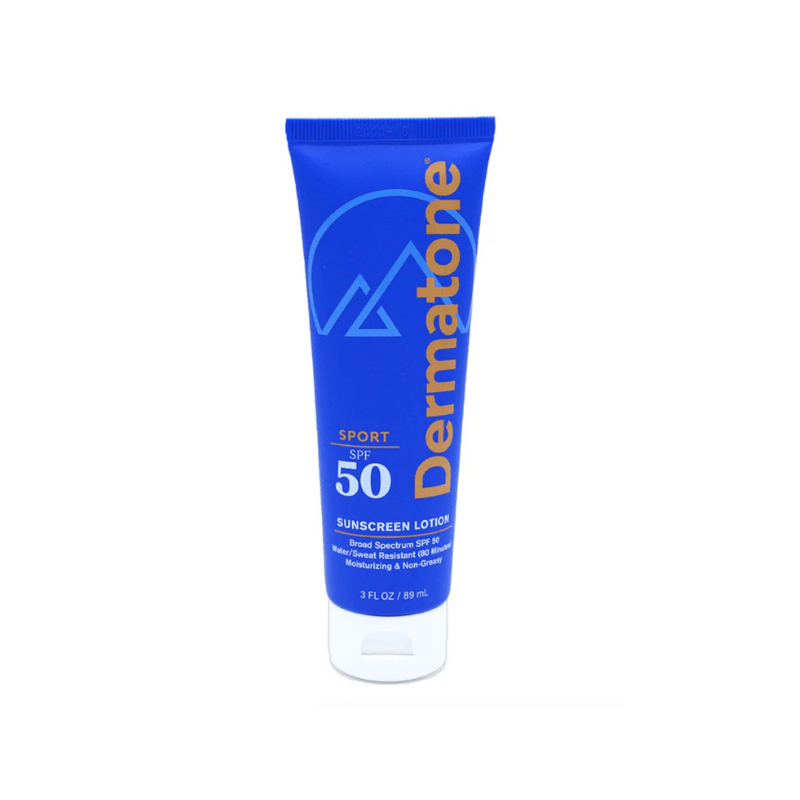
Sun Screen - Dermatone Sport Sunscreen Lotion (non-greasy and lightweight formula)
Lip Balm - Dermatone Medicated Lip Balm
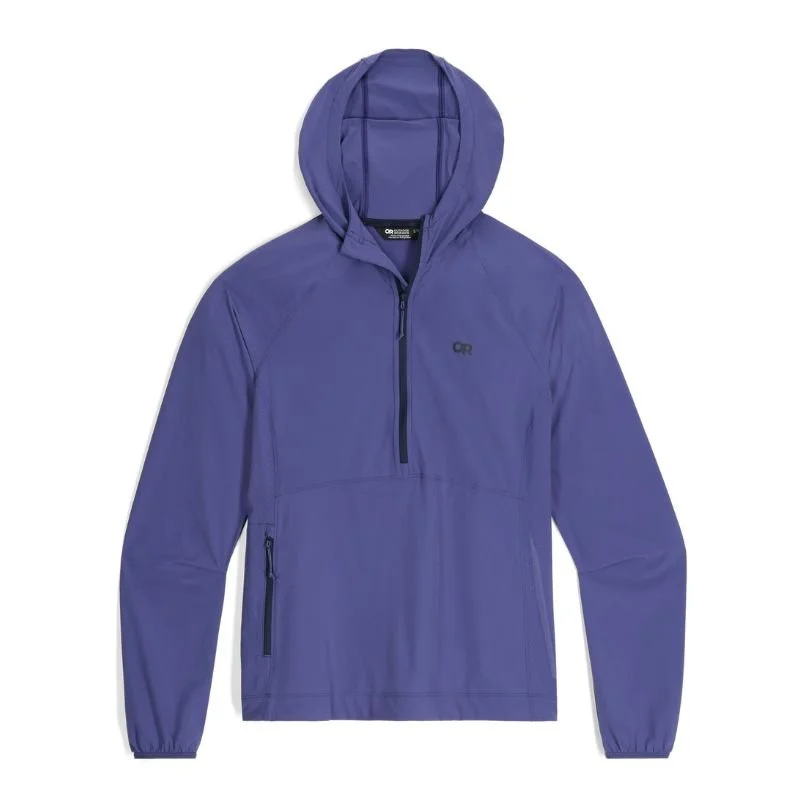
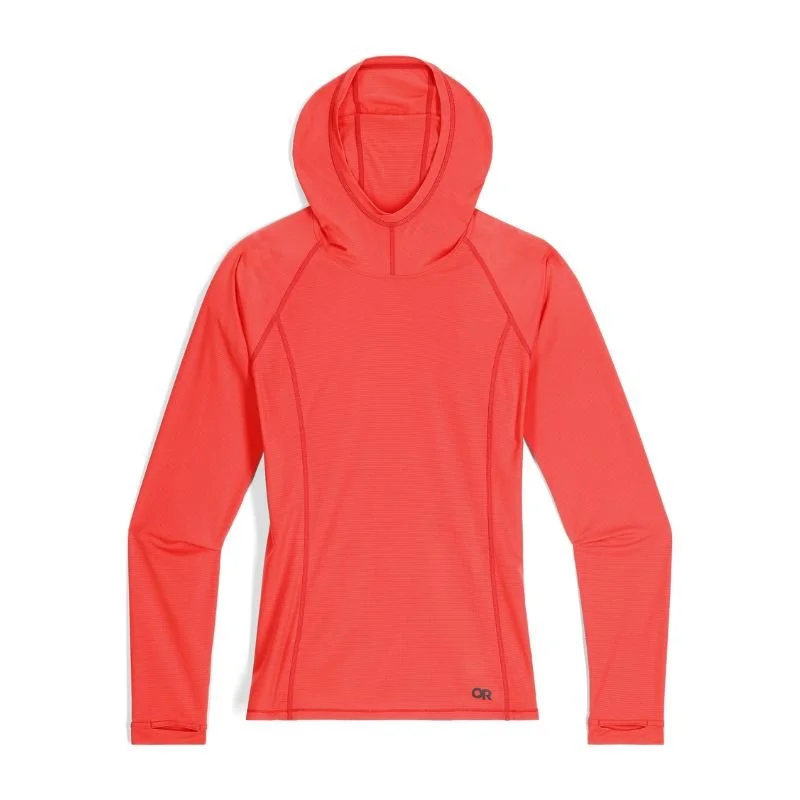
Sun Hoodies - Our go-to over the years is the Outdoor Research Astroman Hoodie Men’s | Women’s
Checkout our comprehensive guide that takes a deep dive into the Best Sun Hoodies for Hiking and Backpacking
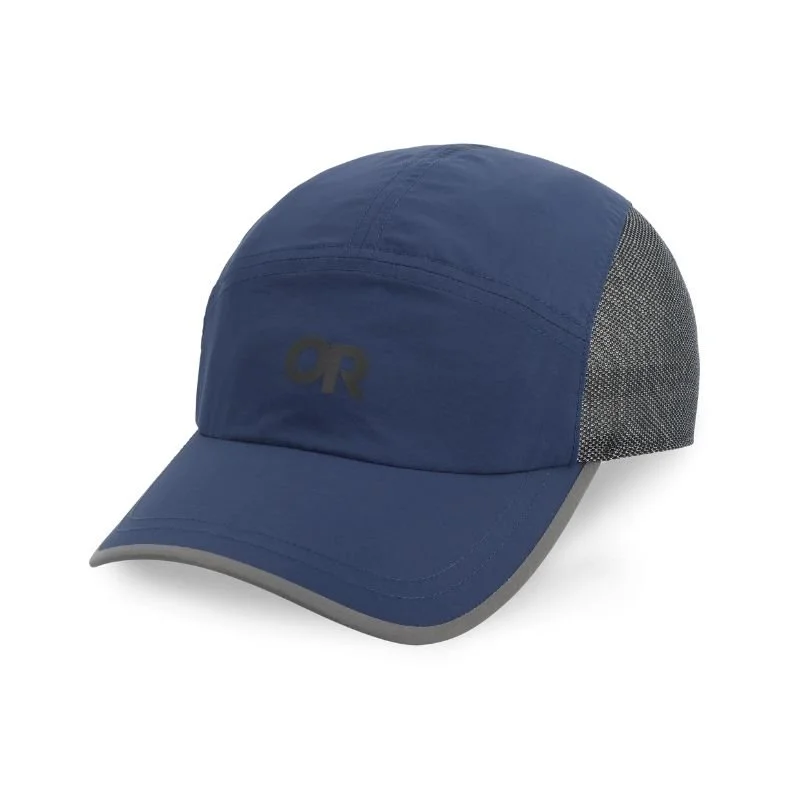
Sun Hat - Outdoor Research Swift Cap is lightweight and can handle all sweat and trail abuse you throw at it
Sun Glasses - We’re habitual sunglass breakers so the affordable Goodr sunglasses that also come with a lifetime warranty has worked great for us. For high alpine adventures with snow travel, we bring out the extra dark Jublo Legacy Glacier Sunglasses
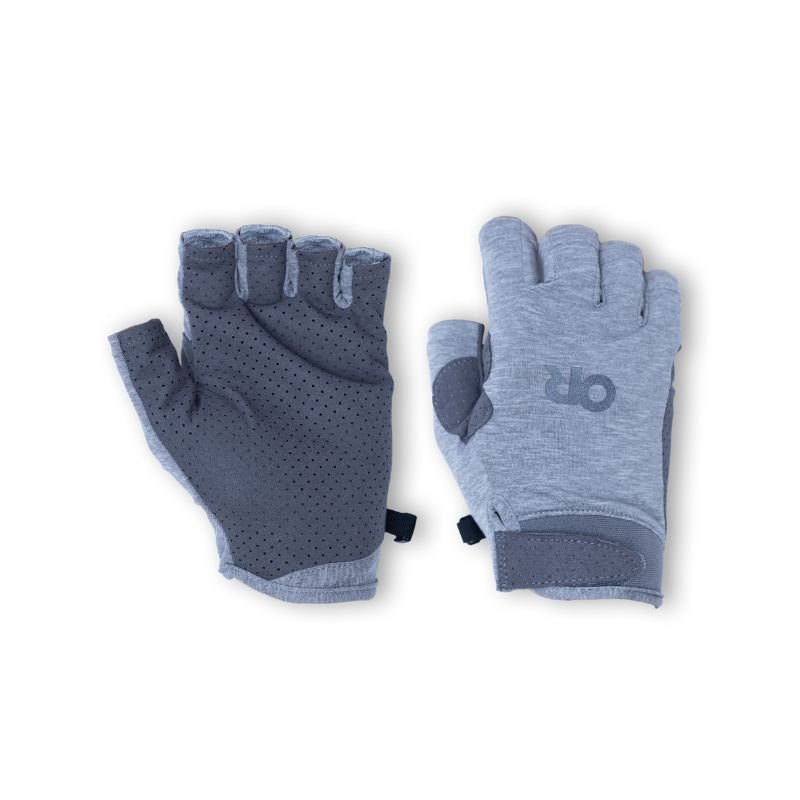
Sun Gloves (optional) - Outdoor Research ActiveIce Chroma Sun Gloves offer an alternative to applying sunblock on your hands. These really shine on long exposed desert hikes or hot high alpine days.
3. Insulation (Extra Layers)
Extra clothing layers to keep you warm in case of unexpected weather changes, injury-related stops, or emergency overnight situations. We always bring the following on day hikes, but will drop gloves and swap the down jacket for something lighter on summer hikes in warm temperatures.
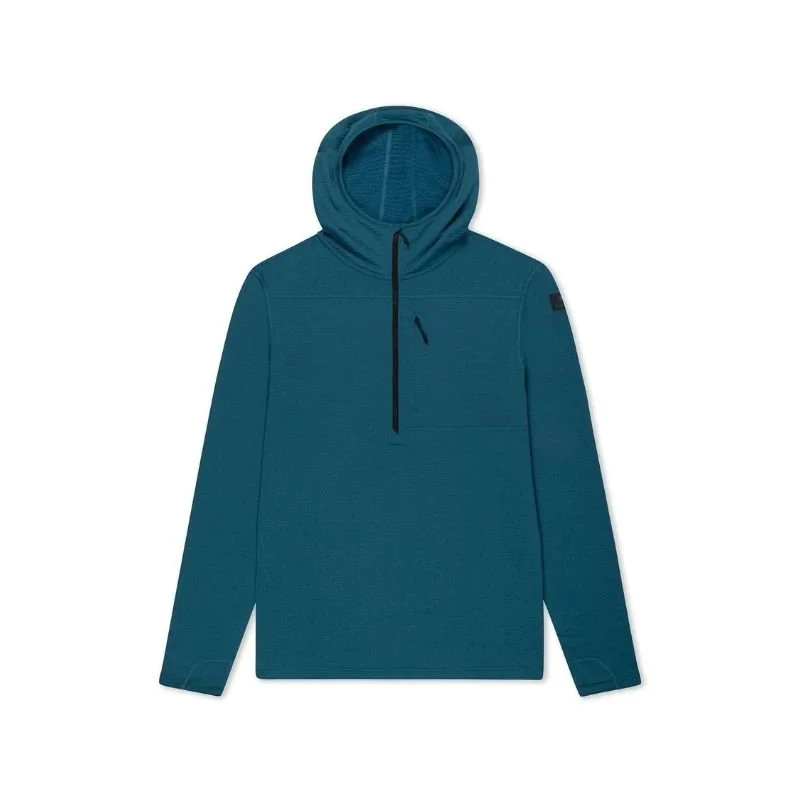
Mid-Layer - These days we’ve really been enjoying the wool blend Convict Canyon Hoodie mid-layer made by Ridge Merino. Fitted, doesn’t hold odors, and toasty warm
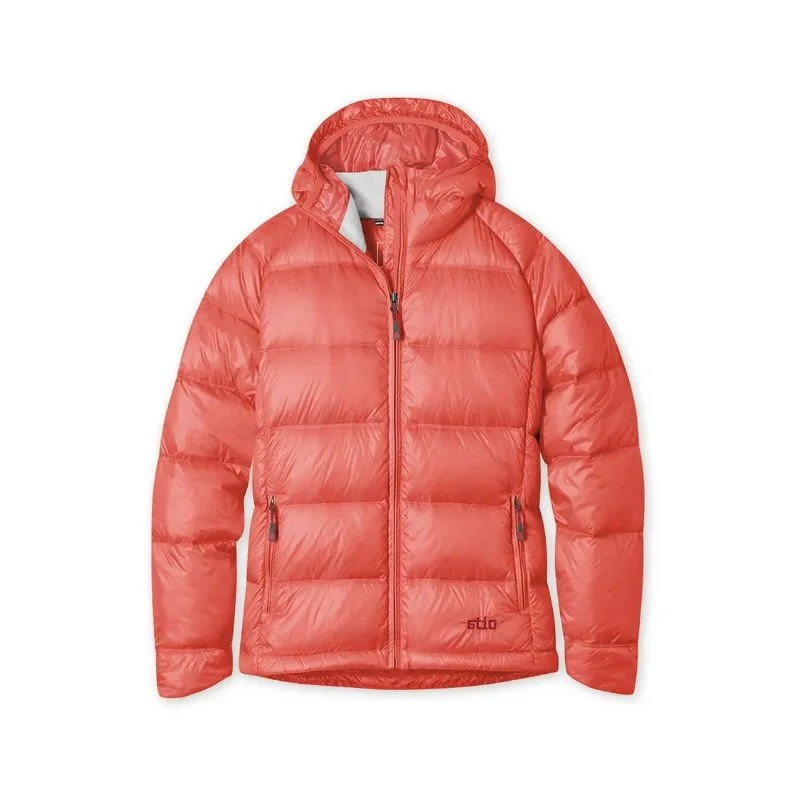
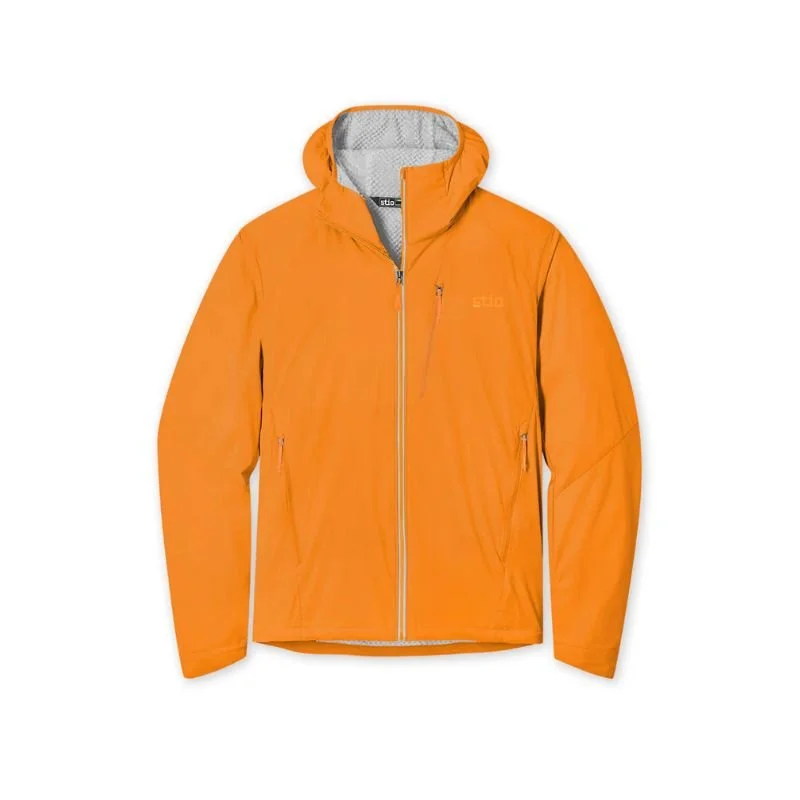
Puffy Jacket - Stio Hometown Down Hooded Jacket is our heavy down jacket. Compresses well in your pack and is very warm
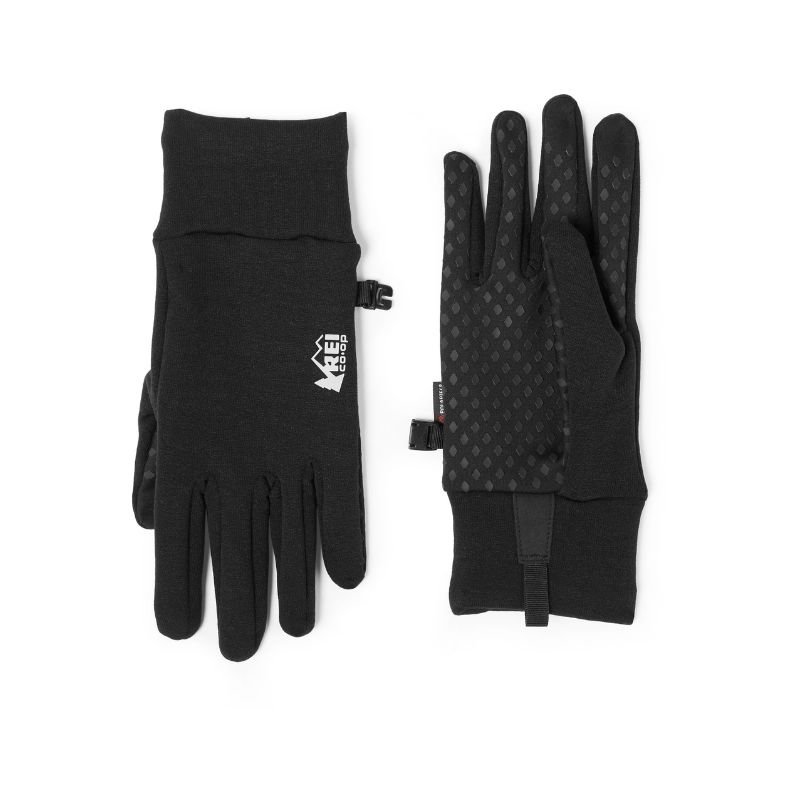
Gloves - For cooler hiking days, the light weight REI Flash Power Strech Gloves are great
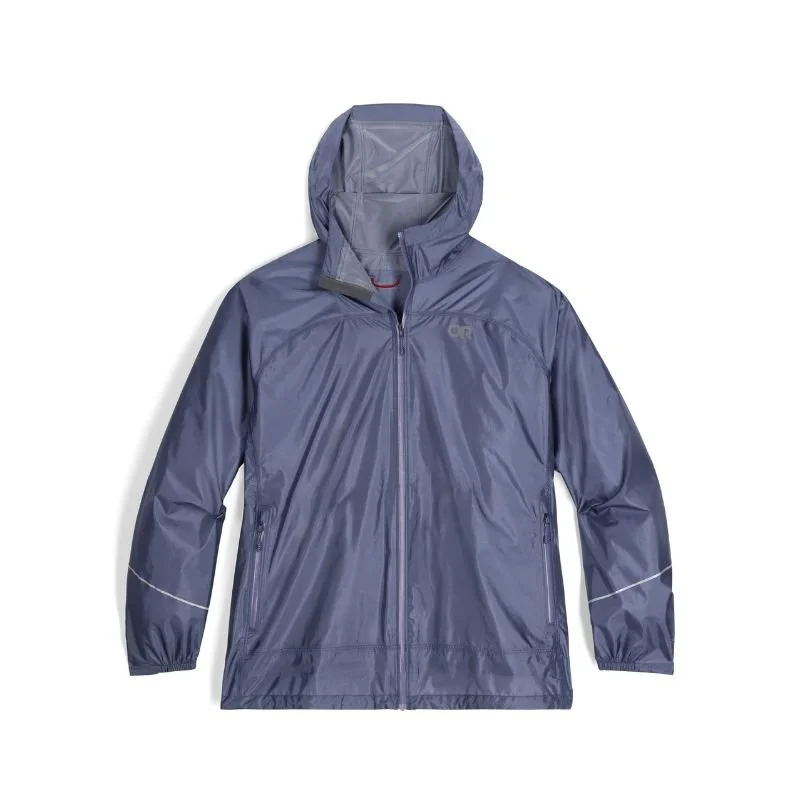
Rain Jacket - The lightweight and compact Outdoor Research Helium is no-brainer to throw into your pack
4. Illumination (Headlamp)
A headlamp or flashlight with extra batteries to navigate safely if your hike takes longer than expected. We’ve easily tested over 20+ headlamps over the years (people love giving them to us as Christmas gifts), the Blackdiamond Spot 400 is a solid rechargeable choice and the Nitecore NU25 is our favorite ultralight option.
5. Basic First Aid Kit
We always carry a small first aid kit for minor cuts, blisters and other issues that arise on the trail. The most common issue are blisters and we swear by Leukotape K for its form fitting stretchy flexibility over Moleskin for covering up blister hotspots.
If you’re heading into the backcountry regularly, consider taking a Wilderness First Aid or Wilderness First Responder (more intensive) course. The most popular and national wilderness medicine program is through the National Outdoor Leadership School (NOLS) but there are many smaller regional organizations that host their own wilderness courses too.
6. Fire Starter
Waterproof matches, a lighter, or fire starter material can provide warmth, signaling, or a way to purify water in an emergency. We keep a small lighter and a few compact fire starters inside a zip-top snack bag and store it in our first-aid kit so it’s never forgotten.
In most cases, building a fire should be a true emergency measure. Gathering firewood and starting campfires in the backcountry can damage fragile environments and increase wildfire risk, especially in dry regions. Always follow Leave No Trace principles and local fire regulations.
7. Repair Kit
A small repair kit can prevent minor gear failures from becoming serious problems.
Repair tape like Tenacious Tape is ideal for quick in-field repairs to puffy jackets, rain shells, tents, and tarps. We stash about six inches of it in our first-aid kit so it’s always accessible.
If you’re backpacking overnight, carry the small repair kits that come with your tent and sleeping pad. On day hikes, tailor your repair items to what you’re bringing, but a minimal backup can make a big difference.
8. Nutrition (Snacks & Extra Food)
Pack extra food beyond what you plan to eat in case your hike takes longer than expected. Additional calories help maintain energy, regulate body temperature, and support decision-making if you’re delayed.
For long days on the trail, we prioritize variety and convenience. That often includes trail bars such as Clif Bars, energy gels, and even classic candy bars (Snickers, Almond Joy etc.) Mixing sweet, salty, and quick-digesting options helps prevent flavor fatigue so you’re not dreading your next snack.
Experiment to find what works for your body, activity level, and what tastes good to you, you need to actually want to eat it — nutrition is highly personal.
9. Shelter (Emergency Blanket or Bivy)
Emergency shelter protects you from wind, rain, and cold if you’re injured, lost, or forced to wait for assistance.
For most day hikes, we carry a lightweight emergency blanket rather than a dedicated emergency bivy or tent. These compact blankets are affordable, weigh almost nothing, and fit easily into a first-aid kit. In a hiking emergency, they can help retain body heat while you wait for help or stabilize a situation.
10. Hydration (Water, Water Filter, Hydration Powder)
Hydration is one of the most important components of any day hike packing list.
Carry enough water for your planned mileage and conditions, and consider bringing a method to treat additional water if natural sources are available. As a general baseline, we carry at least one liter per person for short hikes and increase that amount for hot weather, long distances, or significant elevation gain.
Though you may not need to filter water on a short day hike, many times on longer hikes (10+ miles) we do filter along the way. And if you need a little extra boost, hydration powder is great to keep in your pack as well.
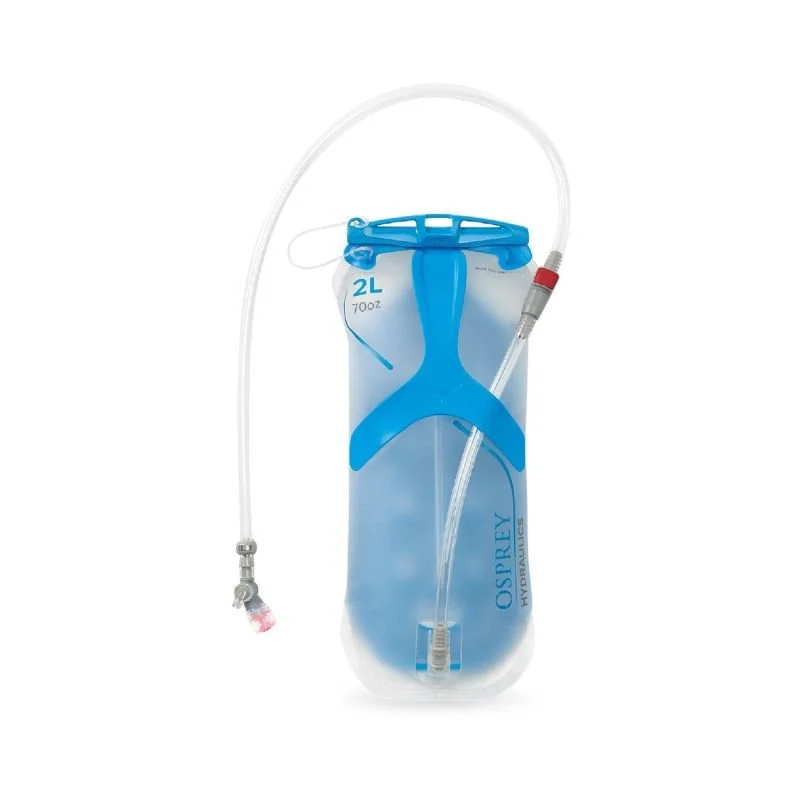
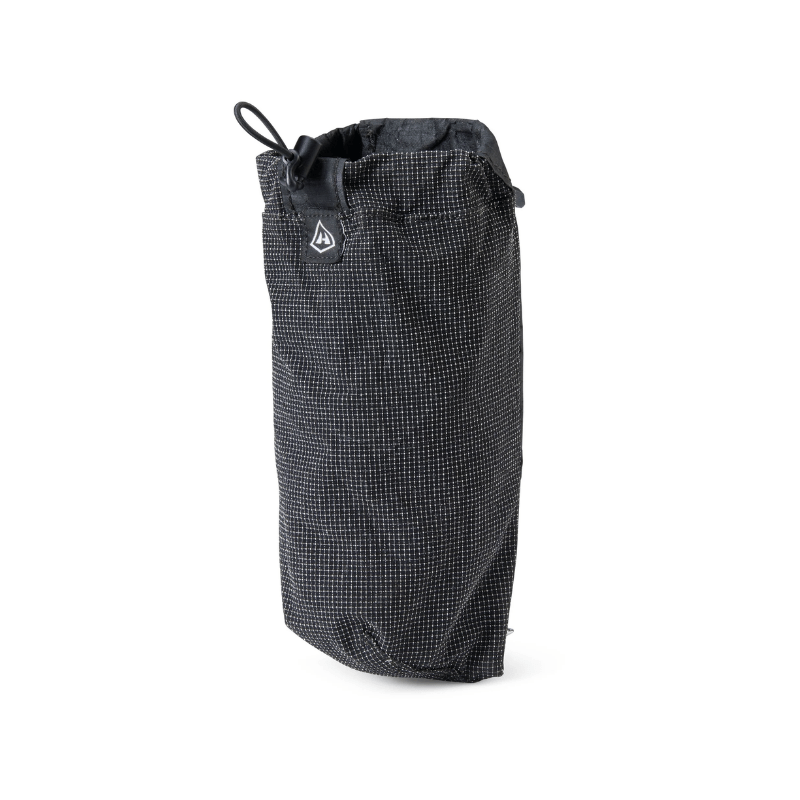
Water Carrying Systems - There is surprisingly a wide variety of methods for carrying water along with you in your pack. The most common is a 1L Nalgene bottle tucked into a side pocket of your pack. The other common methods are via a hydration reservoir that tucks inside your backpack and delivers water through a tube attached to your shoulder strap or a water pocket attached to your shoulder strap that holds a small water bottle. Each method has its own pros and cons that we break down in the table below. If you already have a 1L water bottle, that’s perfectly ok to hike with. As you progress learn your own preferences then you can invest in different water systems.
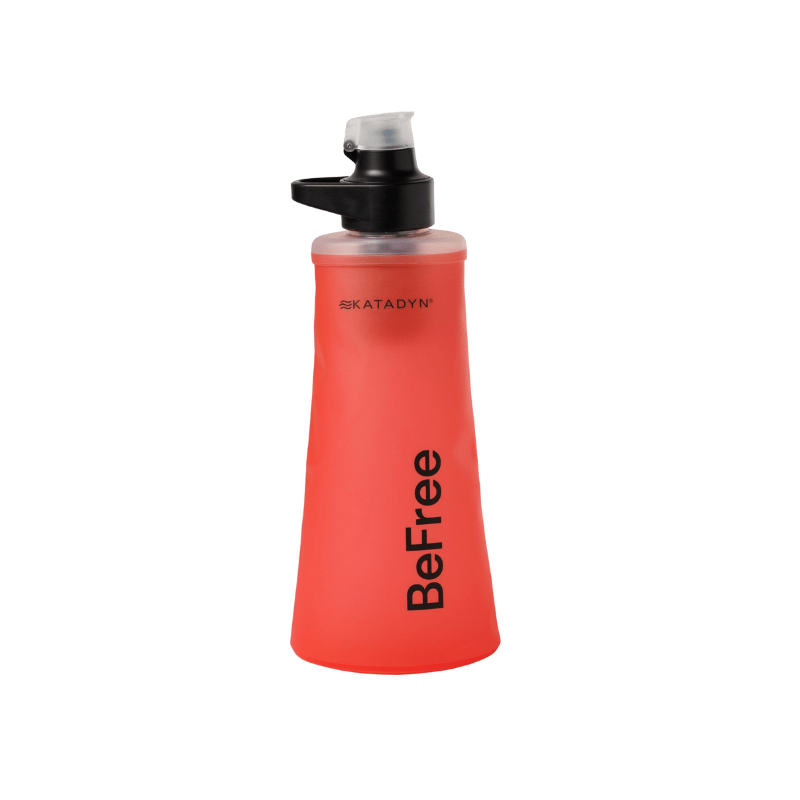
Water Filters - If you’re day hiking you’re very likely able to carry all the water you need for the day, but if you like to cut back the water weight and there are ample water sources then you might want to bring a filter along. By far our favorite hiking water filter is the Katadyn BeFree AC 1L filter. This filter is lightweight and compact since it combines a water reservoir with the filter. We love it for it quick filtering, that it’s easy to fill up on the go and you can carry extra water and drink straight from it.
Best Ways to Carry Water on a Day Hike
There are several ways to carry water on a day hike. The most common is a one-liter bottle stored in a side pocket. Other popular options include hydration reservoirs with drinking tubes or shoulder-strap-mounted soft flasks. Each system has trade-offs in weight, convenience, and ease of refilling. If you already own a water bottle, that’s perfectly sufficient, you can refine your preferences over time. Check out the table below to find what’s right for you and your day hike.

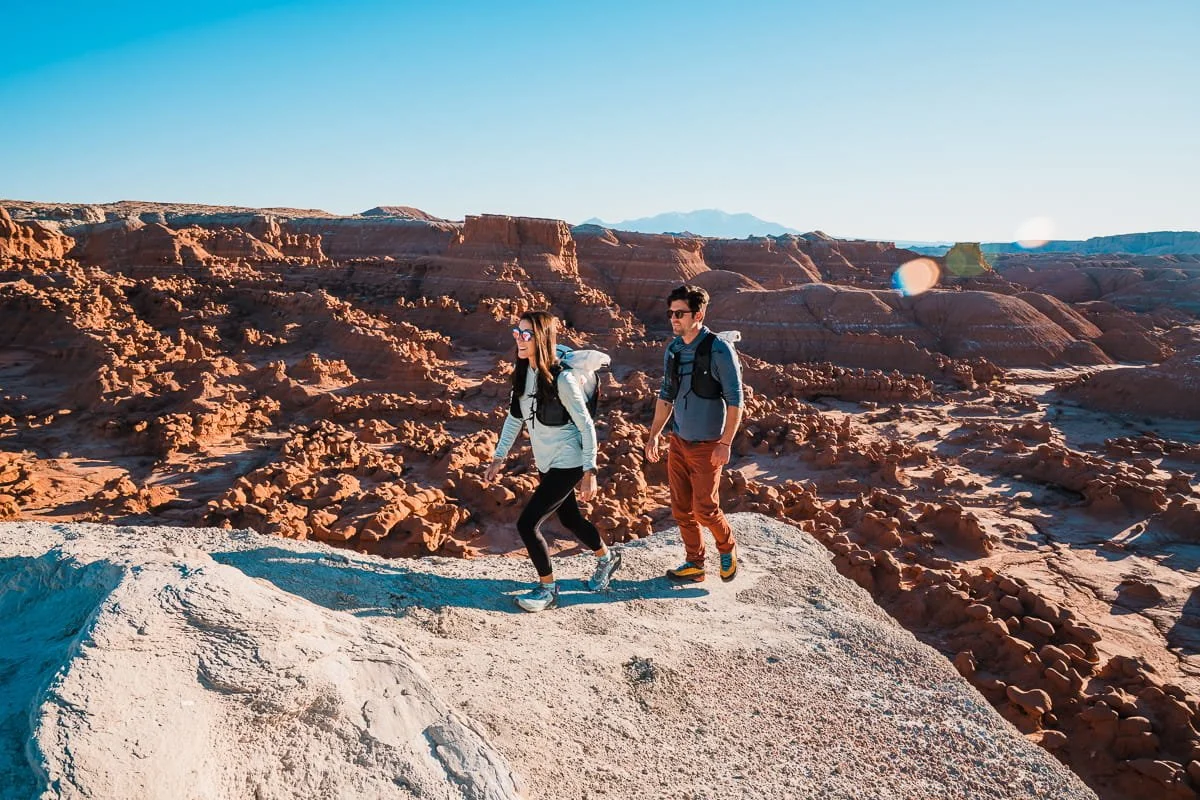
Hiking through the hoodoos in Goblin Valley State Park, Utah
Day Hike Gear List: What We Bring Beyond the 10 Essentials
Now that we’ve covered the Ten Essentials, it’s time to round out your day hike packing list with the gear we actually bring on the trail.
These items aren’t critical for survival, but they make your hike safer, more comfortable, and just more enjoyable. From backpacks and trekking poles to small comfort and convenience items, this section covers the extras that help every day hike run smoothly.
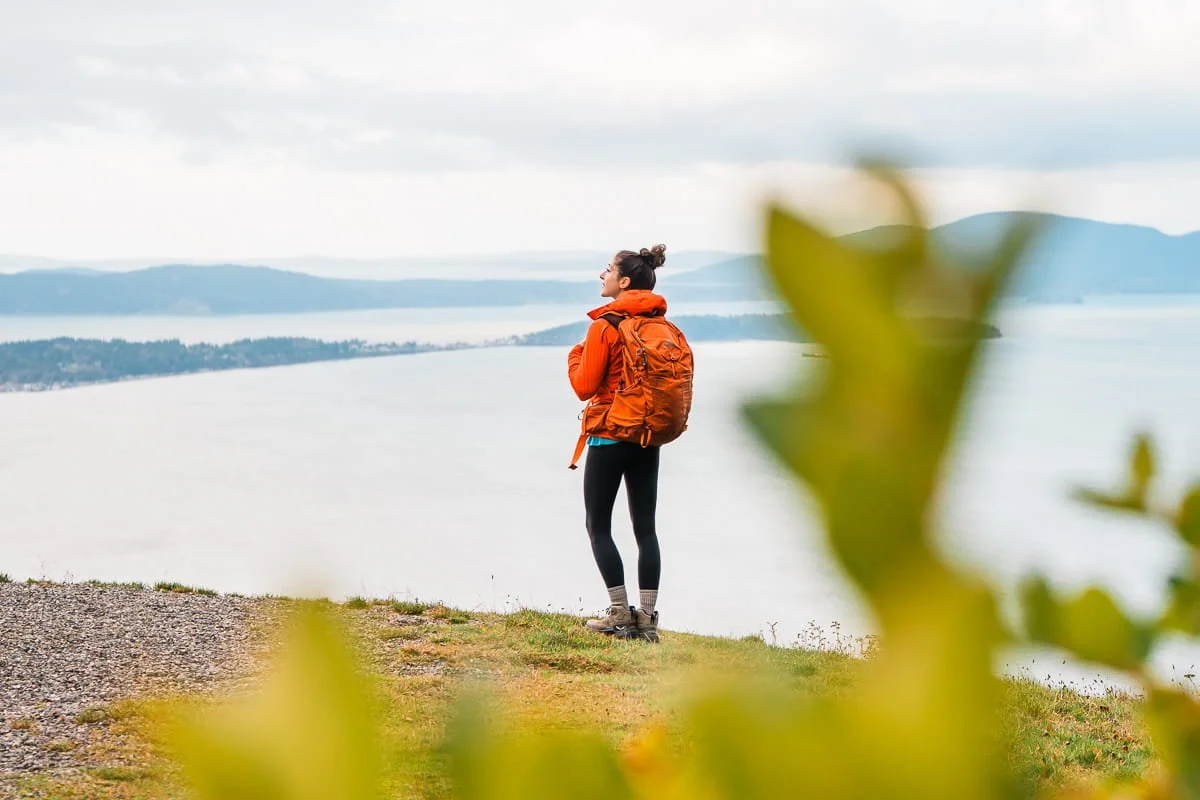
Skye with her day hiking pack at Oyster Dome in Bellingham, Washington
Day Hiking Backpacks: Choosing the Right Pack (15–35L)
A well-fitting day hiking backpack is one of the most important pieces of gear you’ll carry. Since you’ll be wearing it for miles, comfort and fit are crucial. Most day packs range from 15L to 35L; smaller packs for short, minimal hikes, and larger packs for long days or extra gear. Over the years, we’ve tested packs from multiple brands and learned that breathable back panels, adjustable straps, and easy-access pockets make a noticeable difference on longer trails.
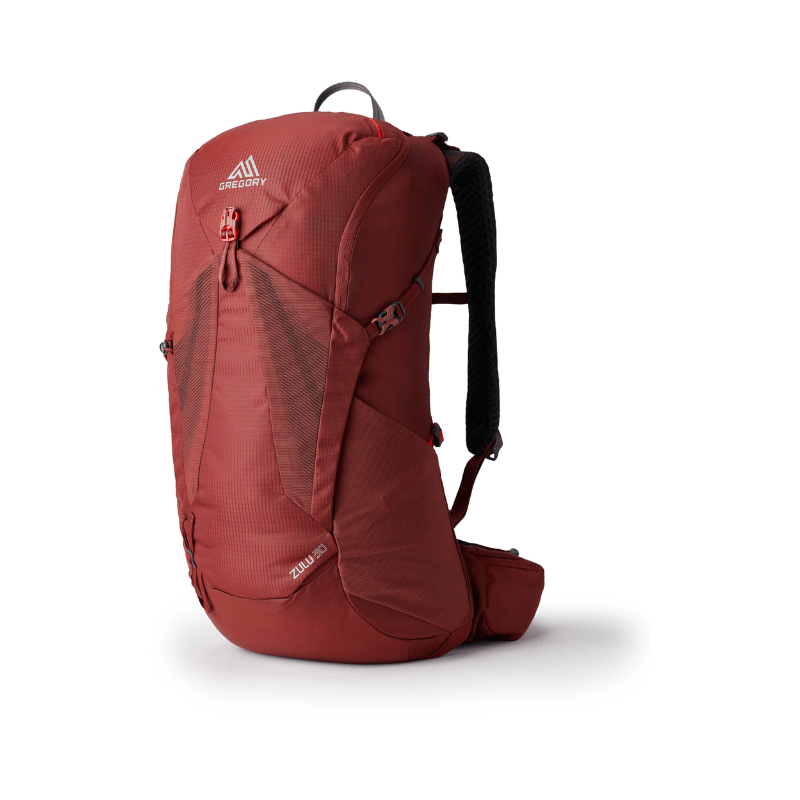
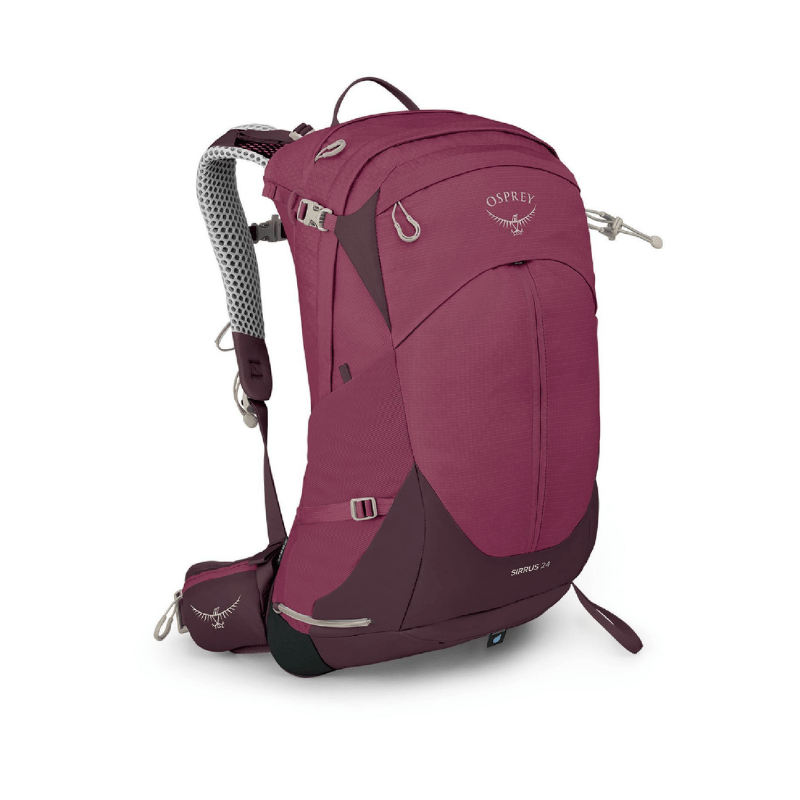
If you’re looking to get your first day pack, you can’t go wrong with trusted brands like Gregory (Juno 30 or Zulu 30) or Osprey (Sirrus 24 or Statos 24) for your first pack. They are sturdy, have good support and are heavy on features.
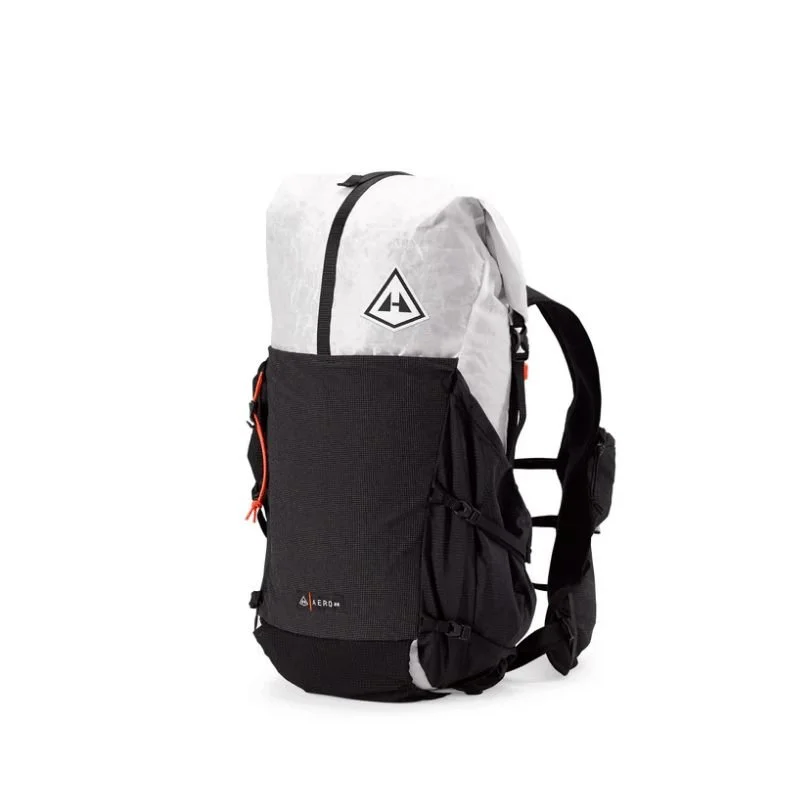
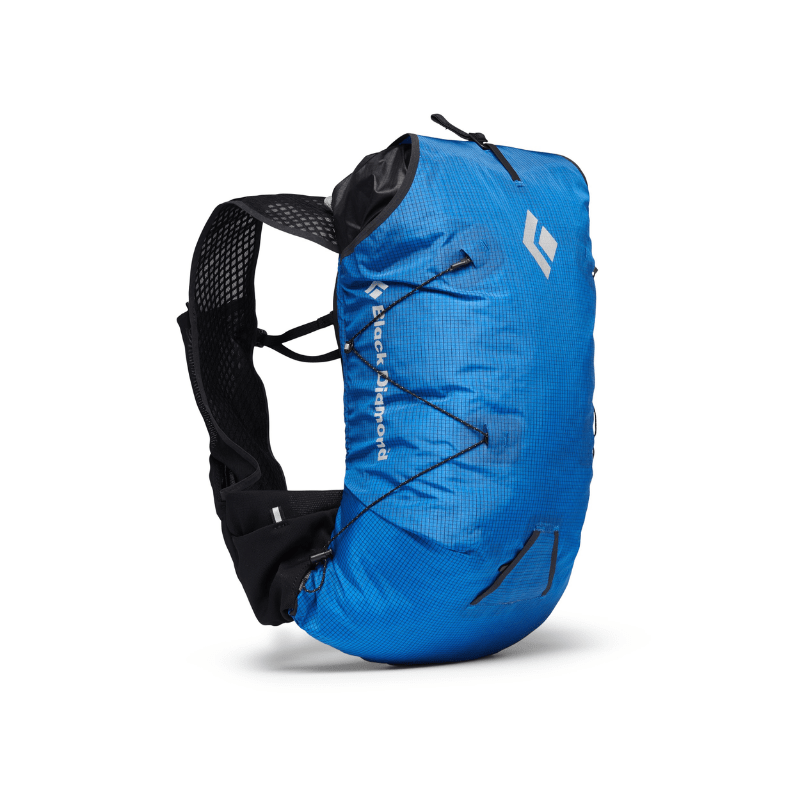
We also love having quick access to snacks, phones, sunglasses, and other essentials without stopping. That's why we're fans of packs like the Hyperlite Aero 28 and Black Diamond Distance 15, both featuring vest style shoulder straps with pockets. The Hyperlite Aero 28 offers more pocket options and storage overall, while the Distance 15 is ideal for hikers and trail runners who want a snug, comfortable fit that moves with their body.
Hiking Toilet Kit & Leave No Trace Bathroom Gear
Not all trailheads have bathrooms, and even when they do, nature doesn’t always cooperate. A compact hiking toilet kit keeps you prepared while following Leave No Trace principles.
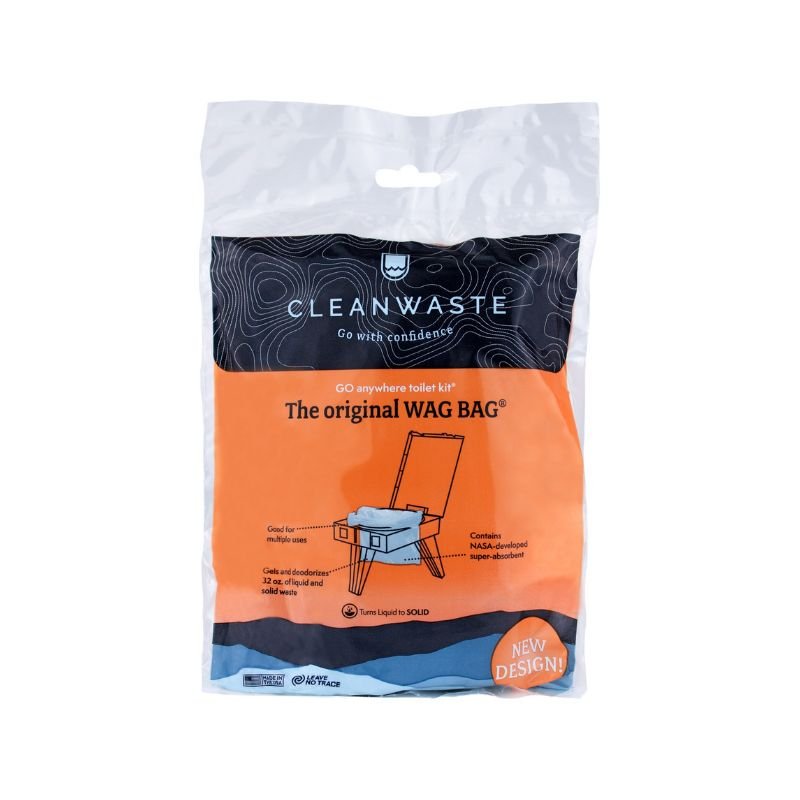
Wag Bags - These all-in-one come with a bag, small amount of TP and a sanitizing wipe. Easy to carry and use in an emergency. Always pack out all your waste and throw it out in a trash bin when you’re done.
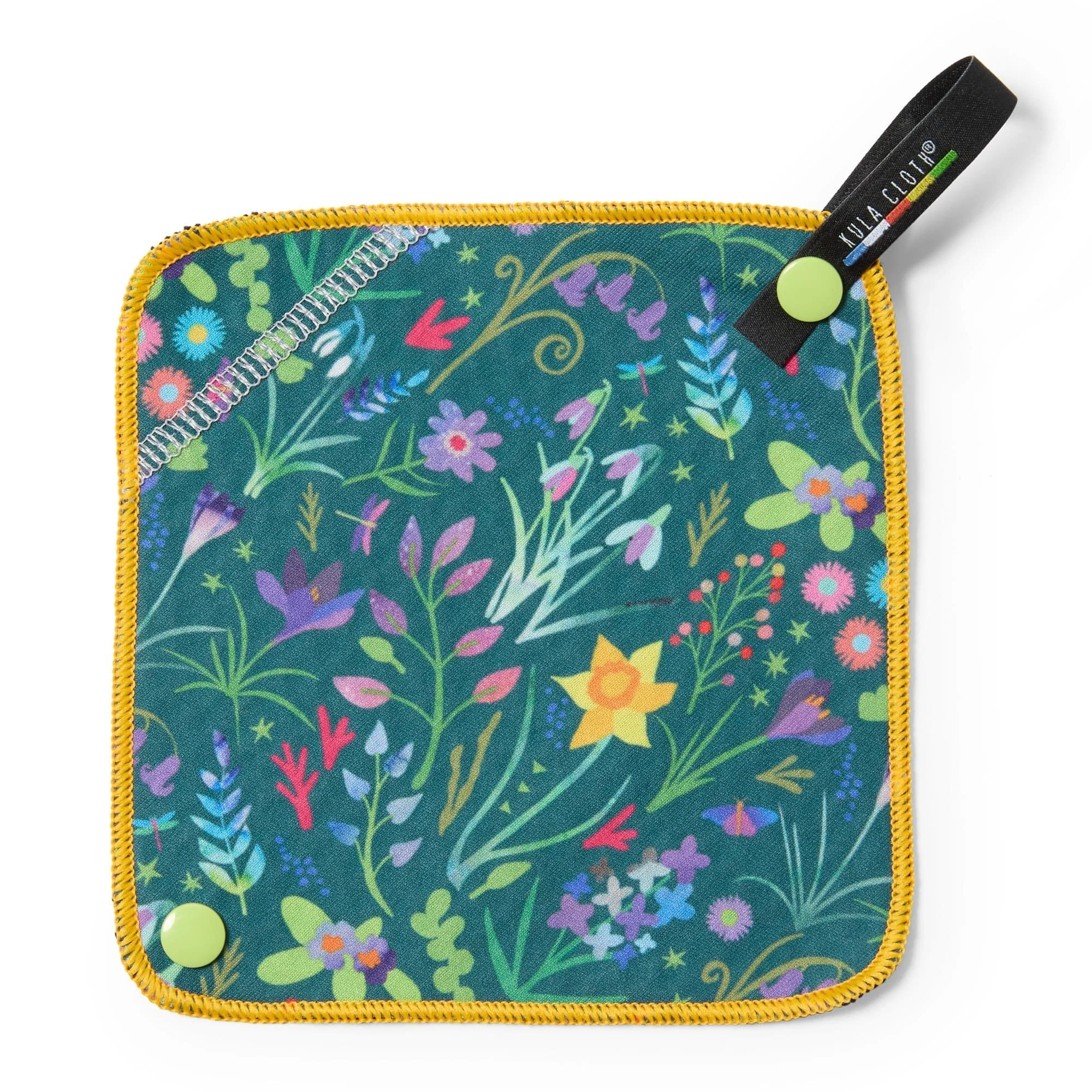
Kula Cloth - Reusable pee cloth for women that attaches to the outside of your pack. They are a very popular and a waste free way to go pee in the outdoors.
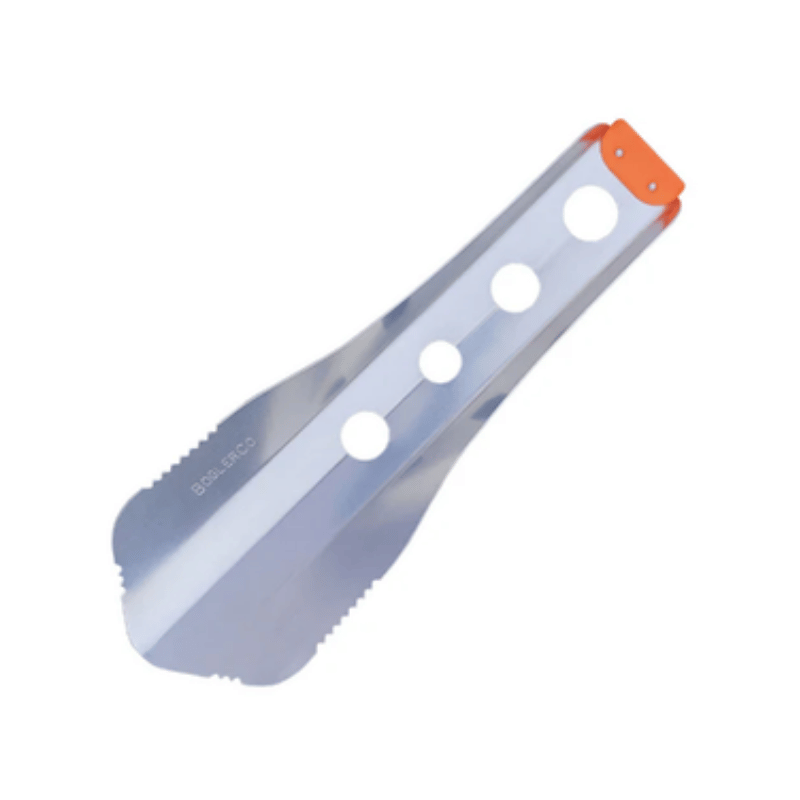
Trowel - Digging a hole and burying your business is still a popular way but not always possible on popular day hiking trails due to lack of soil or privacy.
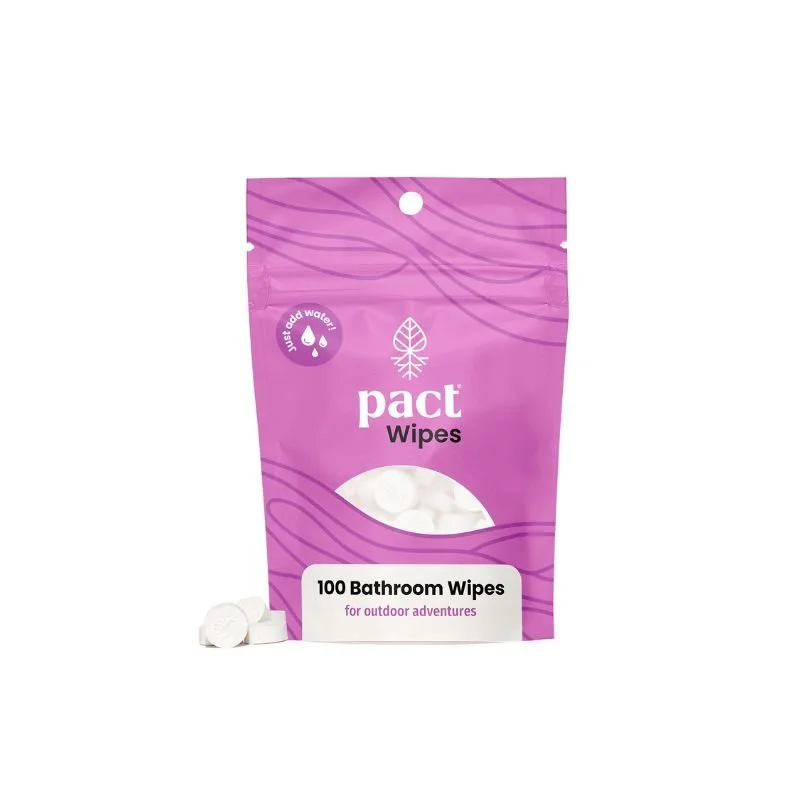
Bathroom Wipes - We love these compact wipes to put into our small bathroom kit. Just rehydrate with water and pack it out in a ziplock bag.
Hand Sanitizer - Any alcohol based sanitizer will do. We add a small bottle to our kit to sanitize post visit to the facili-tree.
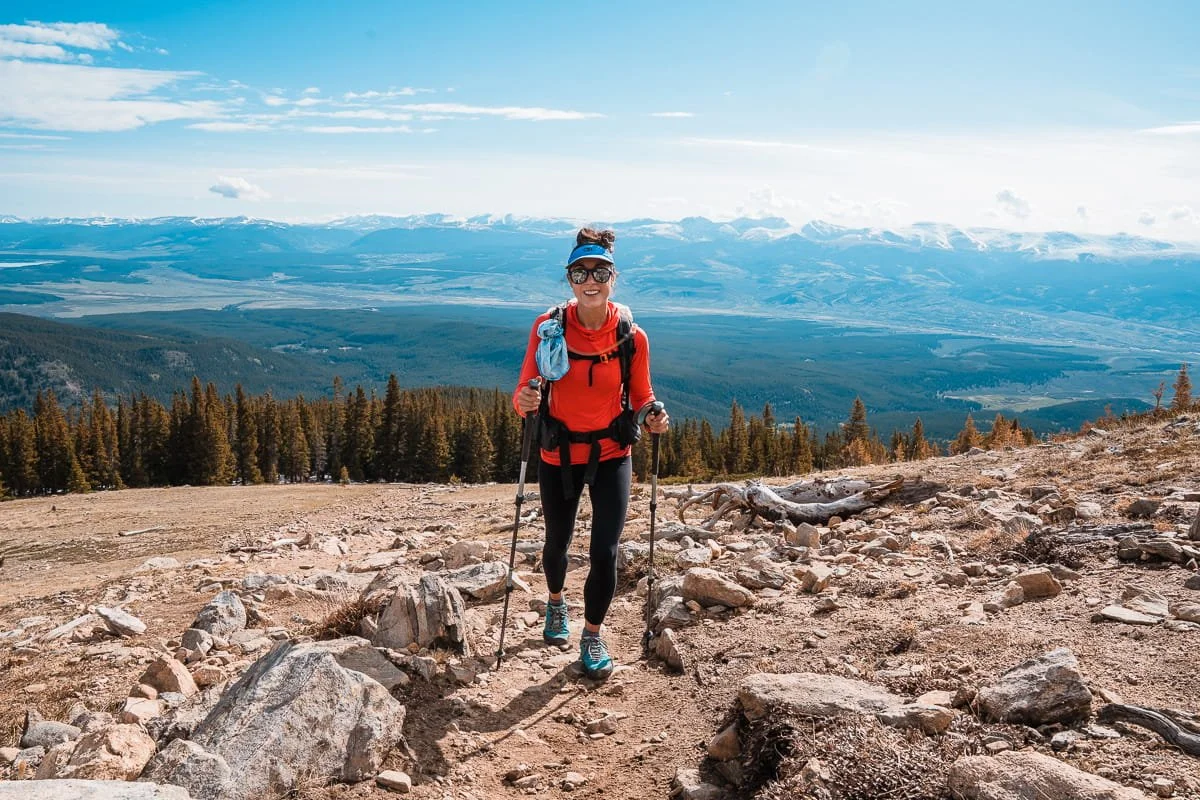
Hiking Mount Elbert, Colorado’s tallest 14er
Trekking Poles for Stability, Balance, and Comfort
Trekking poles help hikers of all ages maintain balance on uneven terrain, reduce knee impact during descents, and assist with uphill climbs. They’re also handy for clearing low-hanging branches or spider webs. Adjustable-length poles that collapse or fold in a Z-shape are easiest to pack when not in use.
We recommend adjustable length poles that either collapsable (REI Trail Made) or fold in a Z-shape (Black Diamond Distance).
Buffs & Neck Gaiters for Sun, Wind, and Sweat
A lightweight buff or neck gaiter is one of the most versatile pieces of day hiking gear. Use it for sun and wind protection, as a headband, sweat rag, scarf, or even a sleep mask during alpine starts. It’s compact, lightweight, and always earns a spot in our pack.
A Lightweight Sit Pad for Trail Comfort
A small foam sit pad keeps you dry, warm, and comfortable during lunch breaks or summit rests. Compact, lightweight, and inexpensive, it’s a simple comfort upgrade that quickly becomes a trail essential.
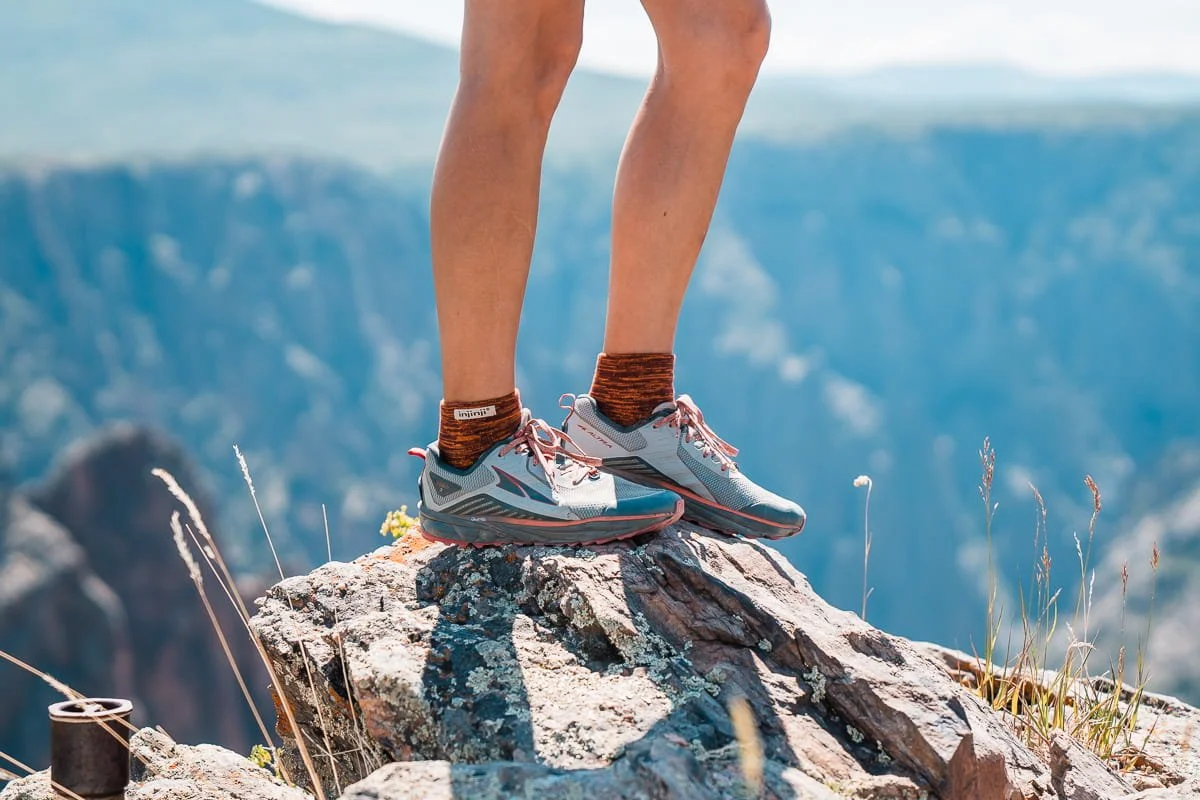
Altra Timp trail runners with Injinji Socks on a hike in Colorado
Hiking Footwear: Trail Runners vs. Hiking Boots for Day Hikes
Choosing the right hiking footwear is one of the first decisions every day hiker or backpacker makes. Deciding between trail runners and hiking boots comes down to foot shape, ankle strength, pack weight, and trail conditions. The right shoes keep your feet comfortable, protect against blisters, and improve stability on uneven terrain.
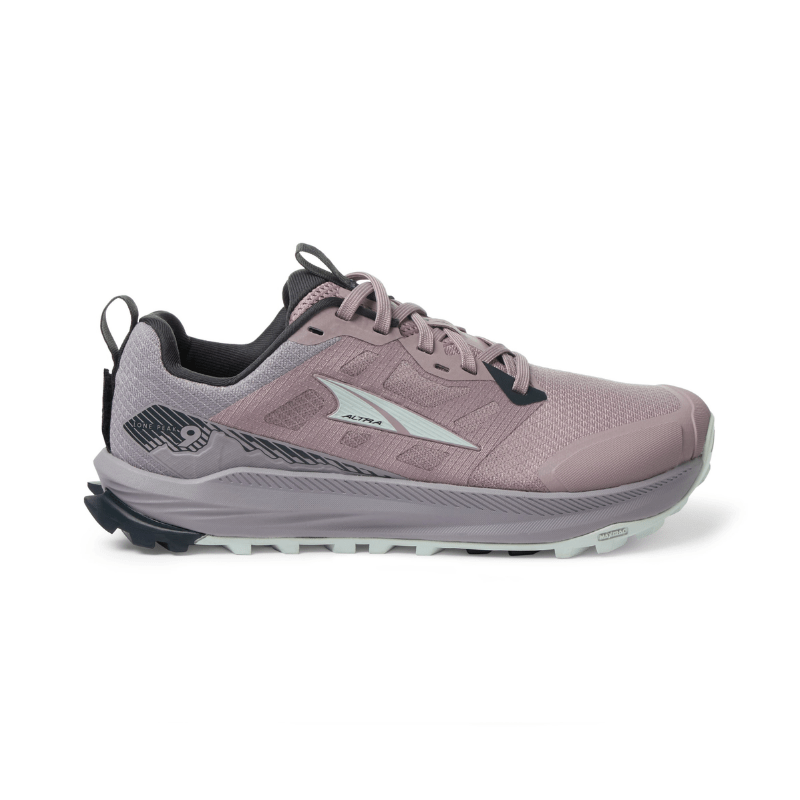
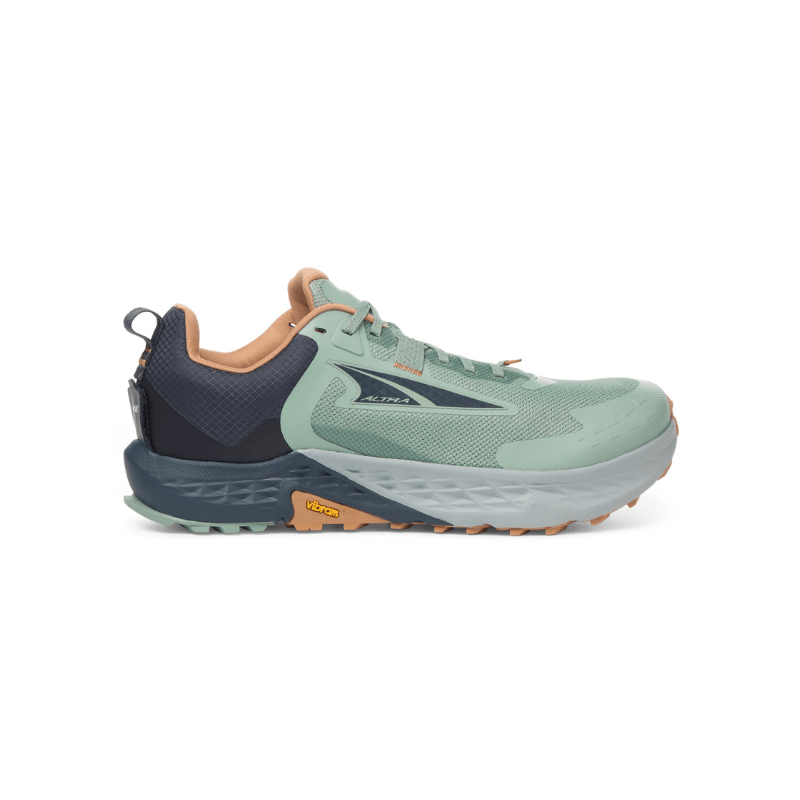
Trail runners excel during dry summer months and high-mileage hikes. They’re significantly lighter than boots, reducing fatigue, and provide excellent breathability to keep your feet cool. We’ve logged hundreds of miles in Altra Lone Peaks (Garrett’s favorite) and Altra Timp (Skye’s favorite) trail runners. With their wide footboxes and durable construction, they’ve helped us avoid toe blisters on long days.
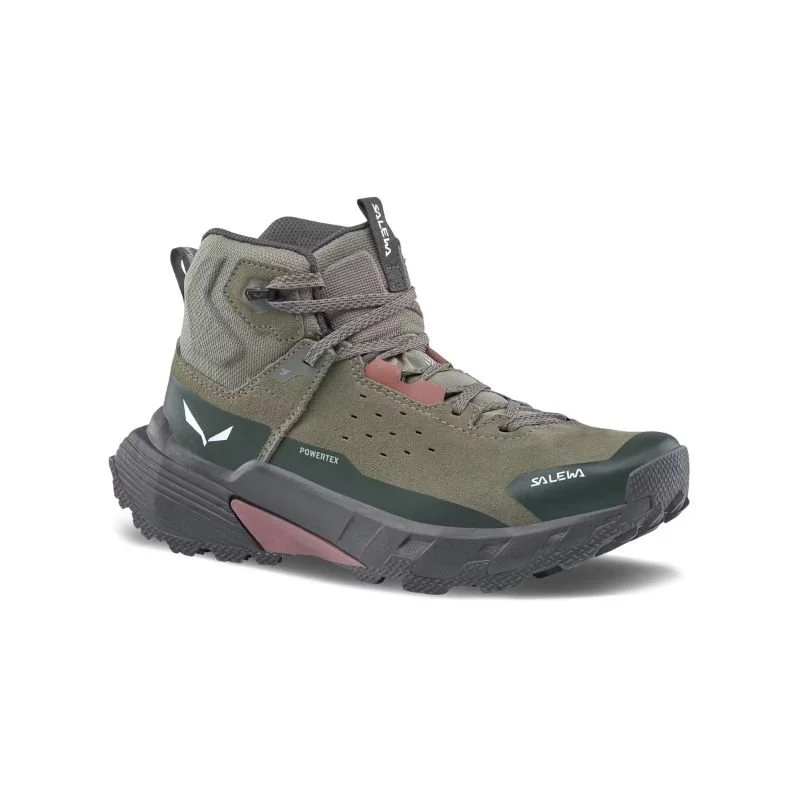
Hiking boots shine in wet, muddy, or snowy conditions, like late fall or early spring. Their waterproofing, ankle support, and robust construction provide stability and protection when trails get slippery. We’ve been loving the Salewa Pedroc 2 Leather Mid Boot for comfort, weight, and durability. A good rule of thumb: choose trail runners for dry, long-distance hikes, and boots when conditions are wet, cold, or when carrying a heavier pack.
Approach shoes are another footwear option for hikers tackling rocky terrain, boulder fields, or slick sandstone in desert environments. They have a firmer sole and grippier rubber than trail runners or standard hiking boots, making them ideal for short scrambles and technical footing. We often reach for approach shoes when trails require extra traction or when hiking over uneven, polished rock surfaces where stability is key. Our favorites are La Sportiva TX4s and Skye really likes her TX2s as well. We mainly wear them for approaches to rock climbs, but do wear them on a lot of hikes in the desert as well. We even wore our TX4 Evo Approach Shoes as our wedding shoes at our climbing elopement.
Hiking Socks & Blister Prevention
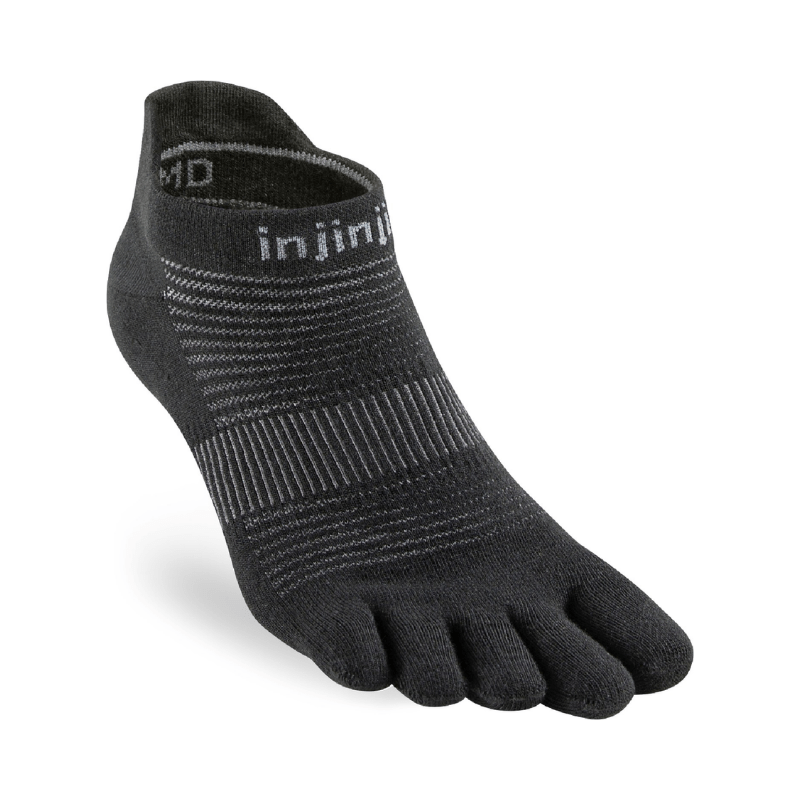
High-quality hiking socks are just as important as your shoes. Look for socks with heel padding and moisture-wicking materials. We particularly like Injinji toe socks, they may seem unusual at first, but they’ve completely eliminated toe blisters for us by preventing sweat and dirt from rubbing between toes. If you’re wearing hiking boots, we really like to do an Injinji liner sock and then a wool boot sock to help prevent rubbing.
For hotspot protection, we prefer Leukotape K over traditional moleskin. It’s stretchy, form-fitting, and flexible, making it ideal for covering areas prone to friction while hiking.
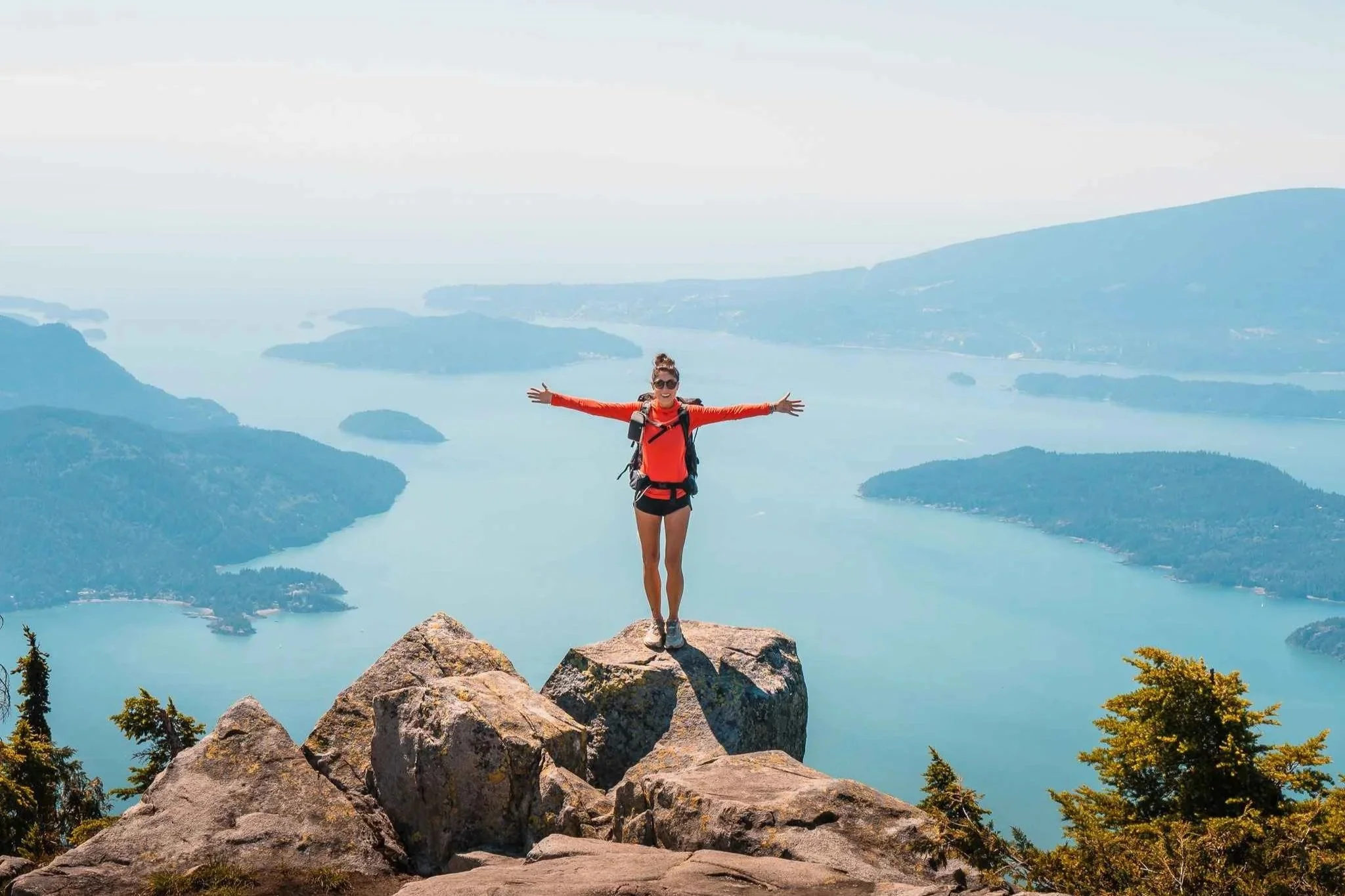
Hiking the Howe Sound Crest Trail in Vancouver, BC
What to Wear on a Day Hike
Choosing the right clothing for a day hike can make the difference between a fun, comfortable adventure and an uncomfortable slog. Your outfit depends on factors like weather, terrain, season, and personal preference, but some fundamental principles apply to nearly every hike.
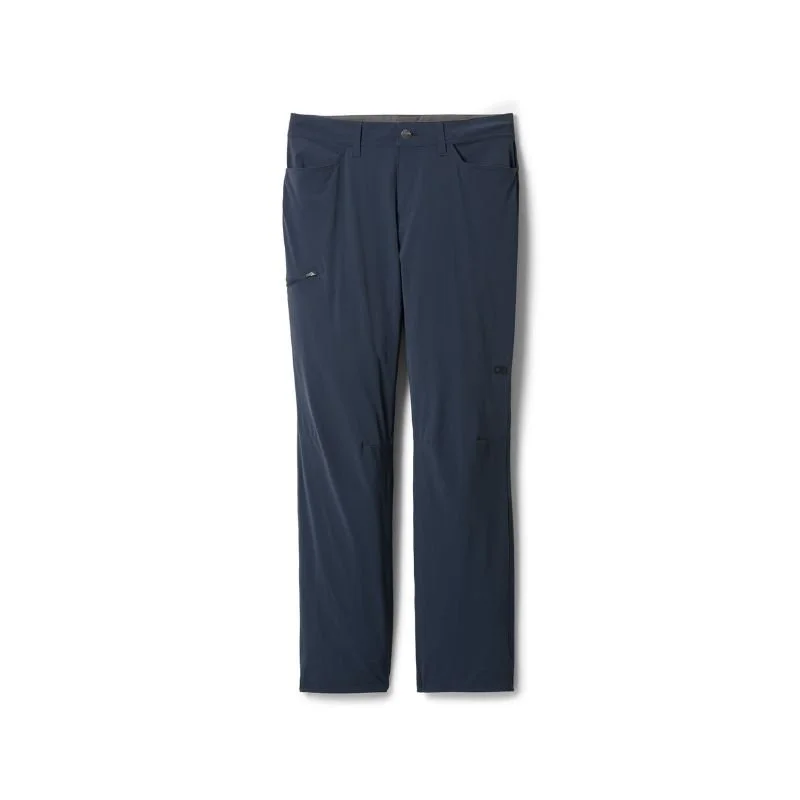
Layering is key: for spring and summer hiking, we opt for sun hoodies that are breathable, insulating mid-layers for cooler days or to put on at your destination, and a protective outer layer help you adapt to changing conditions on the trail. Don’t forget sun protection and moisture-wicking fabrics to stay comfortable in warm weather.
For a deep dive into hiking clothing, including sun hoodies, fleece mid-layers, and season-specific recommendations, check out our other detailed guides:

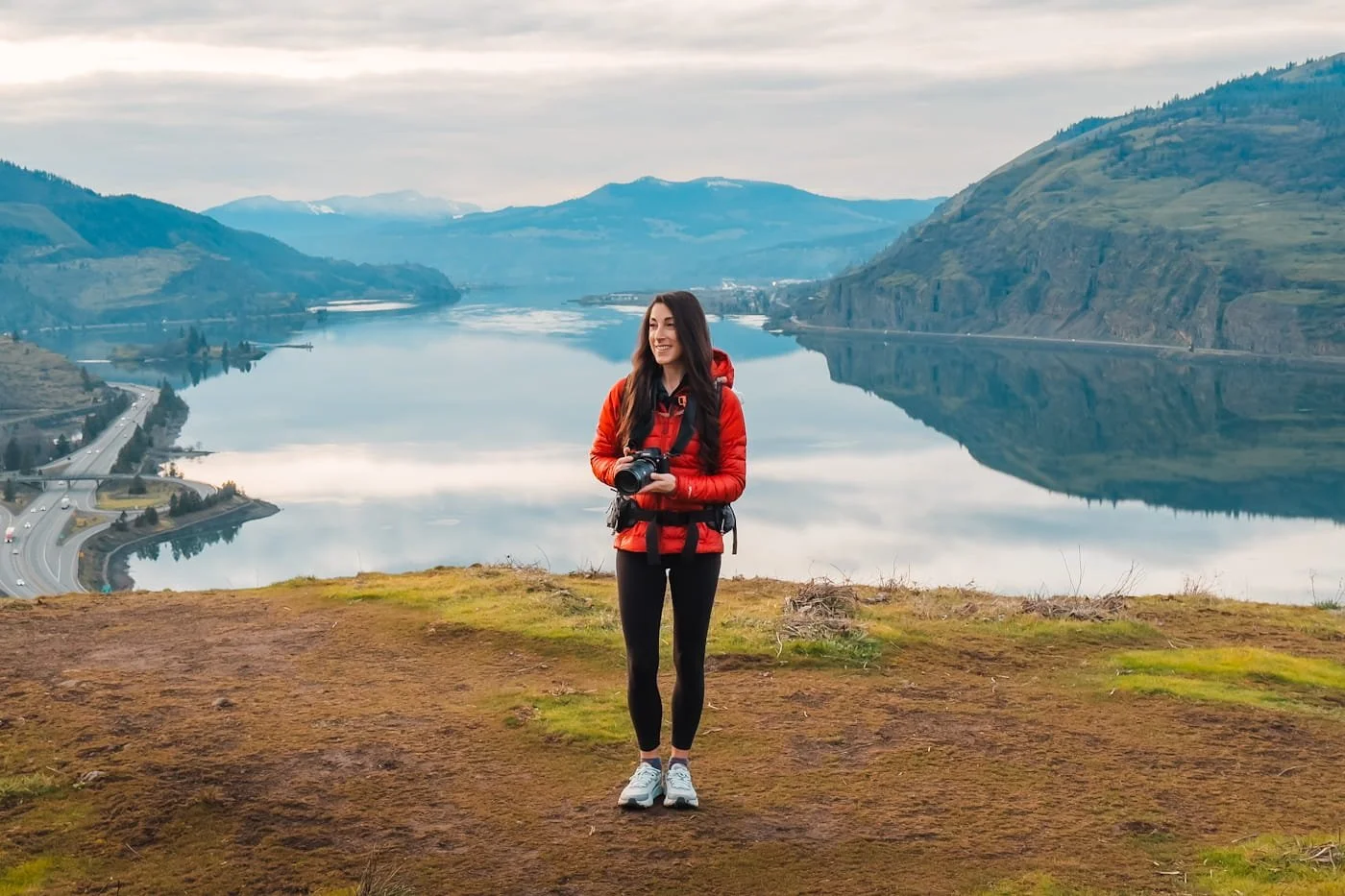
Hiking and photographing the Mosier Plateau Trail in the Columbia River Gorge, Oregon
Camera Gear to Bring on Day Hikes
We always bring a camera on day hikes to capture the views, wildlife, and trail moments that make each adventure memorable. This is not necessary at all and does add weight to your pack, but it’s essential for us so we wanted to include some camera gear in this packing list. For photography we use a Sony a7iv with a 24-70mm f2.8 GM lens, and also sometimes a wide angle lens as well for big landscapes. If we want to get a few special shots, like long exposures at a waterfall or group photos, we’ll bring an ultralight tripod, light enough to carry without slowing us down.
Even on short hikes, having a camera helps us document the trail, practice photography, and share tips with other hikers. Whether you’re capturing sweeping vistas or close-ups of wildflowers, packing the right camera gear can make your day hike memories last long after you leave the trail.
Here’s the gear we shoot with & pack on hikes:
Camera body - Sony a7iv (there is a new version out now, the a7v)
Main lens - Sony 24-70mm f2.8 GM or GM II (newest and lightest version)
Wide angle lens - Sony FE 16-25mm f/2.8 G
Beginner camera body - Sony a6700, a small and light cropped sensor camera body that takes interchangeable lenses and is great to learn on. This was Skye’s second camera and we still use it sometimes on backpacking trips that are 8+ days long when weight matters a lot.
Camera Pod - Hyperlite camera pod in large (fits the above camera with 24-70 lens perfectly), can attach to the outside of your pack or keep your camera padded on the inside.
Camera strap - Peak Design Slide Lite Strap
Capture Clip - Peak Design Capture Clip for attaching your camera to your pack shoulder strap for easy use while hiking.
UL Tripod - Peak Design Travel Tripod, carbon fiber
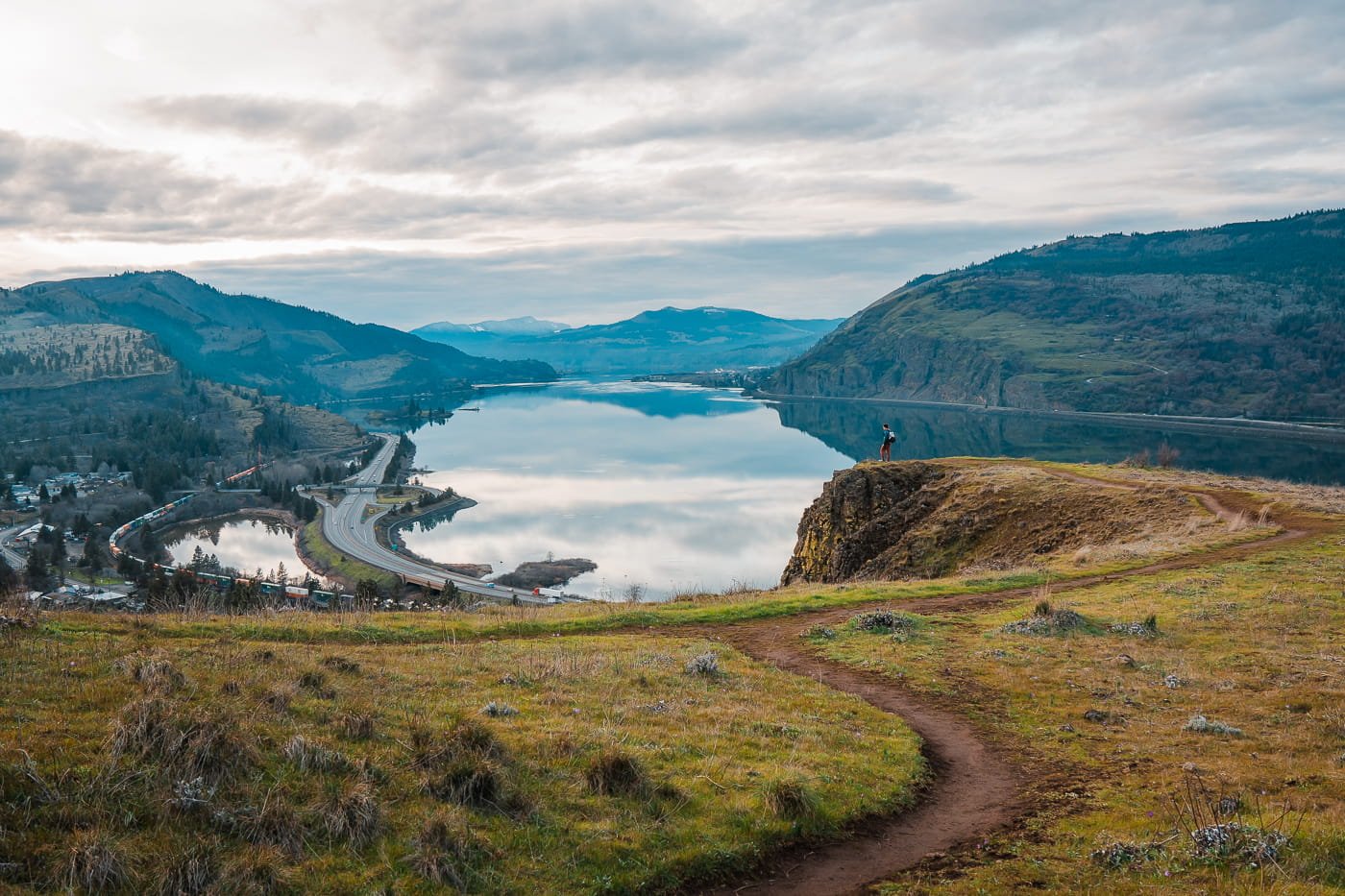
Hiking the Mosier Plateau Trail near Hood River, Oregon
Day Hiking FAQ: Gear, Clothing, and Packing Tips
How much water should I bring on a day hike?
Carry at least half a liter (16 oz) of water per hour of hiking, adjusting for temperature, elevation, and personal sweat rate. For most day hikes, two liters is a solid starting point, while longer, hotter, or steeper hikes may require three liters or more. If your route has reliable water sources and you carry a filter, you can refill along the way.
Do I really need all of the Ten Essentials on a short hike?
The Ten Essentials are a safety framework, not a strict checklist. For a short, well-traveled trail on a sunny day, you might only need navigation (gpx track downloaded to your phone), water, snacks, sunscreen, and a basic first aid kit. As trails get longer, more remote, or weather becomes unpredictable, carry more of the system. Ask yourself: “If something goes wrong, do I have what I need to stay safe?”
How big of a daypack do I need for hiking?
Most day hikes are fine with a 20–30 liter pack, enough for the Ten Essentials, snacks, extra layers, and a few comfort items. Shorter hikes may only require 15–20 liters, while anything over 35 liters is usually more than necessary for a day hike.
Can I use my regular athletic clothes for hiking, or do I need special hiking gear?
Regular athletic wear is fine to start, especially moisture-wicking synthetics or merino wool. Avoid cotton, which traps moisture and can cause chafing. Hiking-specific clothes offer durability, reinforced areas, and extra pockets, but your existing athletic gear works well for your first hikes. Upgrade as you discover which features matter most to you.
Should beginners bring trekking poles?
Yes! We’re a huge fan of poles and bring them on all our hikes. Trekking poles improve balance, reduce knee impact on descents, and help maintain rhythm on climbs. They can also test water depth or move aside brush. Beginners often worry about looking out of place, but poles make hiking easier and more enjoyable. Consider renting or borrowing a pair for your first hikes to see if you like them.
How do I know if my pack fits correctly?
A well-fitted pack distributes weight to your hips, not shoulders. The hip belt should sit on top of your hip bones, and shoulder straps should hug your shoulders without gaps. The pack shouldn’t sway or create pressure points. Many outdoor retailers offer free pack fitting services — take advantage to ensure comfort and proper adjustment.
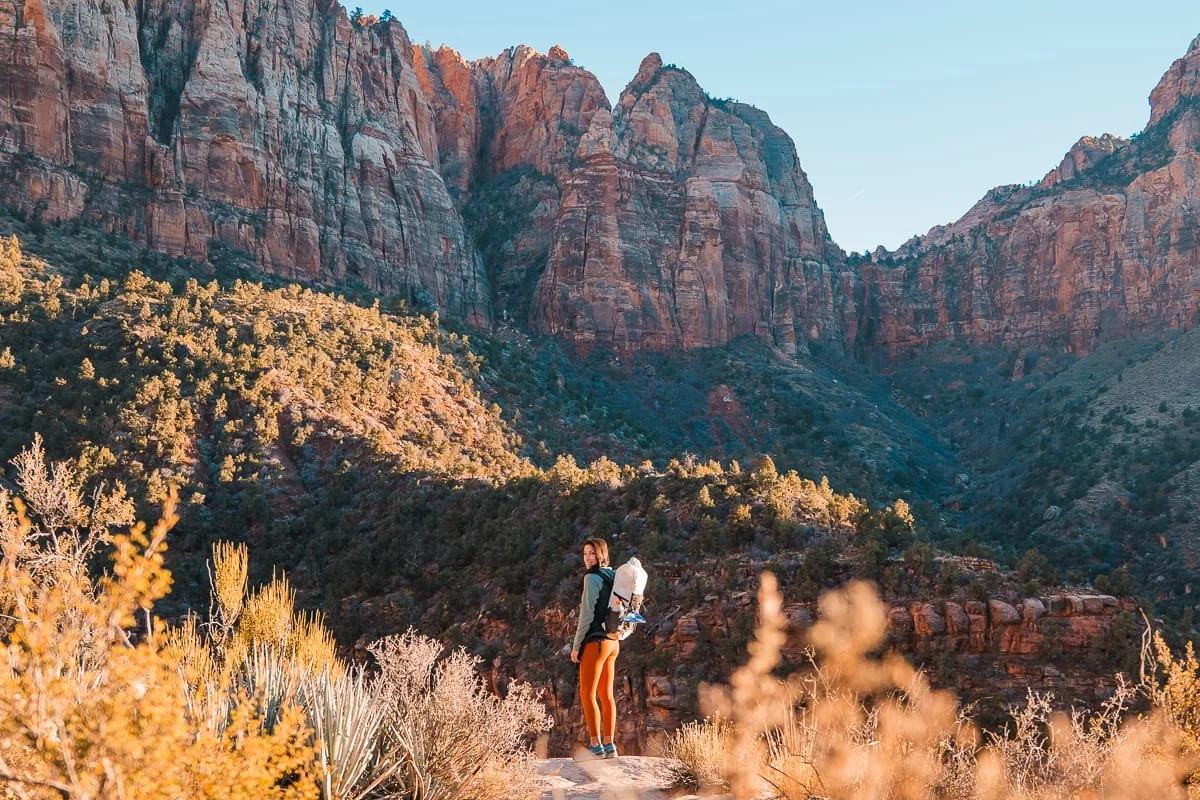
Hiking the Watchman Trail in Zion National Park, Utah
Final Thoughts on Packing for Day Hikes
Getting started with day hiking doesn’t have to be complicated or expensive. Start with what you have, focus on the essentials that will keep you safe, and build your gear collection over time as you learn what works for your hiking style.
Every time you pack, think through the “what ifs”: what if the trail takes longer than expected, the weather changes, or someone gets injured? Packing with intention means you’re prepared to handle challenges while still enjoying your hike.
Remember, the goal isn’t to have the perfect gear setup before your first hike. The items in this guide are our favorites, honed from years on trails around the world. Use them as a starting point, experiment, and discover what kind of hiker you want to be.
The most important part? Get outside, stay safe, and have fun exploring.
Happy trails!
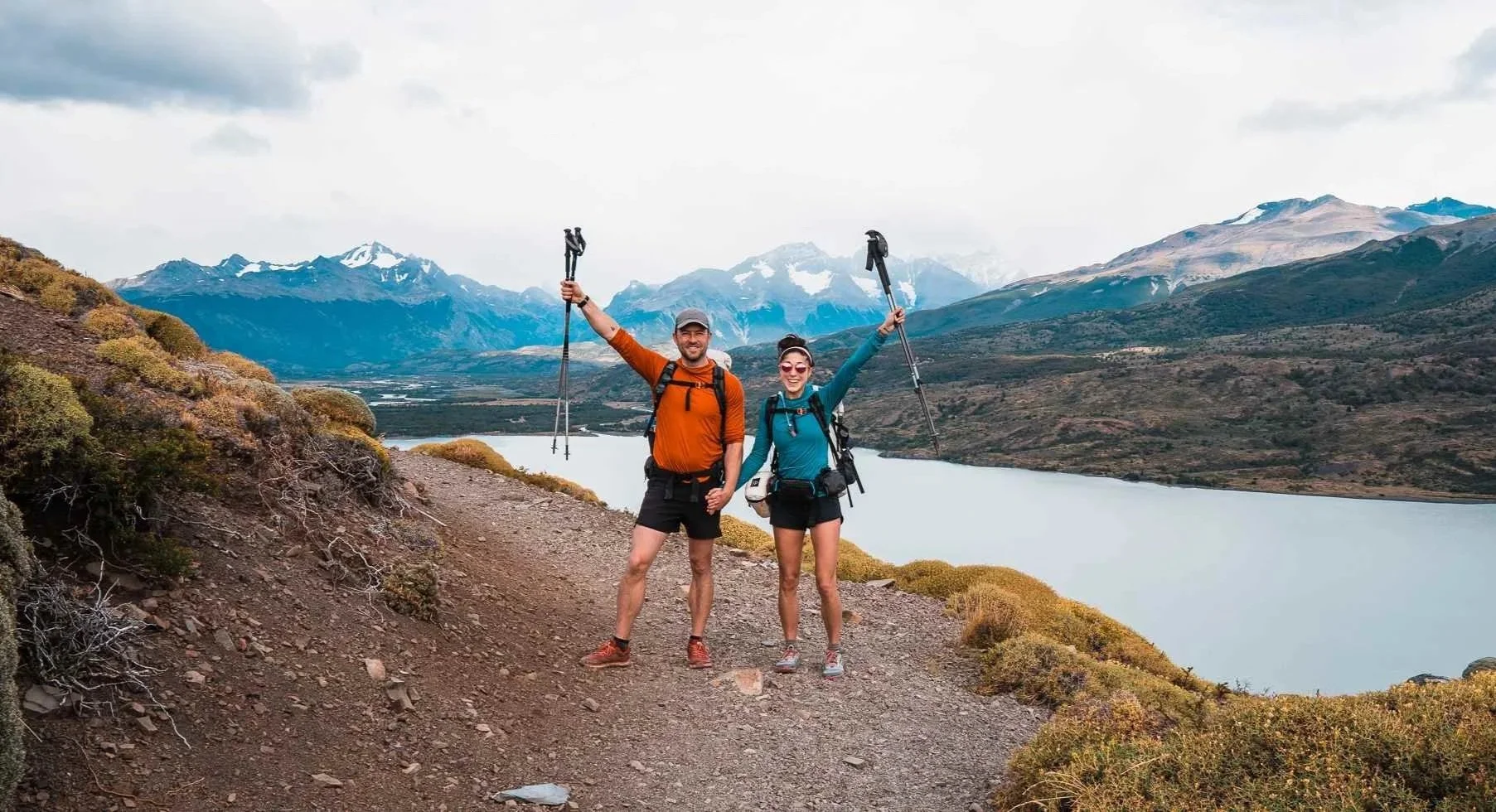
Backpacking the O-Circuit in Torres del Paine National Park in Patagonia
Other Hiking & Gear Guides to Check Out
Hiking the Enchantments in One Day: Everything You Need to Know to Thru-Hike
The Ultimate Guide to Fall and Winter Hiking: Clothing, Gear and Safety Tips
Gear Discount Codes and Links
We’ve partnered with a few of my favorite outdoor brands to hook you up with exclusive discounts on trail-tested gear. These are companies we actually use and love, and when you shop through the links below, you’ll get a deal and help support our blog. Win-win!
20% off SkyGOAT (grid fleece) - Click the link and add code SKYEGOAT to your cart at checkout to get 20% off your order.
15% off LUNA Sandals - Click the link and the discount will be added to your cart automatically.
15% off Stio with code SKYE15 - Click the link and enter the code in your cart.
10% off Will and Bear hats with code SKYESTOURY - Click the link and the discount will be added to your cart automatically.
20% off Wild Deodorant with code SKYESTOURY - Must enter the promo code at checkout to receive discount. They make a deodorant mini that is perfect for backpacking, it’s the size of a lip balm.
10% off Loop Earplugs with code SKYE10 - Enter the promo code at checkout. I use their Dream earplugs for sleeping both backpacking and car camping.
Like this Post? Pin it to Save it for Later

How to Hike the Enchantments in One Day: Complete Thru-Hike Guide (No Permit Needed)
Where to Stay in Leavenworth, Washington: Best Hotels, Cabins, Vacation Rentals & Camping
This image is copyrighted and owned by Skye Stoury Photography and skyestoury.com, if you would like to licence any images on this site, please email us at hello@skyestoury.com