
The Ultimate Guide to Fall and Winter Hiking: Clothing, Gear and Safety Tips
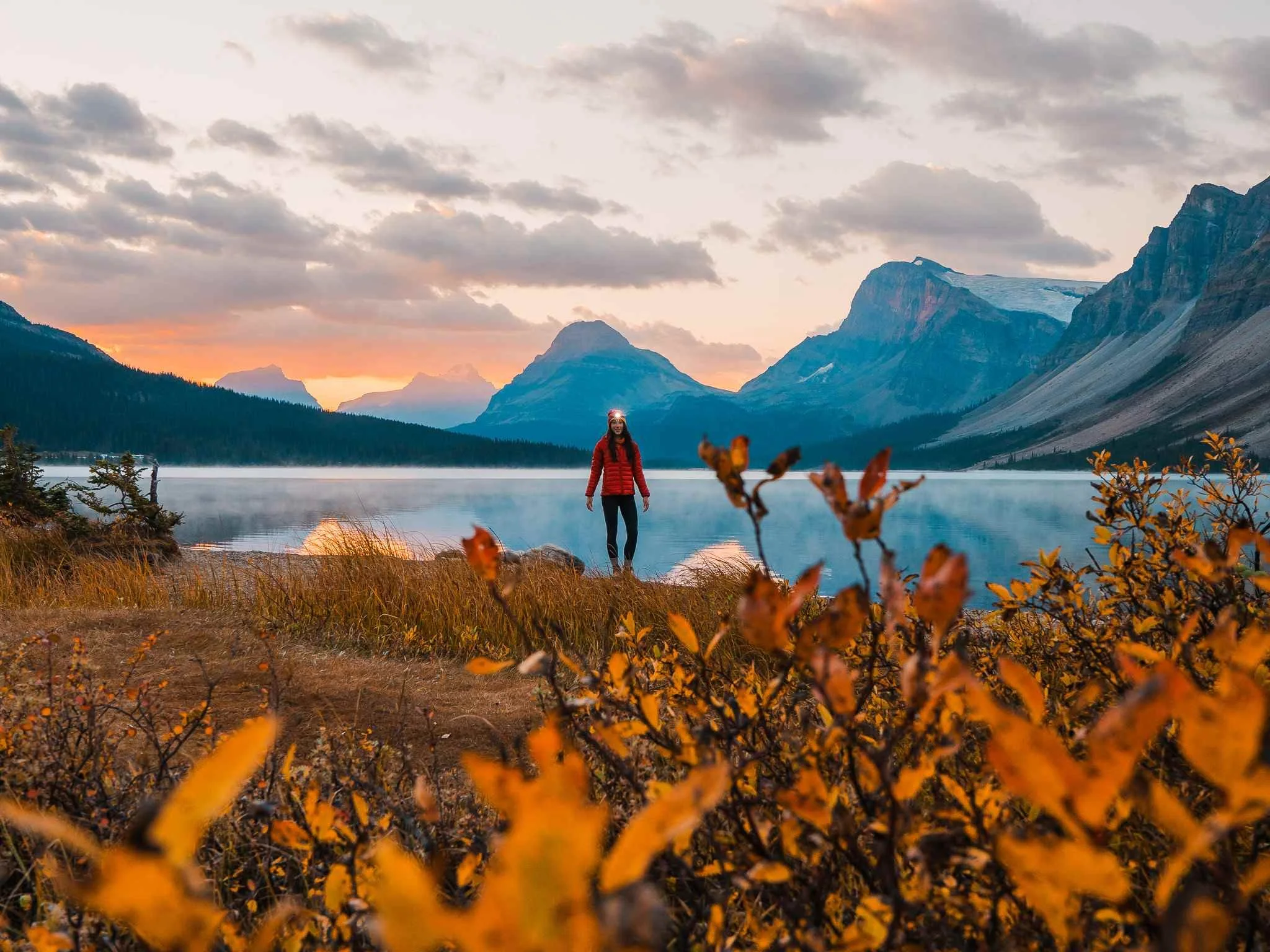
Discover the best fall and winter hiking trails, essential gear, clothing layers, packing tips, and safety advice for exploring cooler-season landscapes with confidence.
Fall and winter bring some of the most magical hiking conditions of the year. Crisp air, vibrant landscapes, and quieter trails make these seasons perfect for exploring the outdoors. But cooler temperatures, unpredictable weather, and shorter daylight hours also mean preparation is key.
Whether you’re tackling a day hike or a multi-day backpacking trip, knowing what to wear, what gear to bring, and how to stay safe can make all the difference. This guide covers everything you need for fall and winter hiking, from clothing layers and essential gear to safety tips, trip planning, and packing checklists.
Disclaimer: This blog post contains affiliate links, meaning I receive a small commission of every purchase made with my links at no additional cost to you. Sometimes there is even a discount code for my readers which I specify next to the links.
Essential Tips and Gear for Hiking in Fall and Winter Conditions
Shoulder-season hiking and winter trails all come with their own challenges. From early snow in the alpine and icy patches of trail, to deep snow where you will need snowshoes, conditions can change day to day. Snow, ice, shorter daylight hours, and chilly wind all affect how you plan your adventure. That’s why wearing the right layers, having the right gear, and packing the ten essentials is so imporant. In the sections ahead, we’ll break down everything you need to hike safely and comfortably, whether you’re enjoying a crisp fall color hike, tackling wet and icy shoulder-season trails, or exploring snow-covered landscapes. Enjoy the outdoors this fall and winter, and don’t let aa little snow stop you from getting outside.
Table of Contents
Why Fall and Winter are Amazing Seasons for Hiking
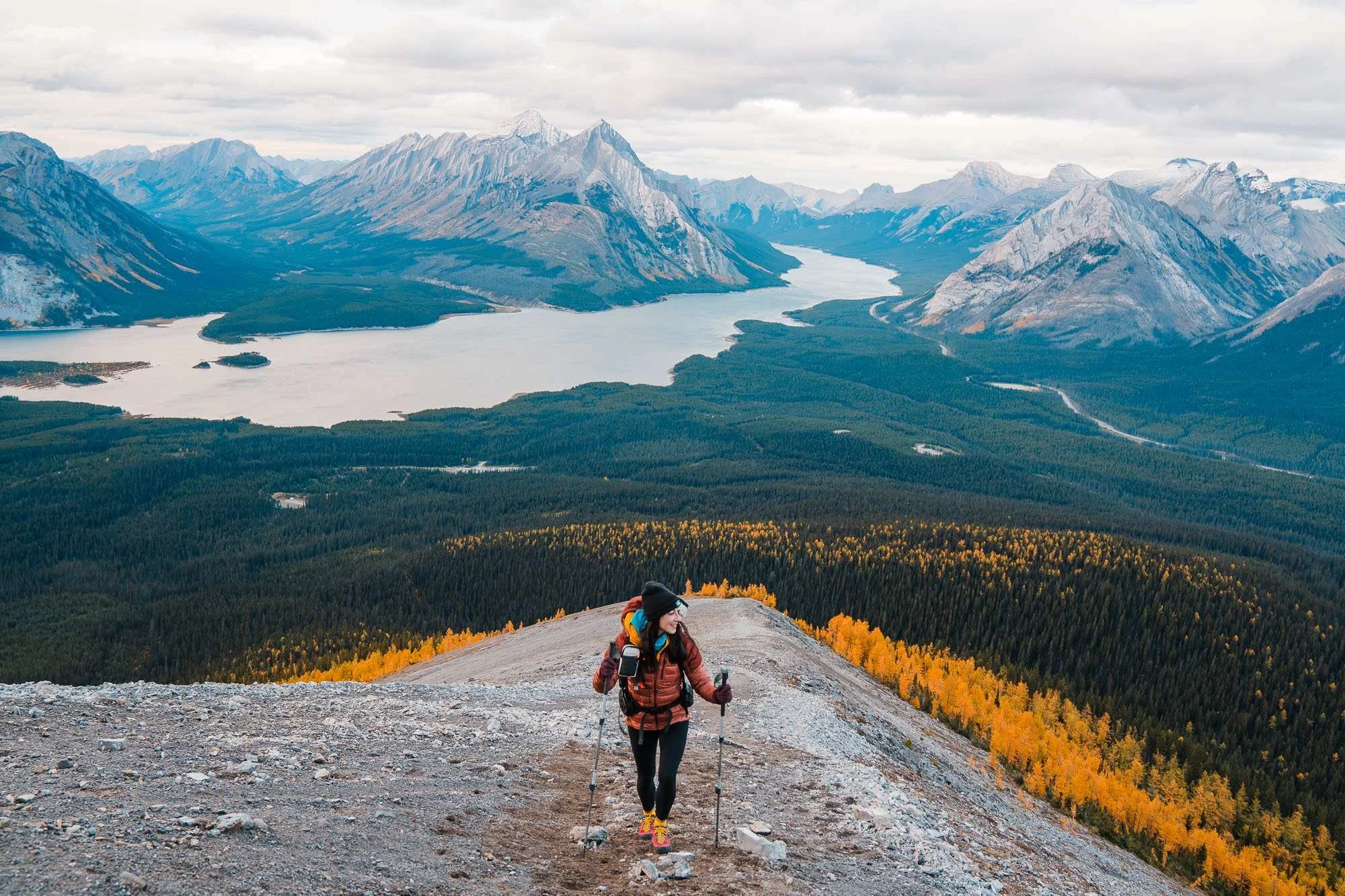
Cool weather hikes hit different, crisp air, quiet trails, and no more worrying about overheating under the summer sun. But fall and winter adventures take a little more planning (and a lot more layers). With shorter days, shifting weather, and chillier temps, having the right cold weather hiking gear makes all the difference. This guide breaks down exactly what to wear and pack for fall and winter hikes and snowshoe trips, from layering basics to winter hiking essentials, so you can stay warm, dry, and ready for whatever the trail throws at you.
Hiking in Cooler Temperatures
Summer heat can make long hikes feel exhausting, fall and winter’s cooler temperatures create ideal conditions for hiking, especially during those crisp mornings and sunny afternoons. You can go further with less risk of overheating, and you won’t have to worry about bugs, or as many people, which makes trail breaks much more pleasant. Just watch for icy patches on the trail, and layer appropriately to stay warm without getting too hot on the move. Even a short hike in these seasons can feel refreshing and energizing when you’re prepared.
Beautiful Fall Colors, Catching the First Snow, and Photogenic Vistas
Few sights compare to the bright colors of fall foliage and larches. Hiking in September, October, or early November means trails are lined with golden aspens, maples, and the best of all, larches. It’s also prime time for wildlife viewing as animals prepare for winter, so keep your eyes peeled for deer, elk, and migrating birds.
If you’re a photographer, plan your hike around golden hour right after sunrise or before sunset for the most dramatic lighting and vibrant colors.
Enjoy Fewer Crowds on Popular Summer Trails
As summer winds down, many busy trailheads become quieter. Fall, and even winter are great times to explore popular national parks, state parks, and heavily trafficked trails without the peak-season chaos. Just remember that parking lots may have reduced services, and some facilities, like bathrooms or visitor centers, may close earlier in the season.
When Snowshoeing Becomes the Best Option
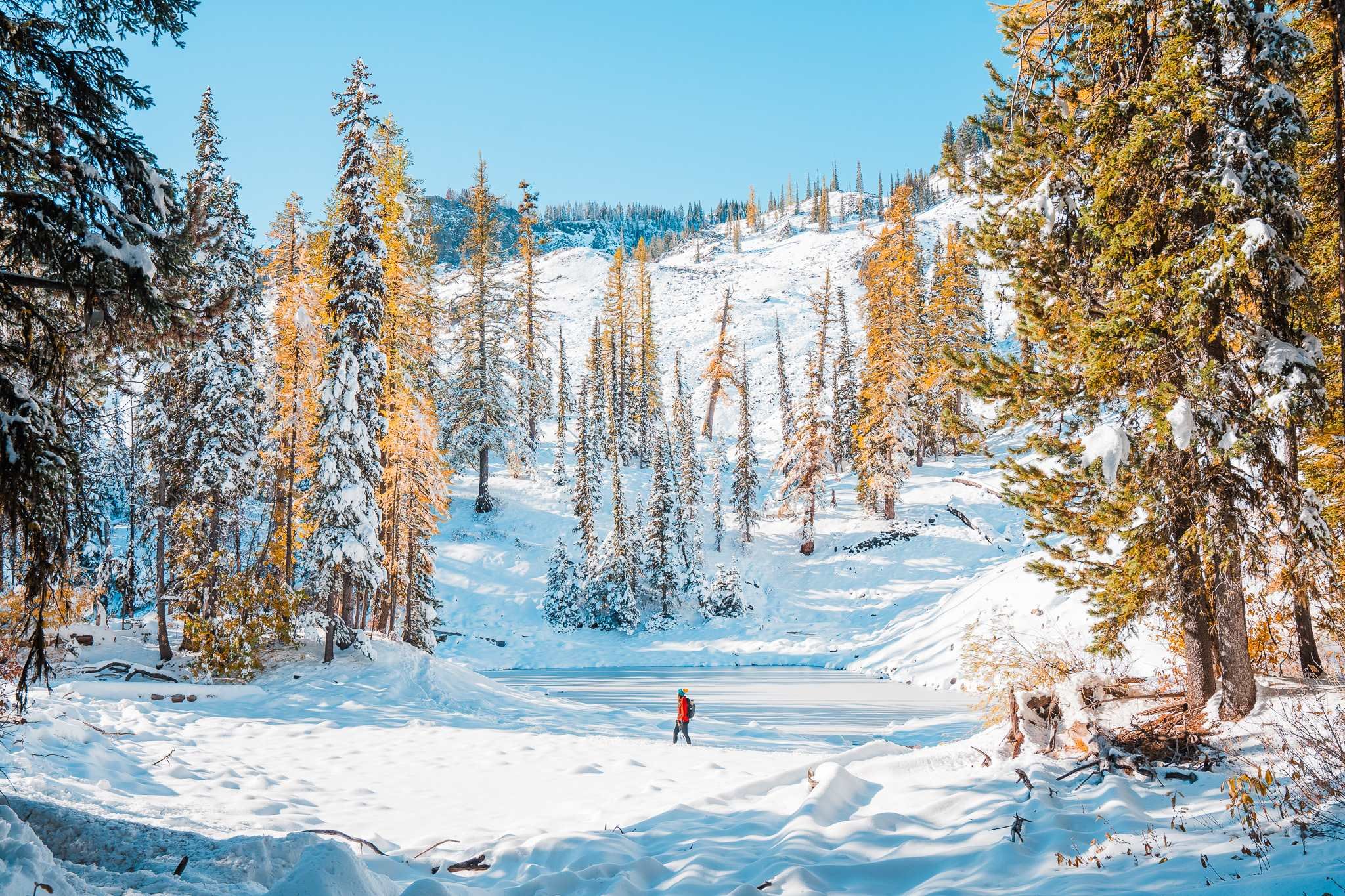
Once the snow starts piling up, traditional hiking can get tricky, or even unsafe on certain trails. That’s when snowshoeing comes in. Snowshoes let you float over deep snow, open up new trails, and make winter landscapes accessible without constantly post-holing in knee or hip deep snow.
If you’ve never snowshoed before, that’s ok! When I first got into winter recreation, I took a snowshoe course through The Mountaineers in Washington State to learn the basics. You don’t need to take a course, but it can be a great way to get out in a group, learn basics about avalanches, and figure out your gear. In general, I recommend beginner snowshoers start on gentle, well-marked snowshoe trails or hiking trails without avalanche risk, and as you gain confidence, longer or steeper trails become an option. You will need a pair of snowshoes, my favorite are the MSR Lightning Ascents and I use them for snowshoe trips and as an assistant AIARE instructor when I am with a snowshoe group. Pair them with the same layering strategies below that you will use for winter hiking, and you’ll be ready to enjoy snowy adventures safely.
Safety Tips for Fall and Winter Hiking
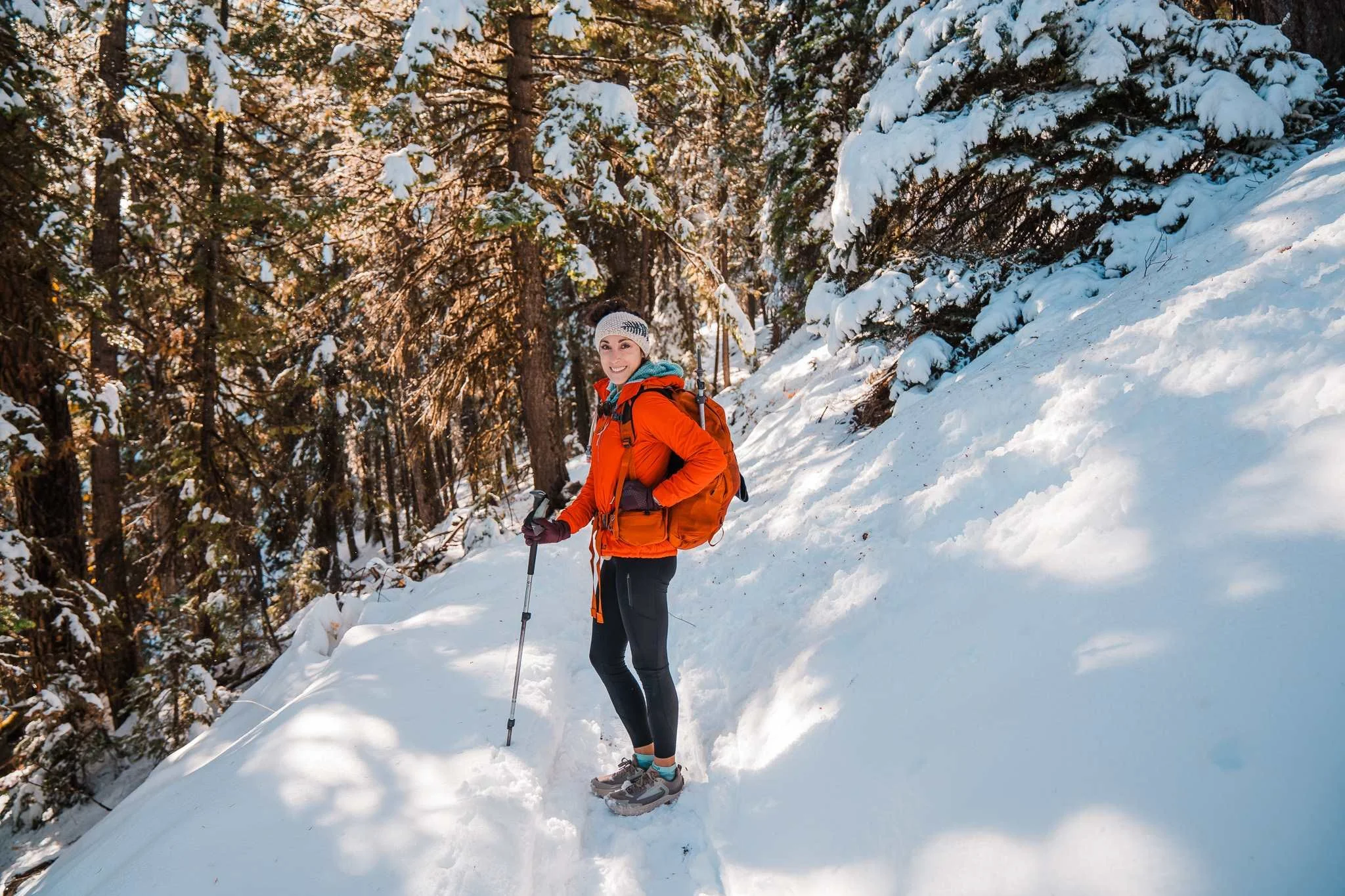
Safety is just as important as your gear, and a lot of safety considerations change when snow is present. Here are key ways to stay protected on fall and winter hikes:
Check Conditions: Always check the forecast for both your trailhead and summit, temperatures and weather can differ dramatically. Look for recent trail reports online for information about mud, snow, or closures.
Start early: Beat the shorter daylight hours by hitting the trail at sunrise.
Know your route: Download maps on Gaia GPS and bring a paper backup with a compass.
Wildlife awareness: When appropriate, carry bear spray and make noise when traveling through dense vegetation.
Stay visible: Wear bright or reflective colors, hunting season overlaps with prime fall hiking.
Leave an itinerary: Tell a friend or family member where you’re going and when you’ll return.
Emergency prep: Pack a first aid kit and be prepared for the weather to change for the worse.
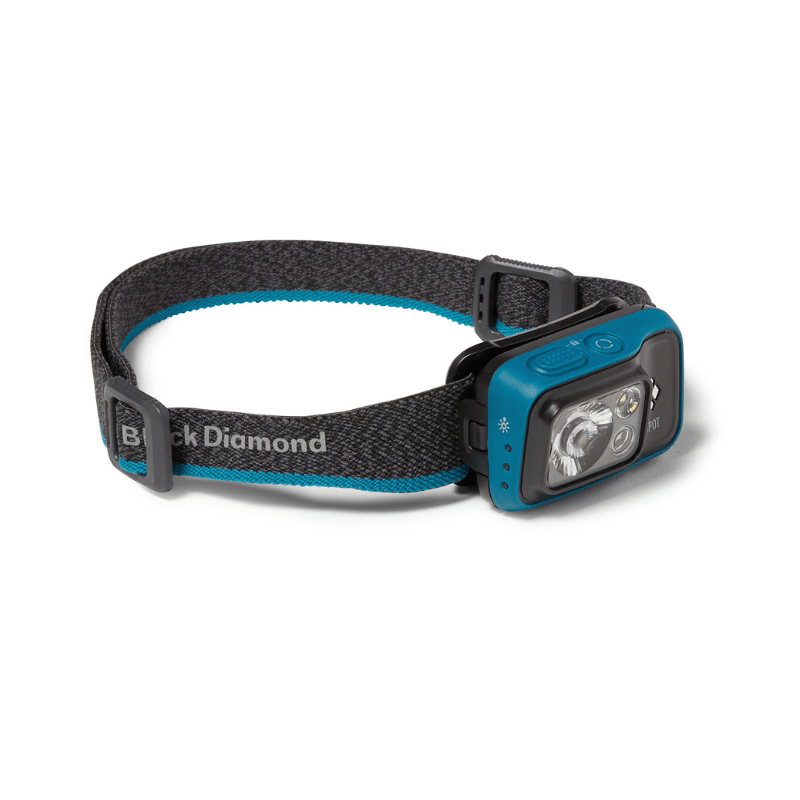
Know when to turn around: If the weather deteriorates, don’t be afraid to turn back. Trails can become dangerously slippery in rain or snow, and visibility drops quickly in fog. Always carry a headlamp with you, and set a turn around time so you don’t end up hiking out in the dark unexpectedly.
Safety Tips for Snowshoeing in the Winter Backcountry
Snowshoeing opens up incredible winter landscapes, but deeper snow and remote terrain bring new risks. Here’s how to stay safe:
Understand avalanche risk: If you’re heading into mountainous or avalanche-prone areas, take an AIARE course or at least an avalanche awareness class to learn how to read terrain, evaluate snowpack, and interpret avalanche forecasts.
Check snow and weather conditions: Always review the local avalanche forecast and current trail reports before heading out. Snow conditions can change rapidly, affecting both safety and travel time.
Go with a group: Traveling with experienced partners increases safety. Keep the group together, communicate clearly, and make decisions conservatively.
Bring proper safety gear: In avalanche terrain, this includes a beacon, probe, and shovel (you must know how to use them all). Even outside high-risk areas, a map, compass or GPS, and extra layers are essential.
Plan your route carefully: Stick to trails appropriate for your skill level and snow conditions, and always have a backup plan in case conditions worsen.
With the right knowledge, preparation, and awareness, snowshoeing can be a safe and rewarding way to explore winter trails.
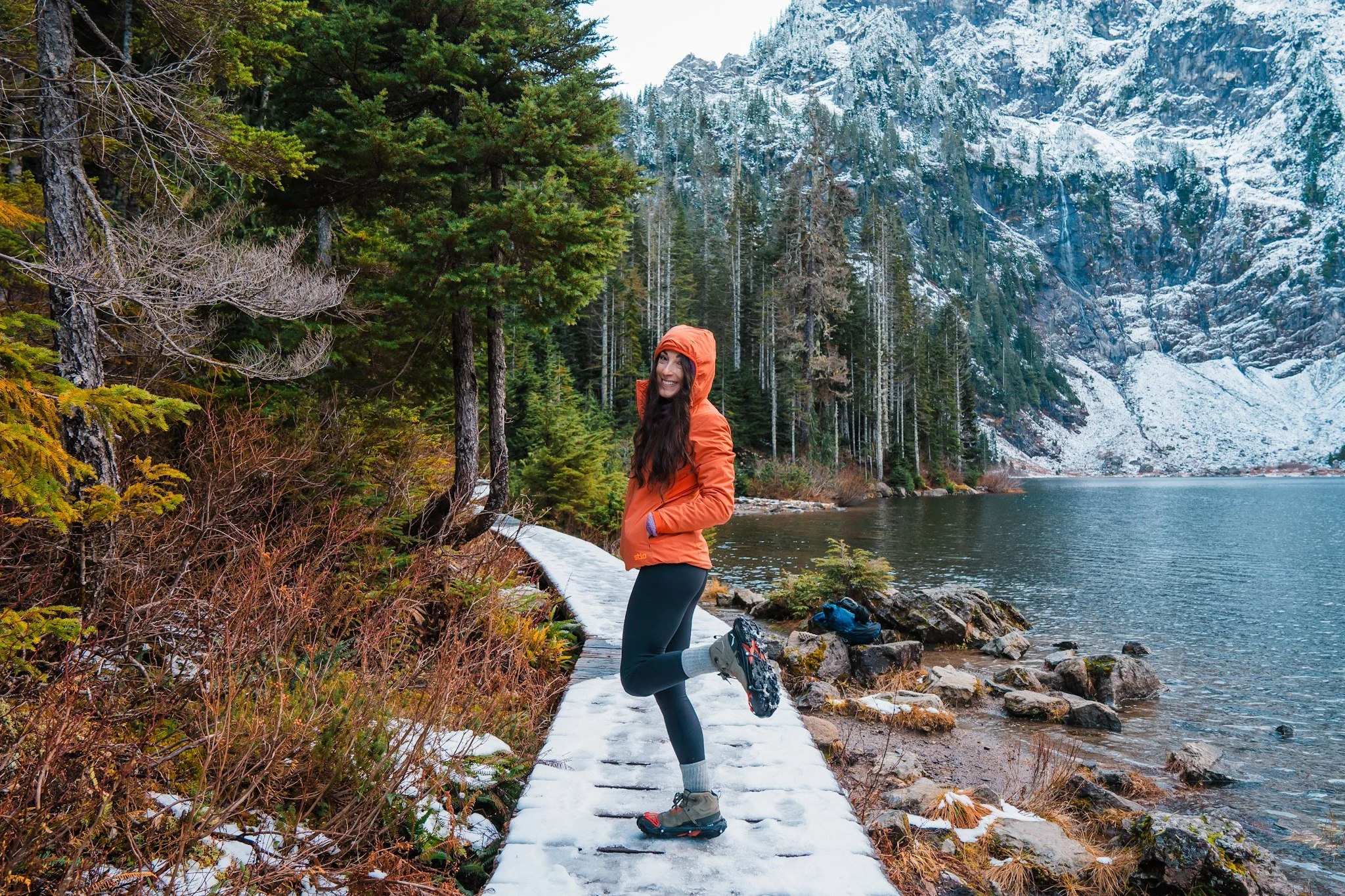
What to Wear - Essential Fall and Winter Hiking Clothing
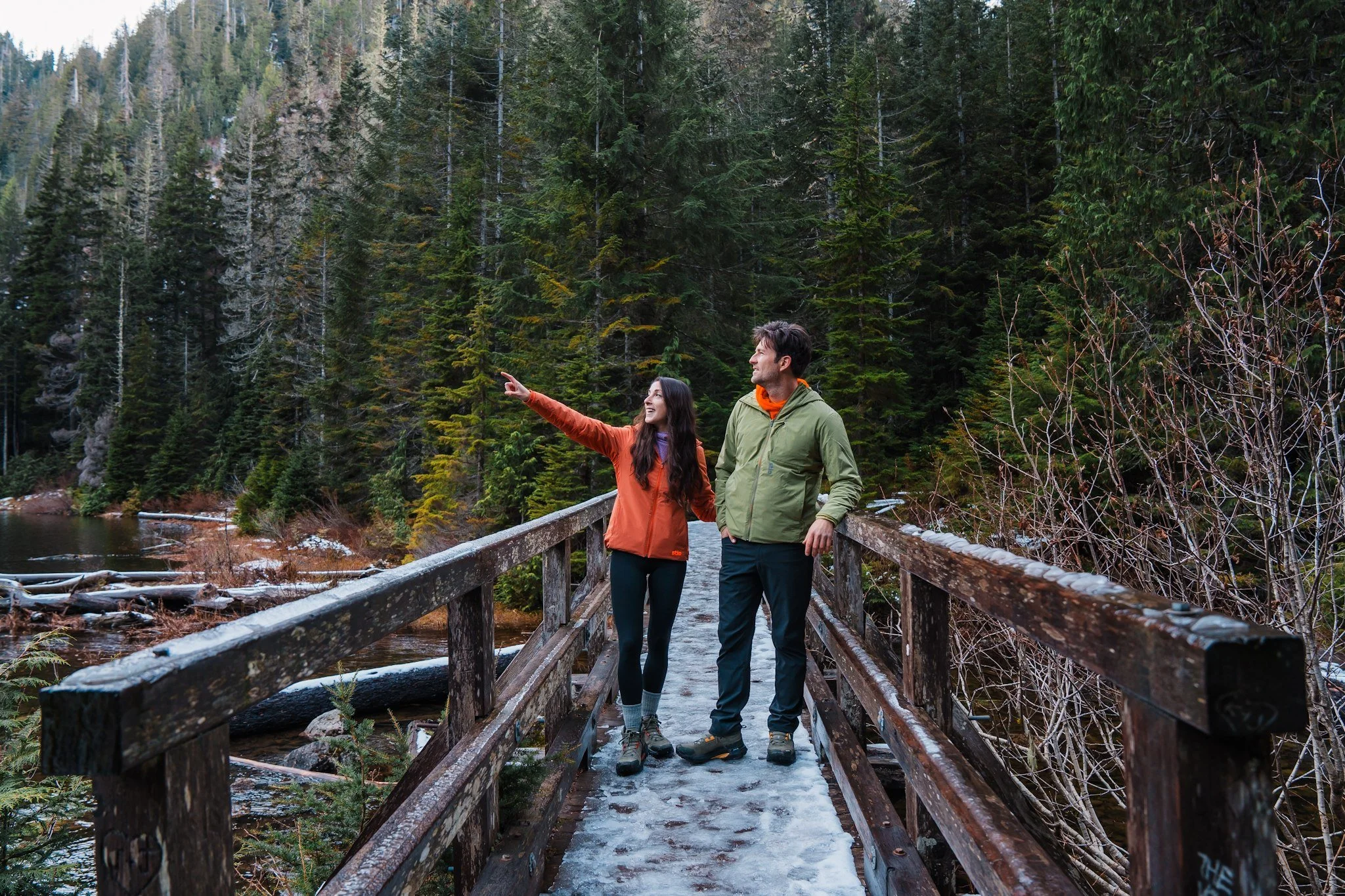
Packing the right clothing and gear can make the difference between an enjoyable adventure and a miserable, potentially dangerous experience. The key is layering: start with a moisture-wicking base layer, add insulating mid-layers, and top it off with a weatherproof shell to protect against wind, rain, or snow. This same layering system works whether you’re tackling crisp fall trails, shoulder-season hikes, or snowshoeing through winter landscapes.
With the right layers and gear, you’ll stay warm, dry, and comfortable, allowing you to focus on the trail and enjoy the season’s unique beauty. Below are the clothing essentials to wear and bring on your fall and winter hikes or snowshoe trips.
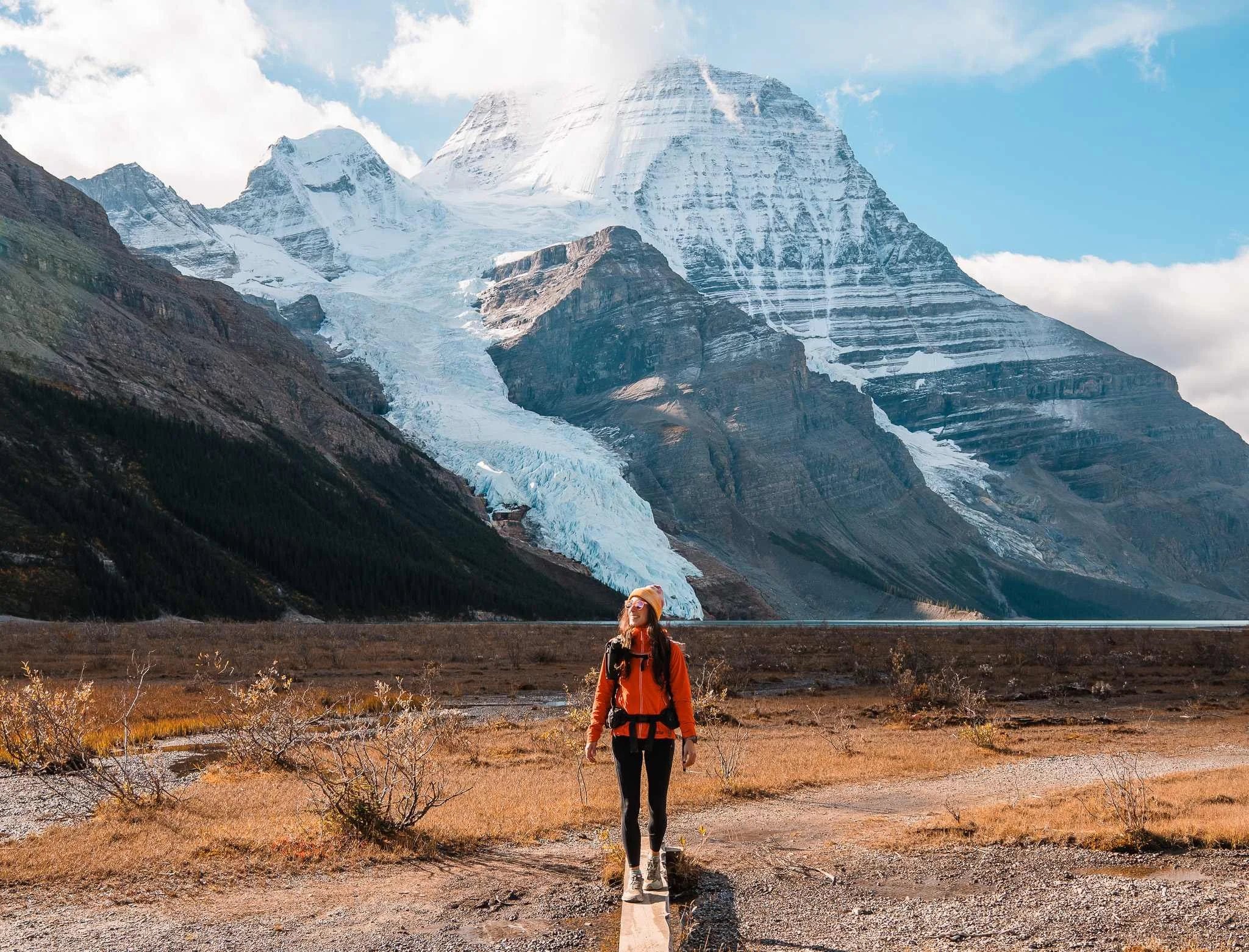
Keeping Your Core Warm - Layering Basics for Cold Weather
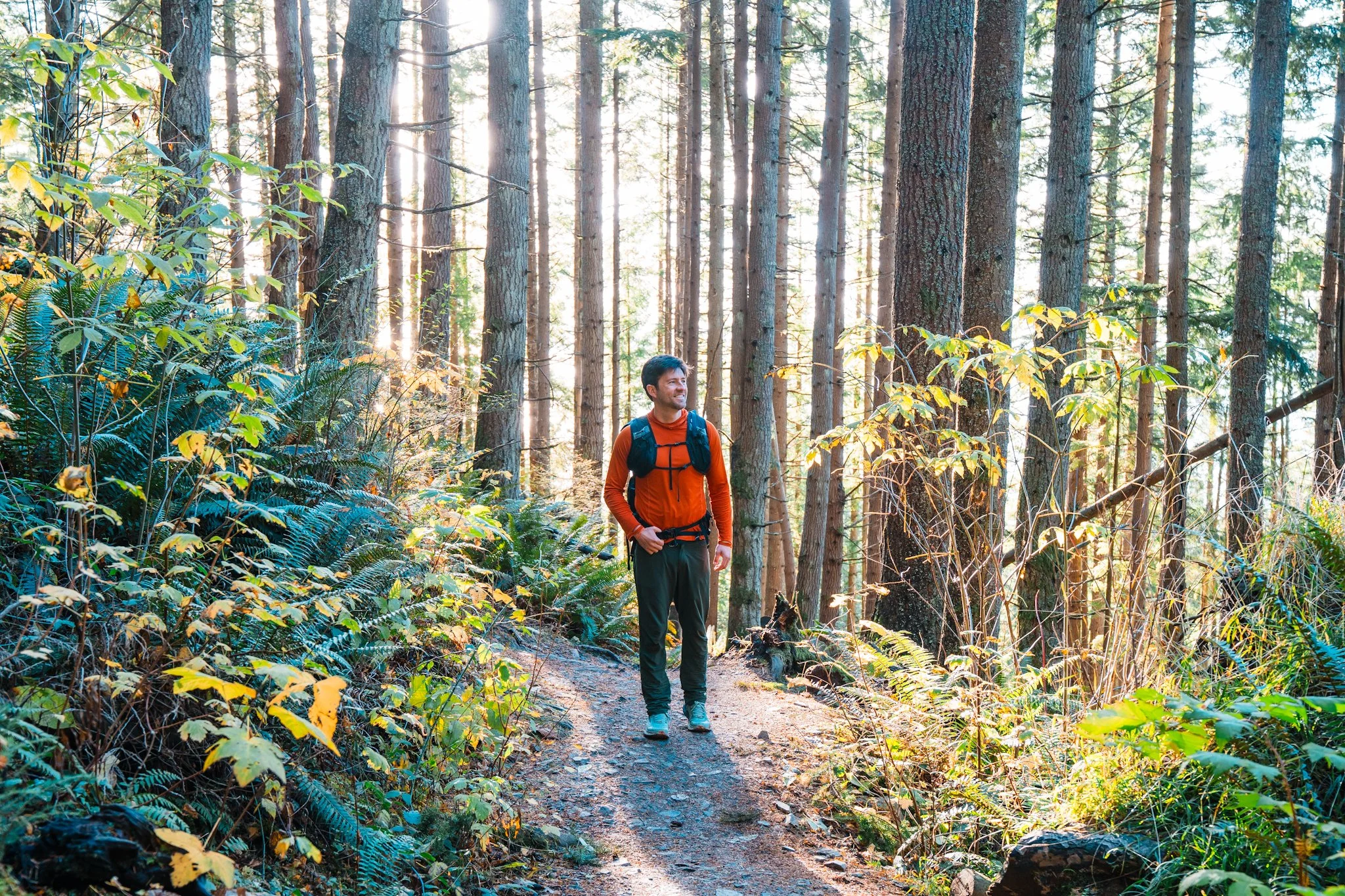
Fall and winter weather is notoriously unpredictable, so you’re going to want to dress in layers and pack outer layers with you to add as needed. Start with a moisture-wicking base layer to keep sweat off your skin. Add an insulating mid-layer, like a grid fleece, alpha direct hoodie, or lightweight puffy, to trap warmth. Top it off with a waterproof, breathable rain shell to protect against sudden downpours, snow, or gusty winds.
Your Complete Upper Body Layering System for Hiking and Snowshoeing
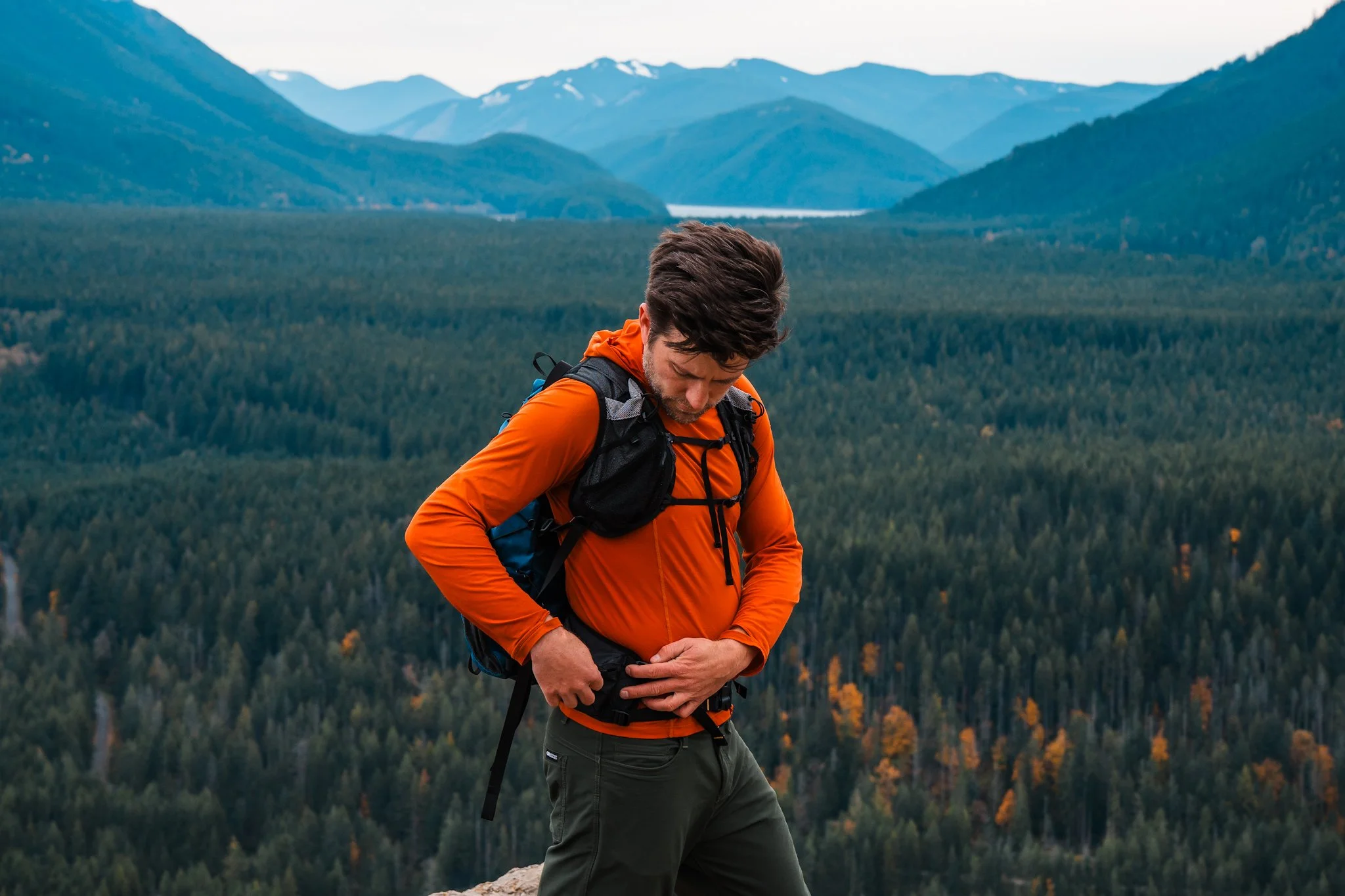
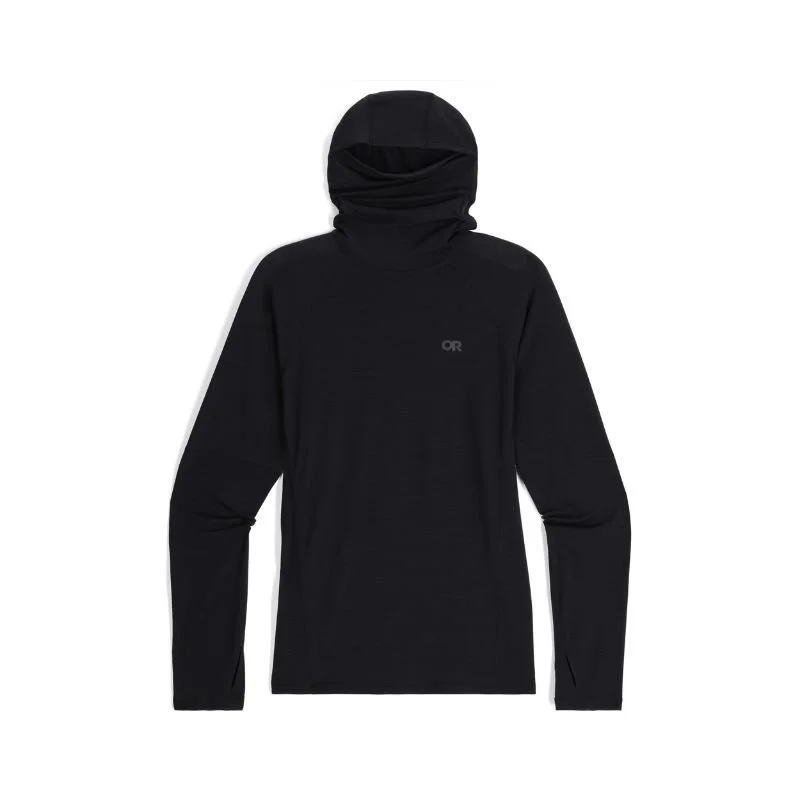
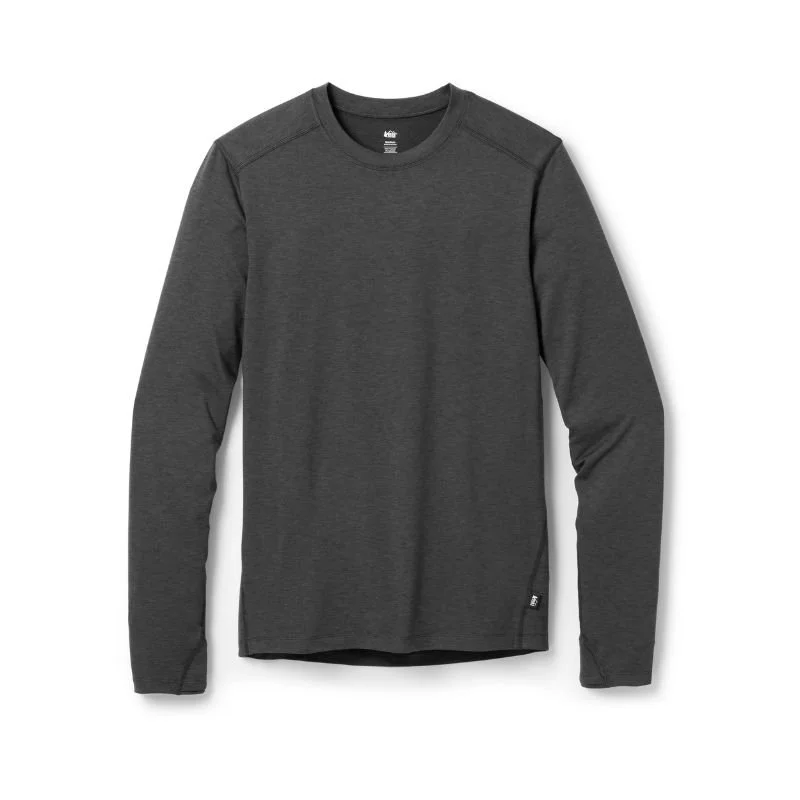
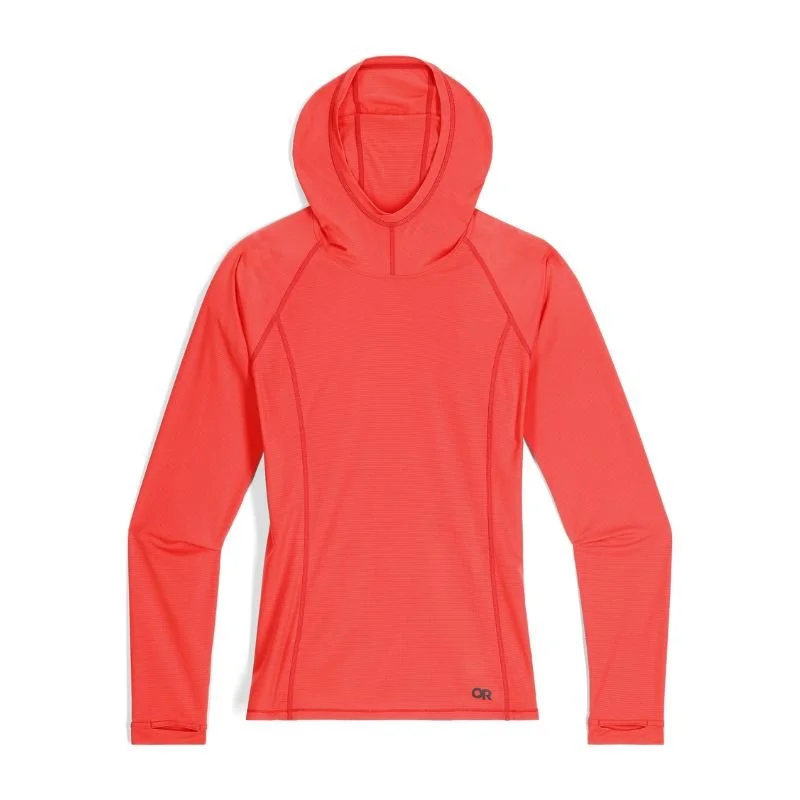
Base Layer Top or Sun Hoodie:
A wool or synthetic top that is breathable and keeps you from overheating when working hard on the uphill. If it’s sunny out, I still recommend a sun hoodie, even in fall and winter to protect your upper body from UV rays.


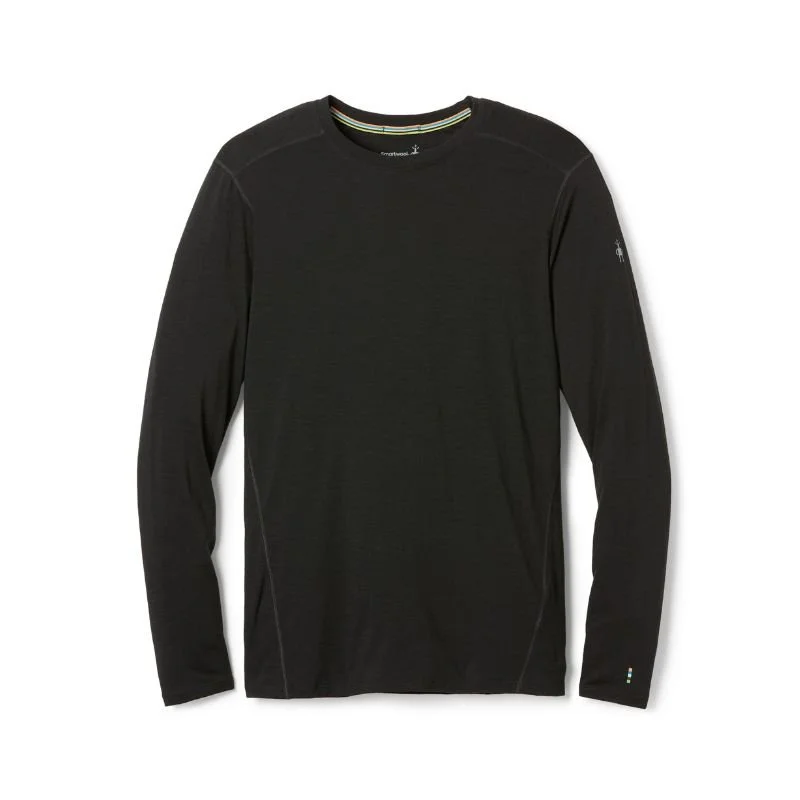
Fleece Mid-Layer:
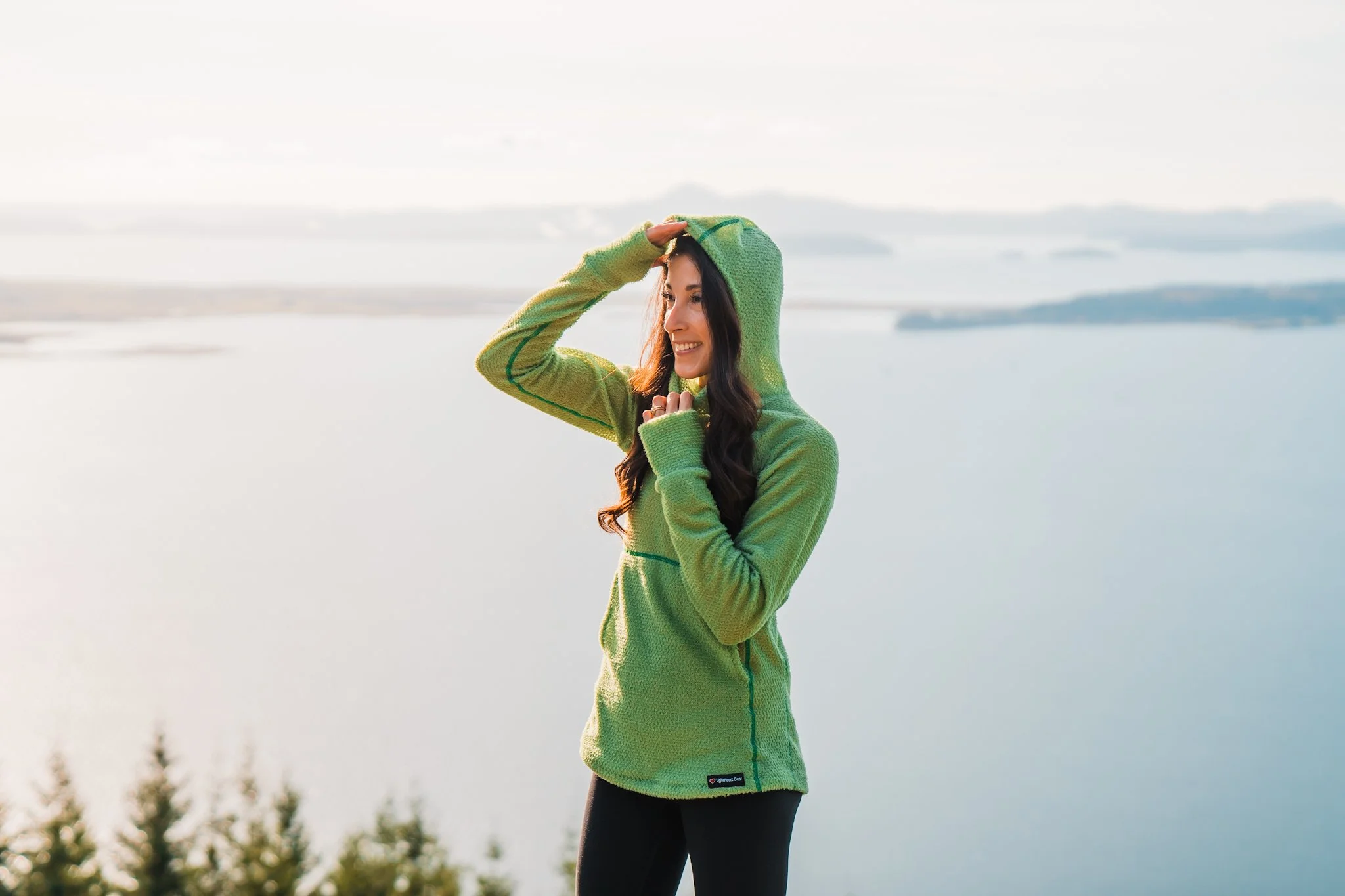
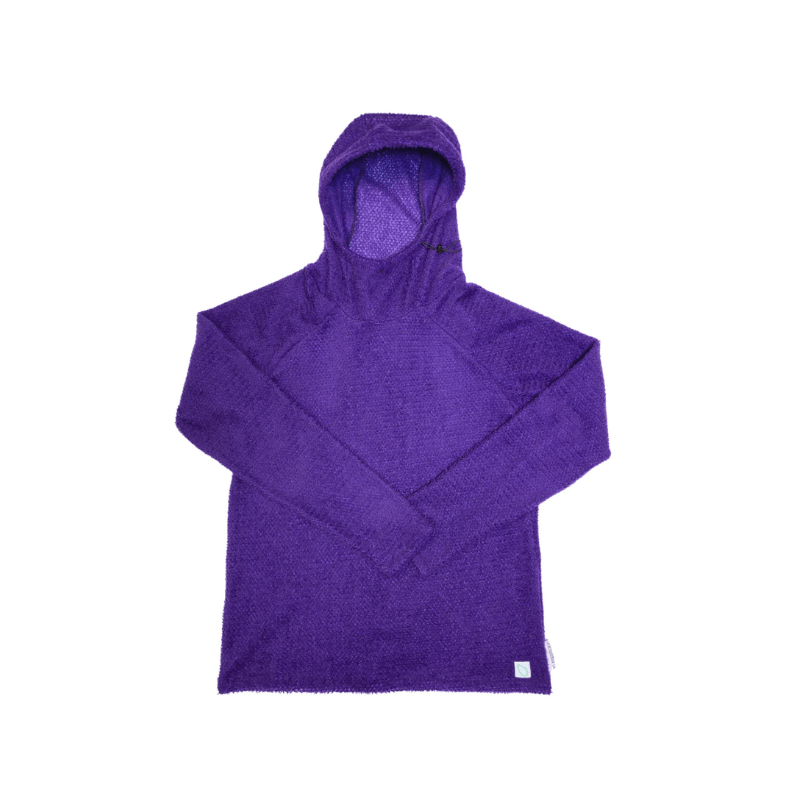
A lightweight and breathable fleece for cool mornings, cold weather hiking, hanging out at your destination, or a little extra warmth on breezy days. My new favorite layer is an Alpha Direct fleece, they are so light, incredibly soft, and the right amount of warmth. I’m currently working on a blog post all about mid-layers, and will link it here once it is live.
Alpha Direct Fleece: LEVE Alpha 90 Hoodie - Unisex | LightHeart Gear Alpha Direct 90 Hoodie (pictured above) Men’s | Women’s
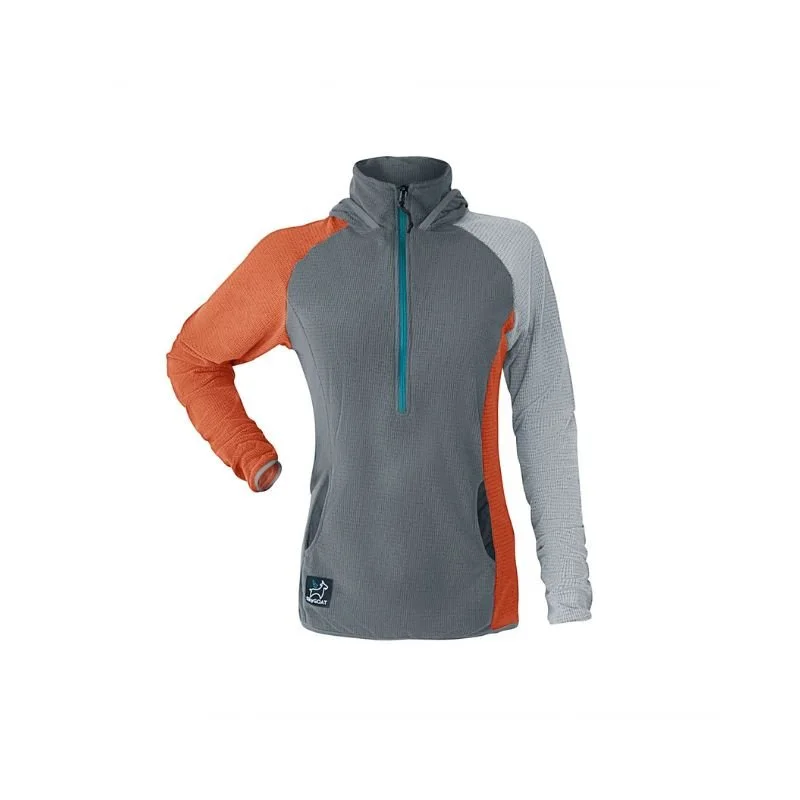
Ultralight Grid Fleece Half Zip: SkyGoat CAMP Half-Zip Hooded Pullover Ultralight 115 - Men’s | Women’s (Use code SKYEGOAT for 20% off your order)
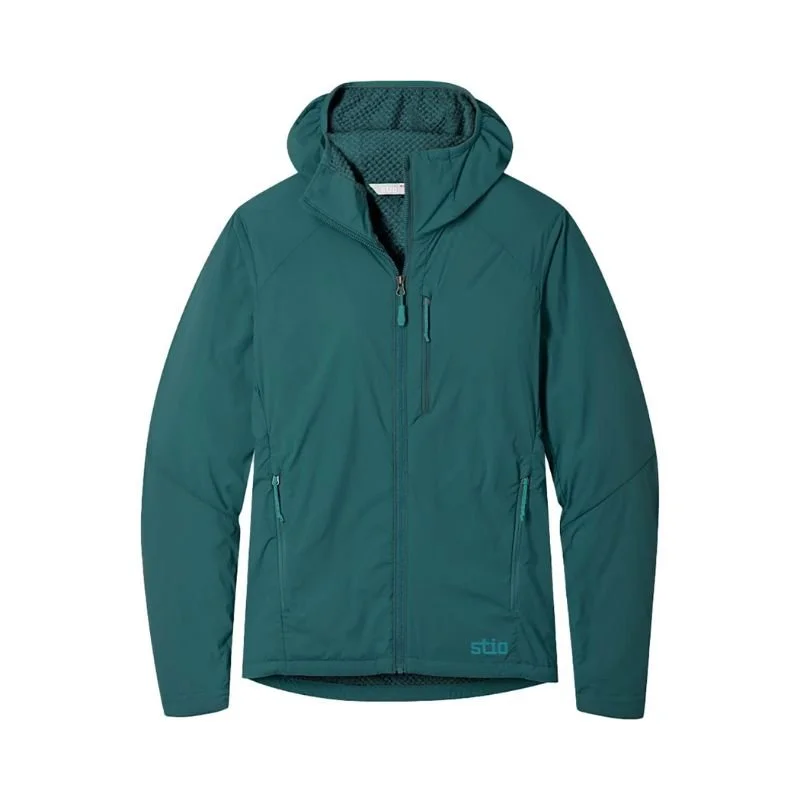
Grid Fleece Pullover: Classic Squak Grid Fleece Mid-Layer Hoodie - Men’s | Women’s

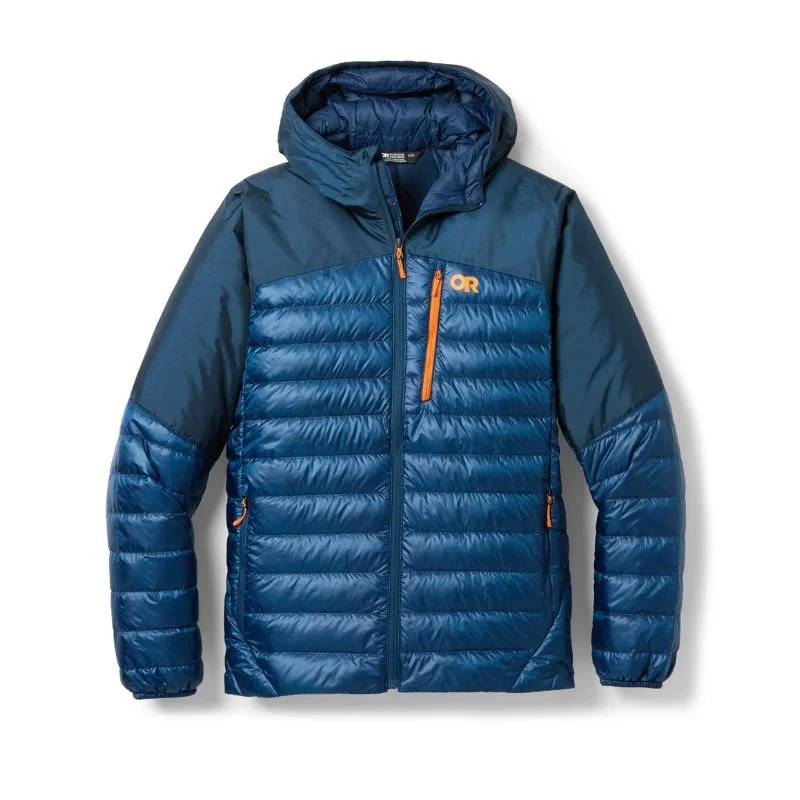
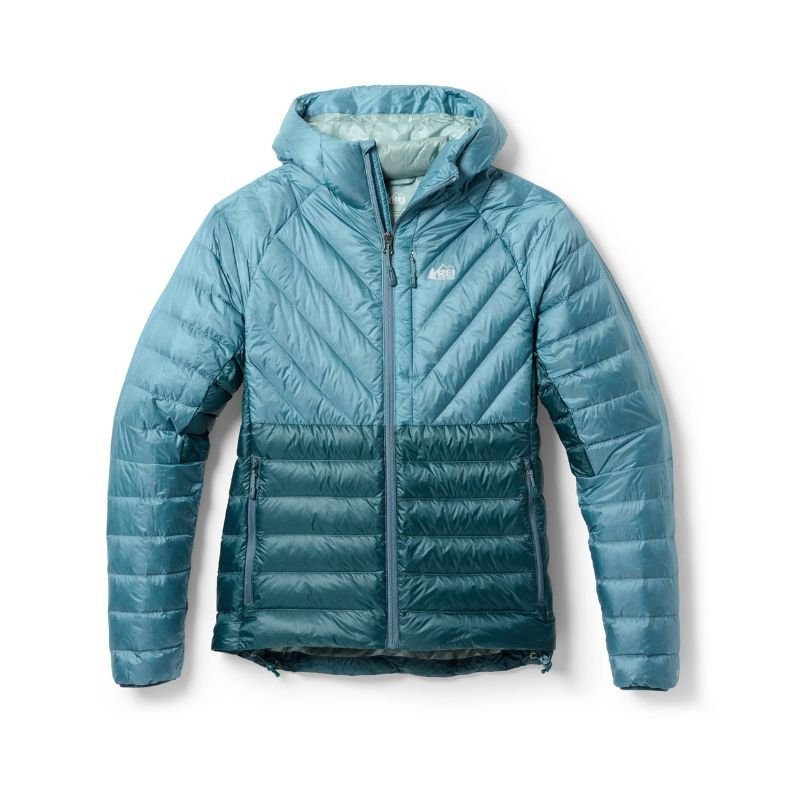
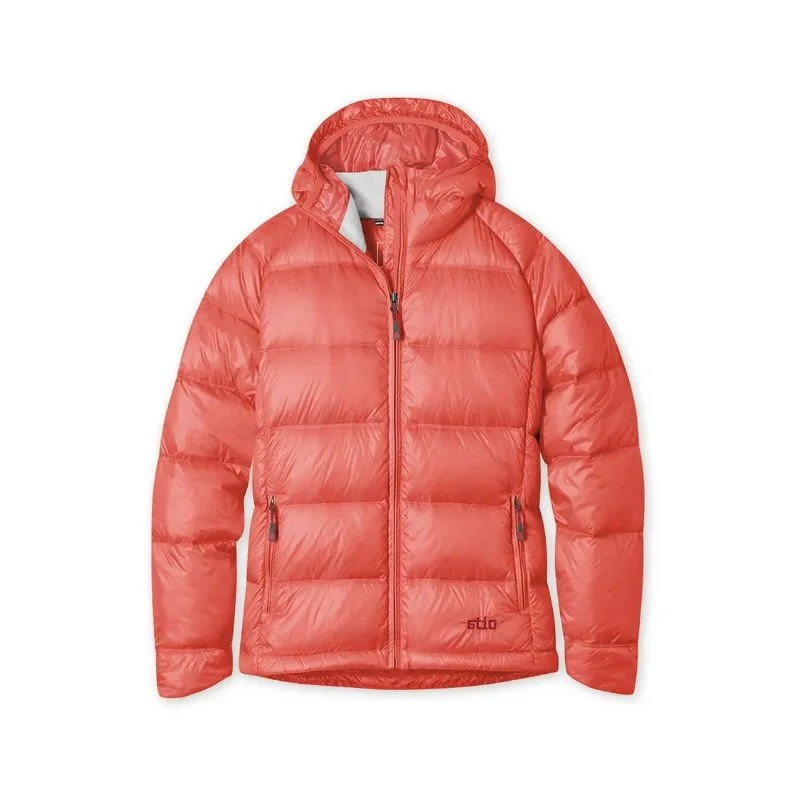
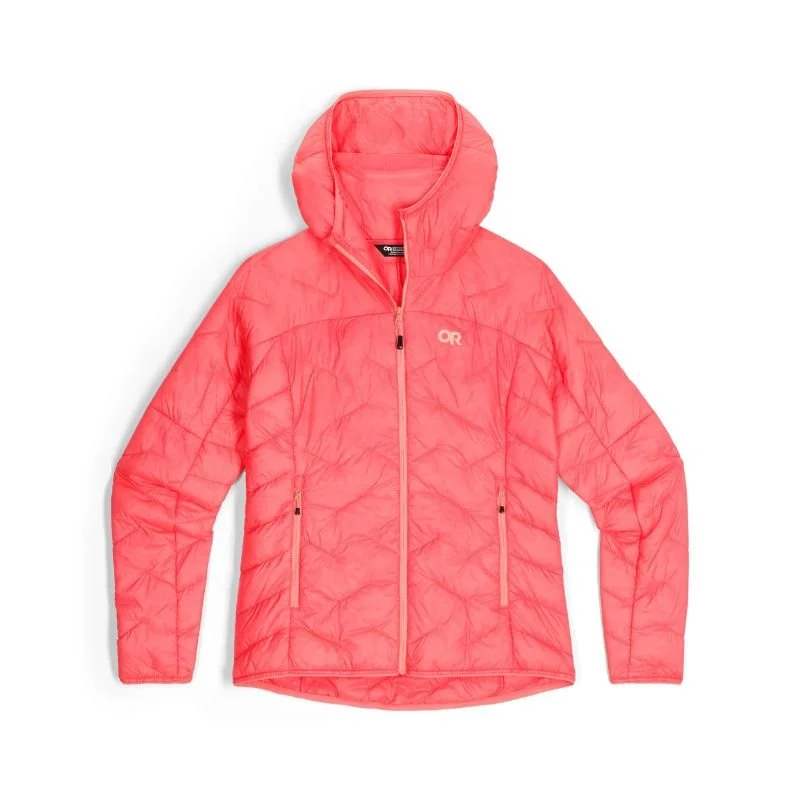
Puffy Jacket - Down or Synthetic:
A lightweight down or synthetic jacket that provides extra insulation for changing temps or when you’re not moving.
Hard Shell Rain Jacket:
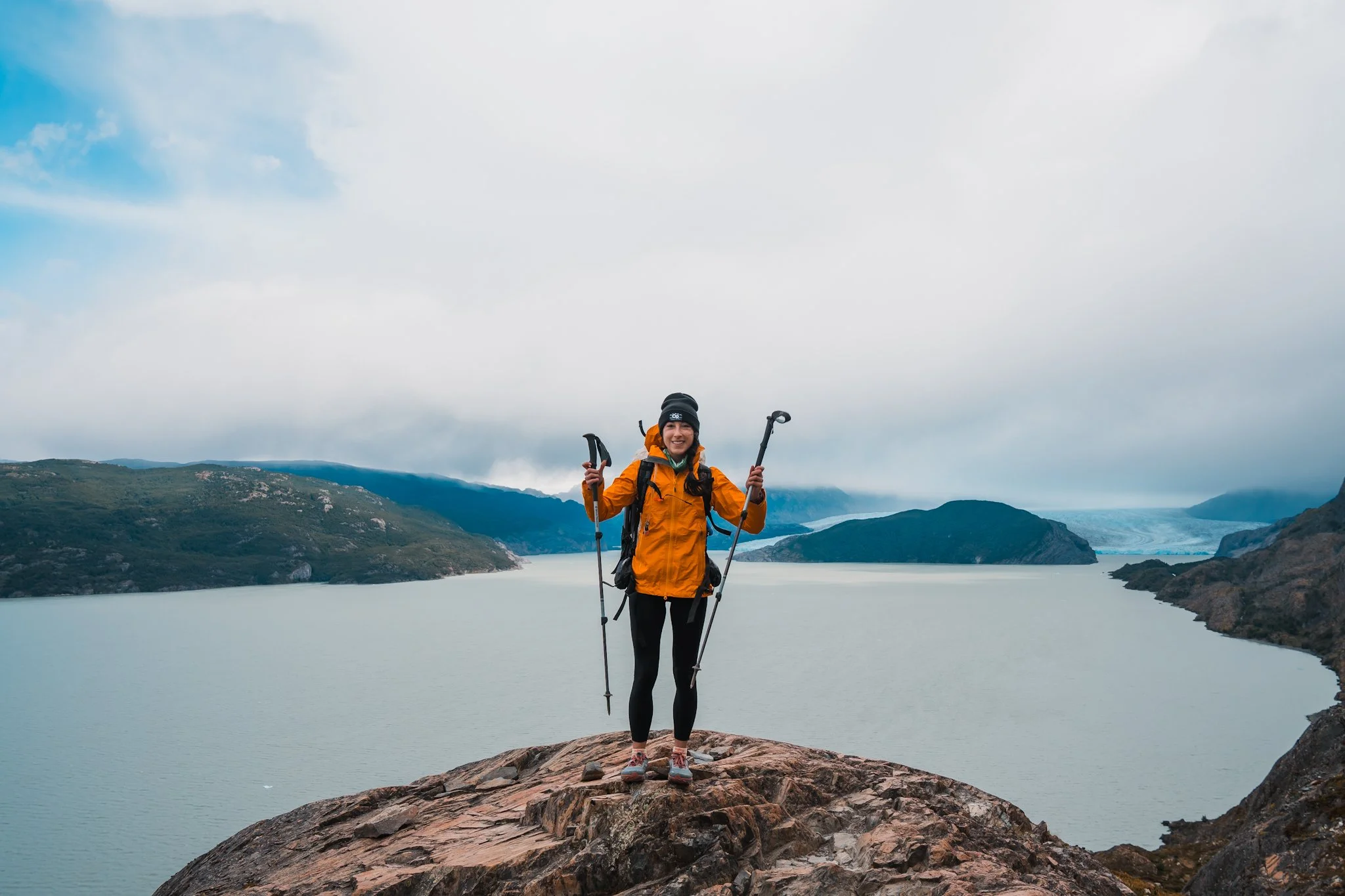
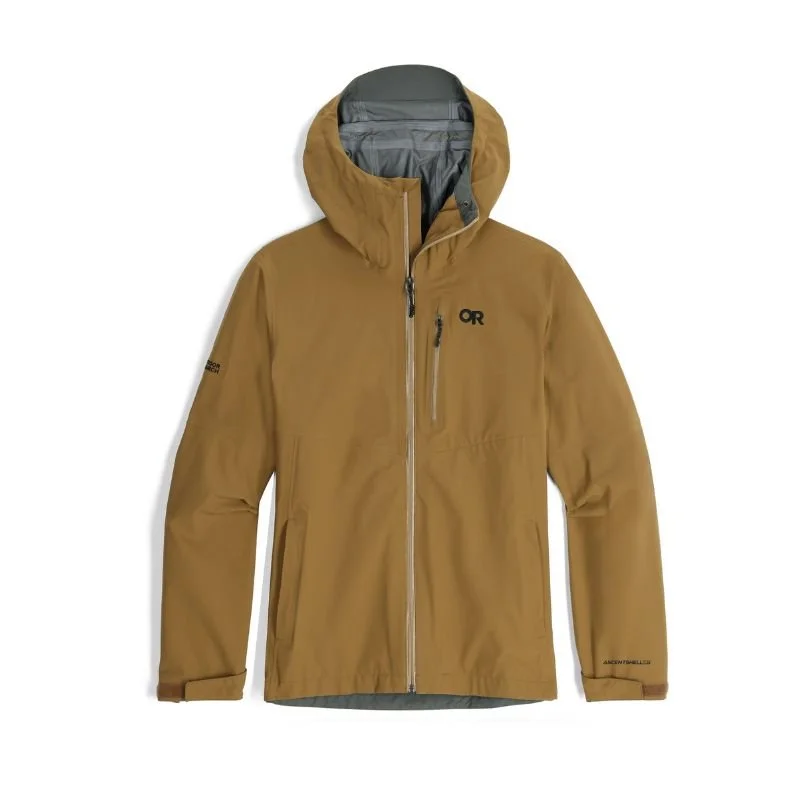
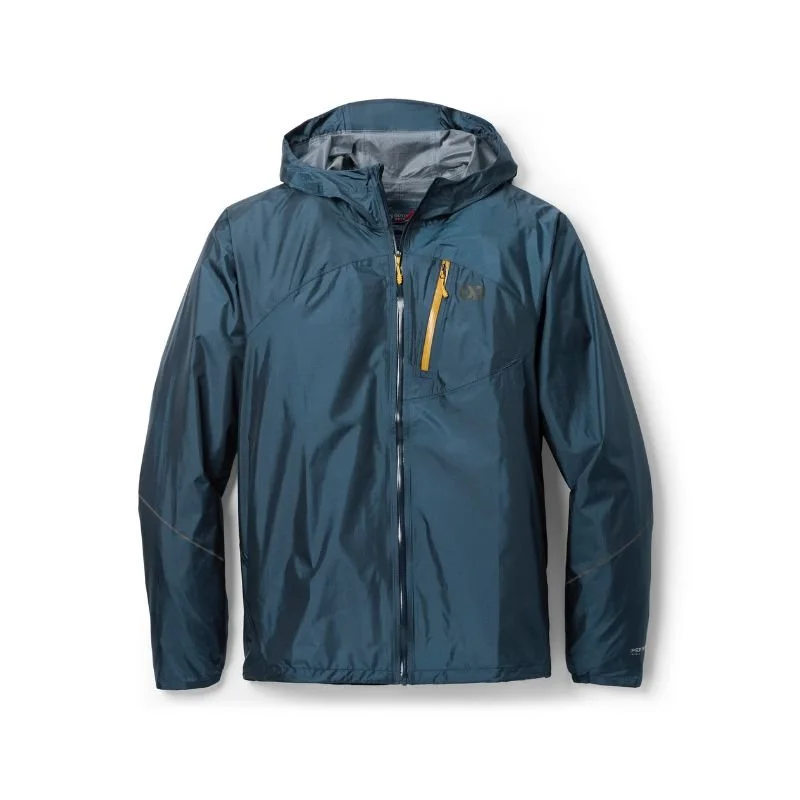
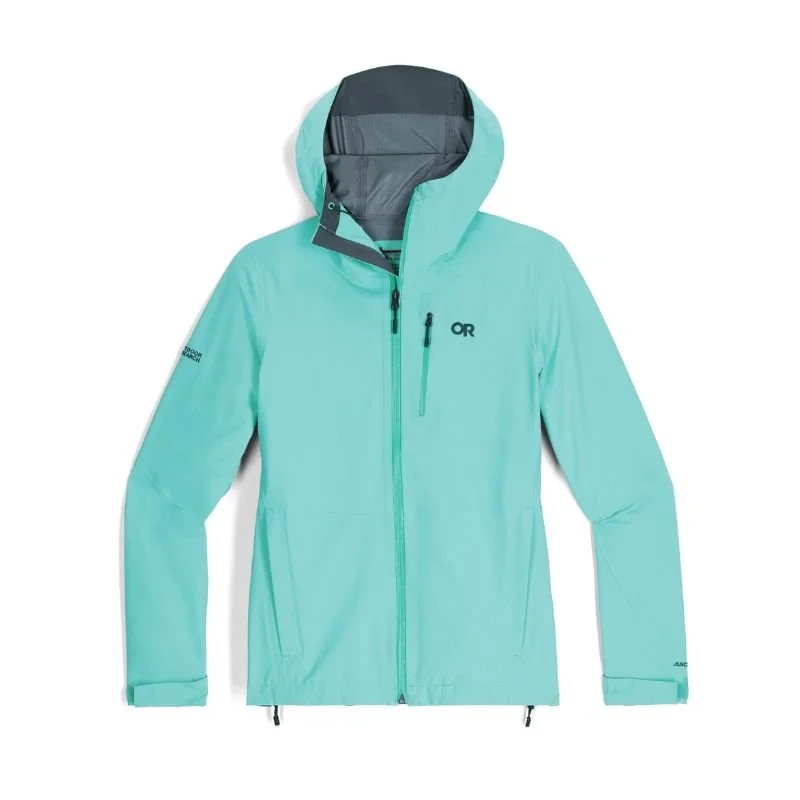
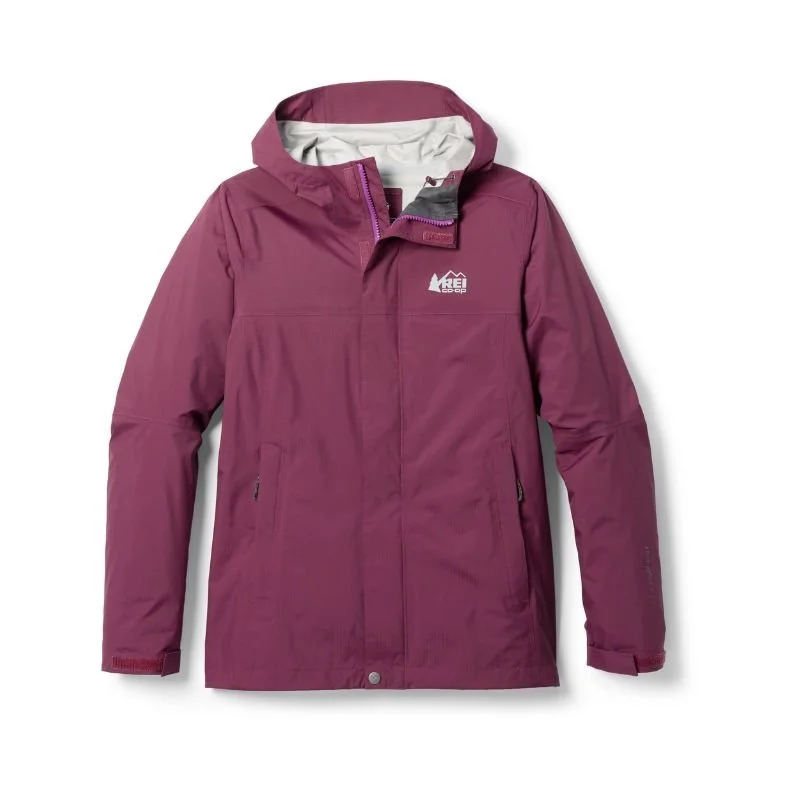
A waterproof rain jacket that blocks rain , snow, and wind, to keep your other layers dry. If it is going to be rainy or snowy on your hike, I always recommend Gore-Tex since it will keep you the driest. But if you just want one to stash in your pack, the Outdoor Research Helium Rain is a great, packable, and ultralight choice.
Gore-Tex Rain Jacket: OR Foray Men’s | OR Aspire Women’s
Extra Cold Weather Layers & Accessories:
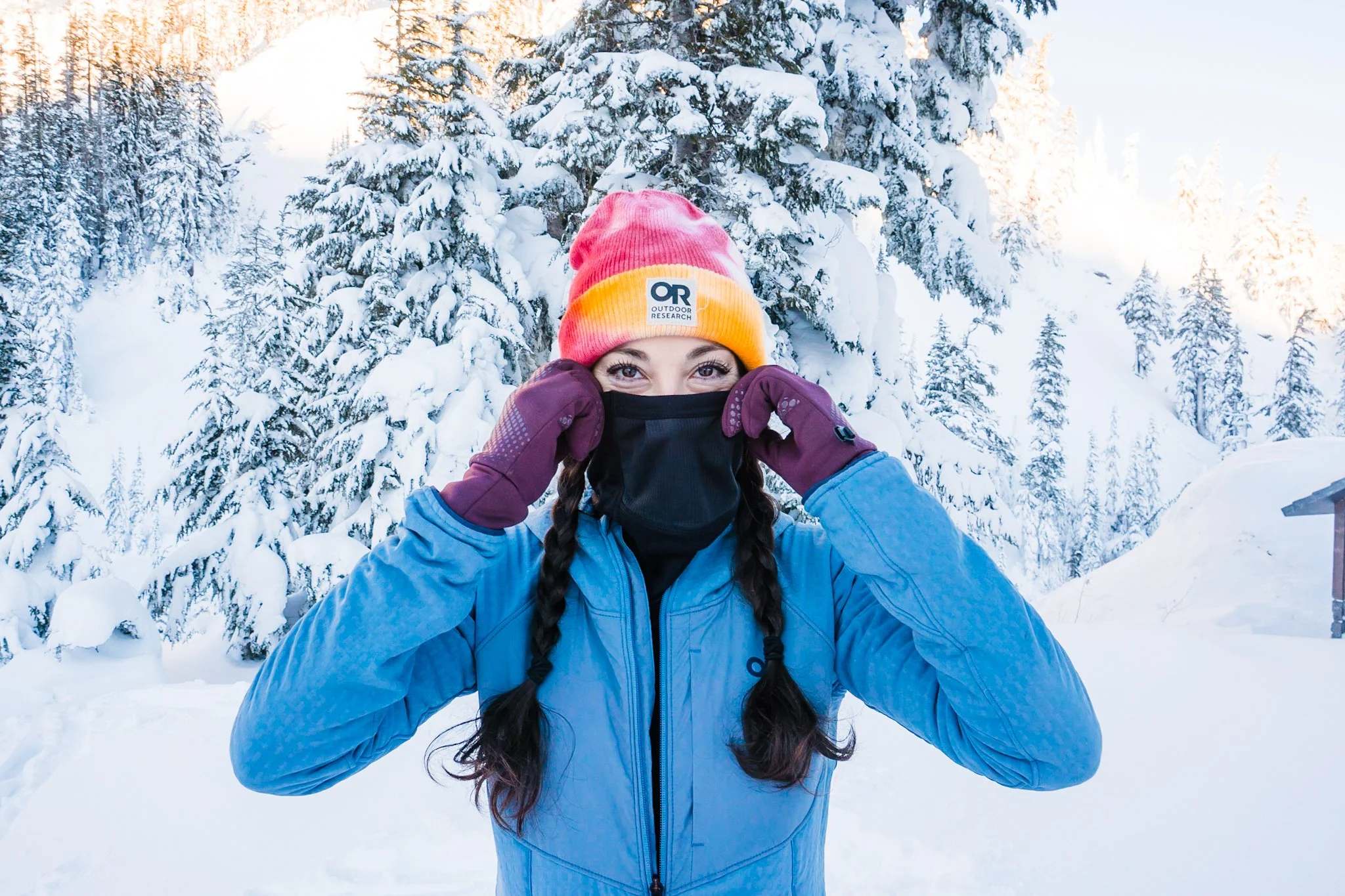
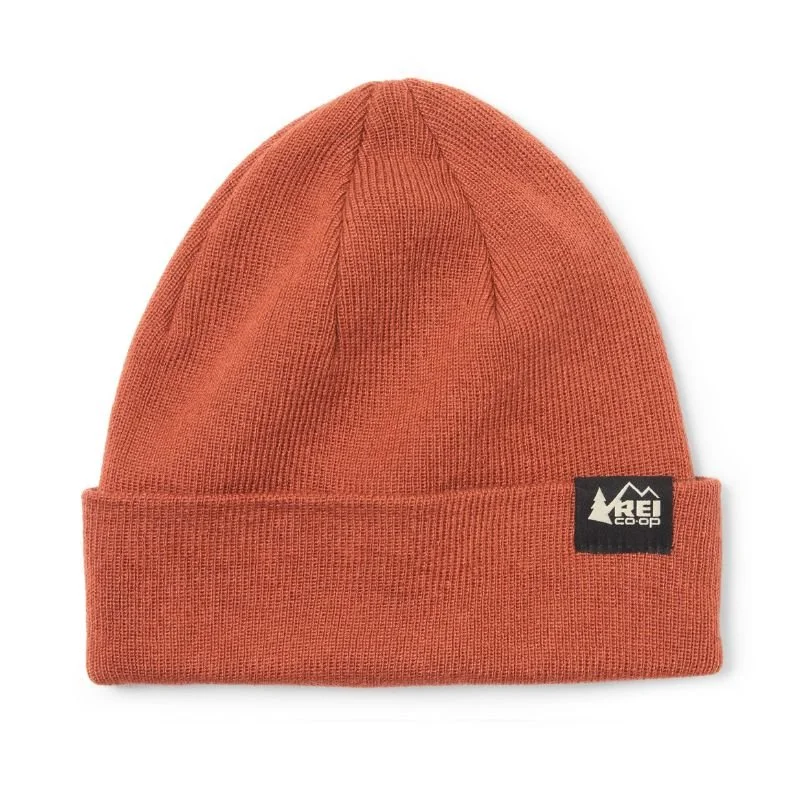
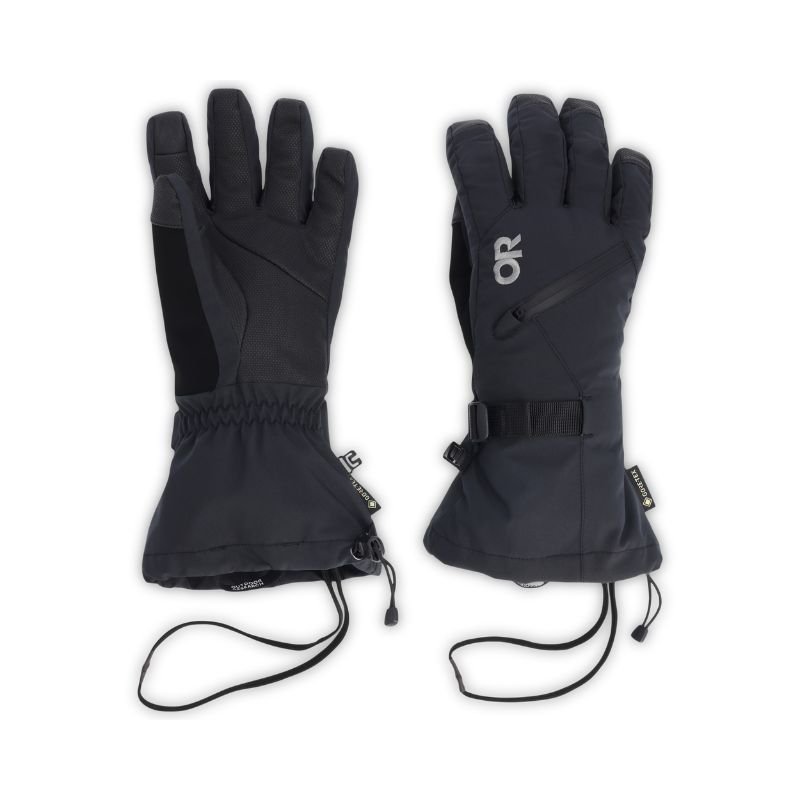
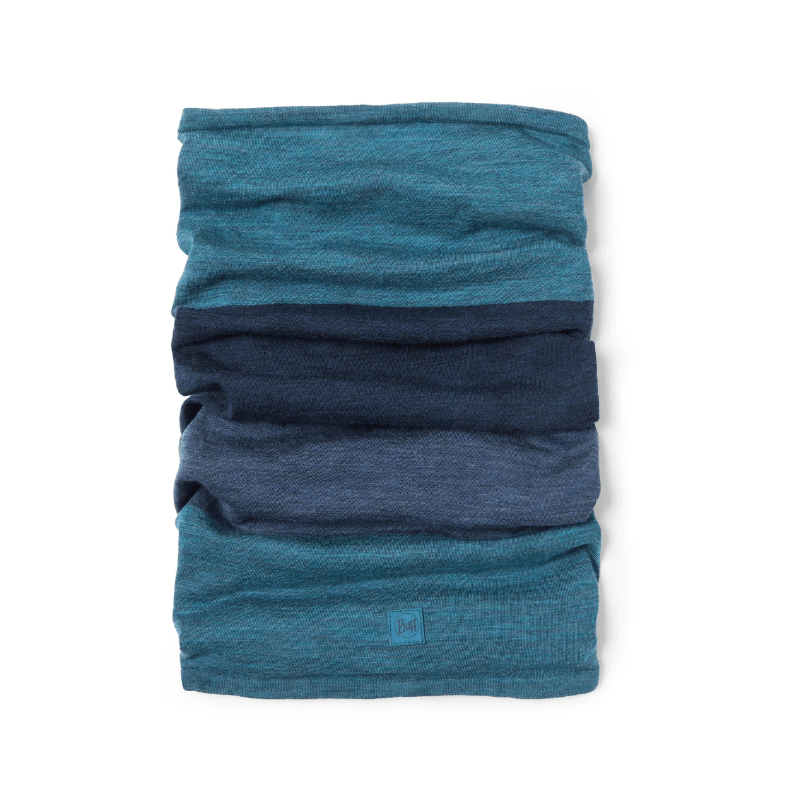
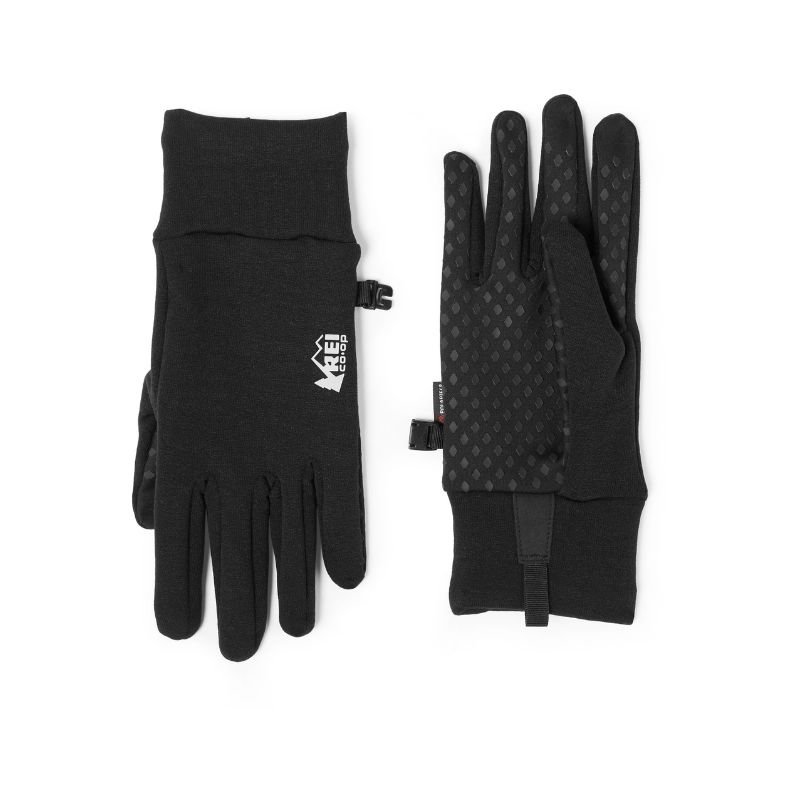
Always bring a warm hat, gloves, and a buff. Thin liner gloves work well for mild conditions, while insulated gloves keep your hands warm at windy or exposed summits.
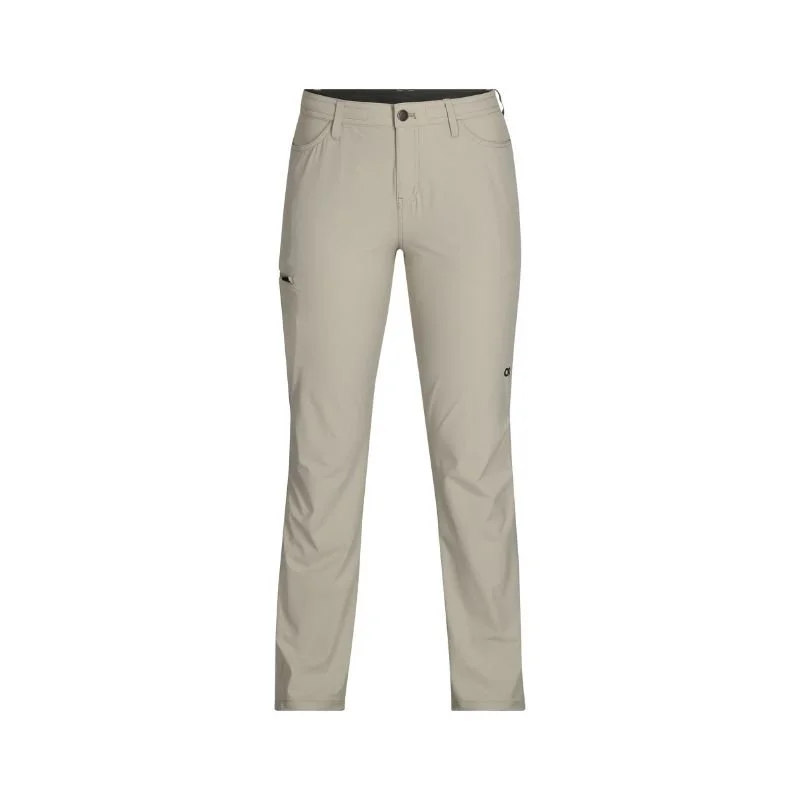
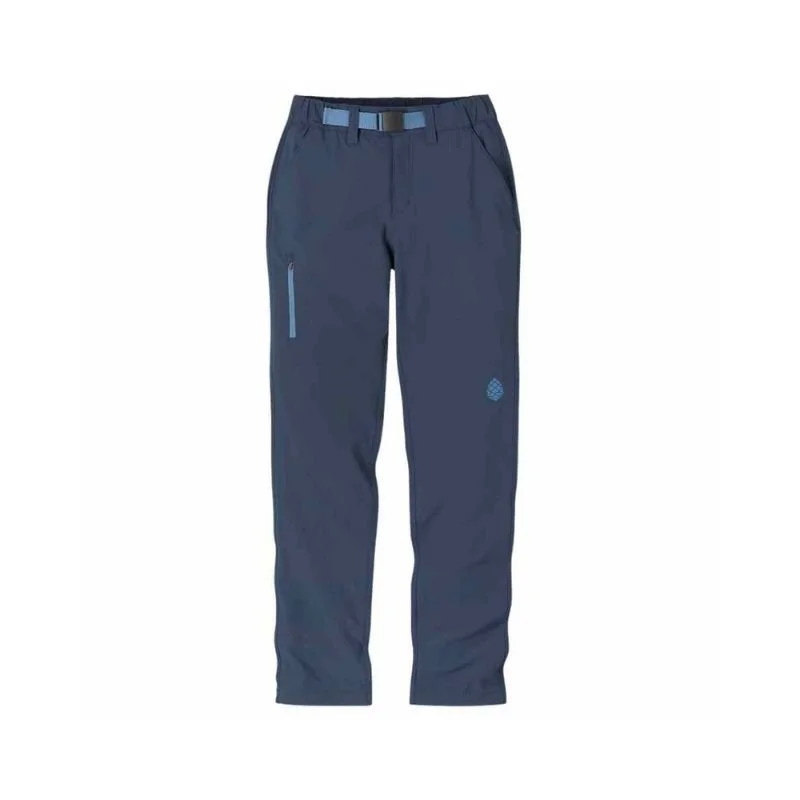
Top-Rated Fall and Winter Hiking Pants and Leggings
Just like your upper body, your legs need layers to handle unpredictable fall and winter conditions. Start with pants or leggings, and you can even pick an insulated option if you are worried about being cold. But remember, you will get hot when moving, so you don’t want something that will get too hot and make you sweat. If hiking in snow, you will want gaiters to help protect against rain and snow, and keep water out of your boots. If rain is in the forecast, you may also want to throw a pair of rain pants in your pack. Though rain in the summer isn’t a big deal, it can be awful and even unsafe to be cold and wet on winter hikes. These same layers work whether you’re hiking crisp autumn trails, tackling shoulder-season conditions, or snowshoeing through deep winter snow.
The Best Pants and Leggings for Hiking and Snowshoeing
Base Layer Bottoms (optional):
I only recommend these if you are in very cold temperatures or wearing them under bibs or snow pants. Otherwise I would skip this layer since they can make for a very hot and sweaty hike when you are moving constantly.
Hiking Pants:
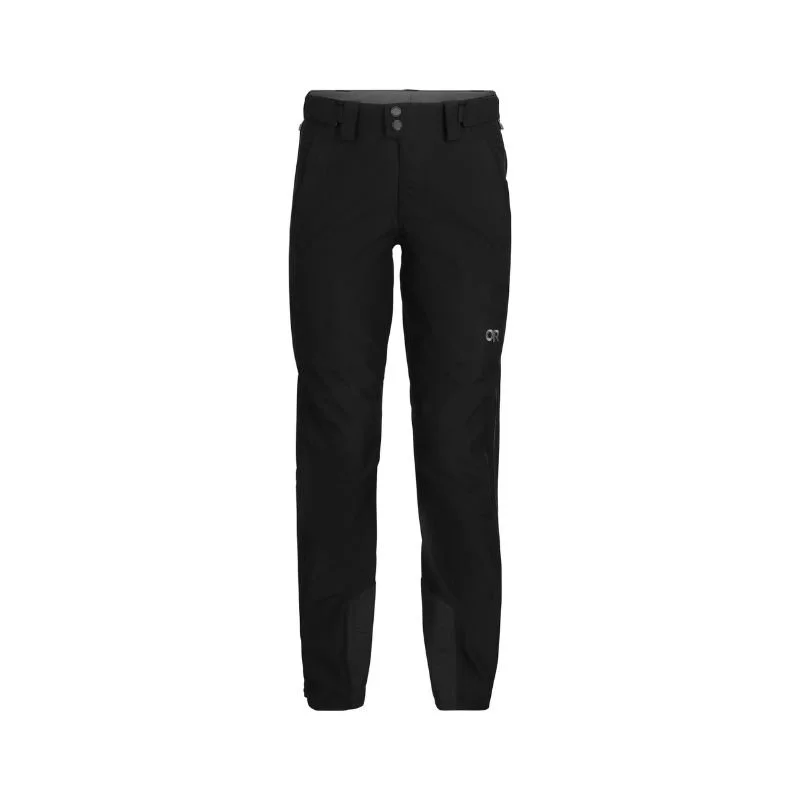
What you will wear most of the time, opt for pants that are breathable and water-resistant.
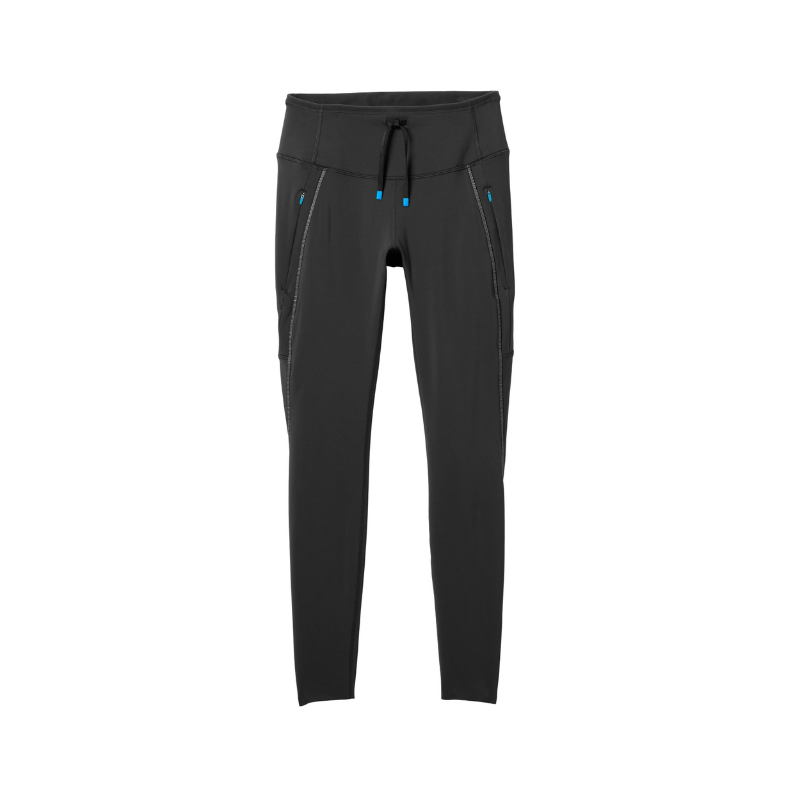
Leggings/Tights:
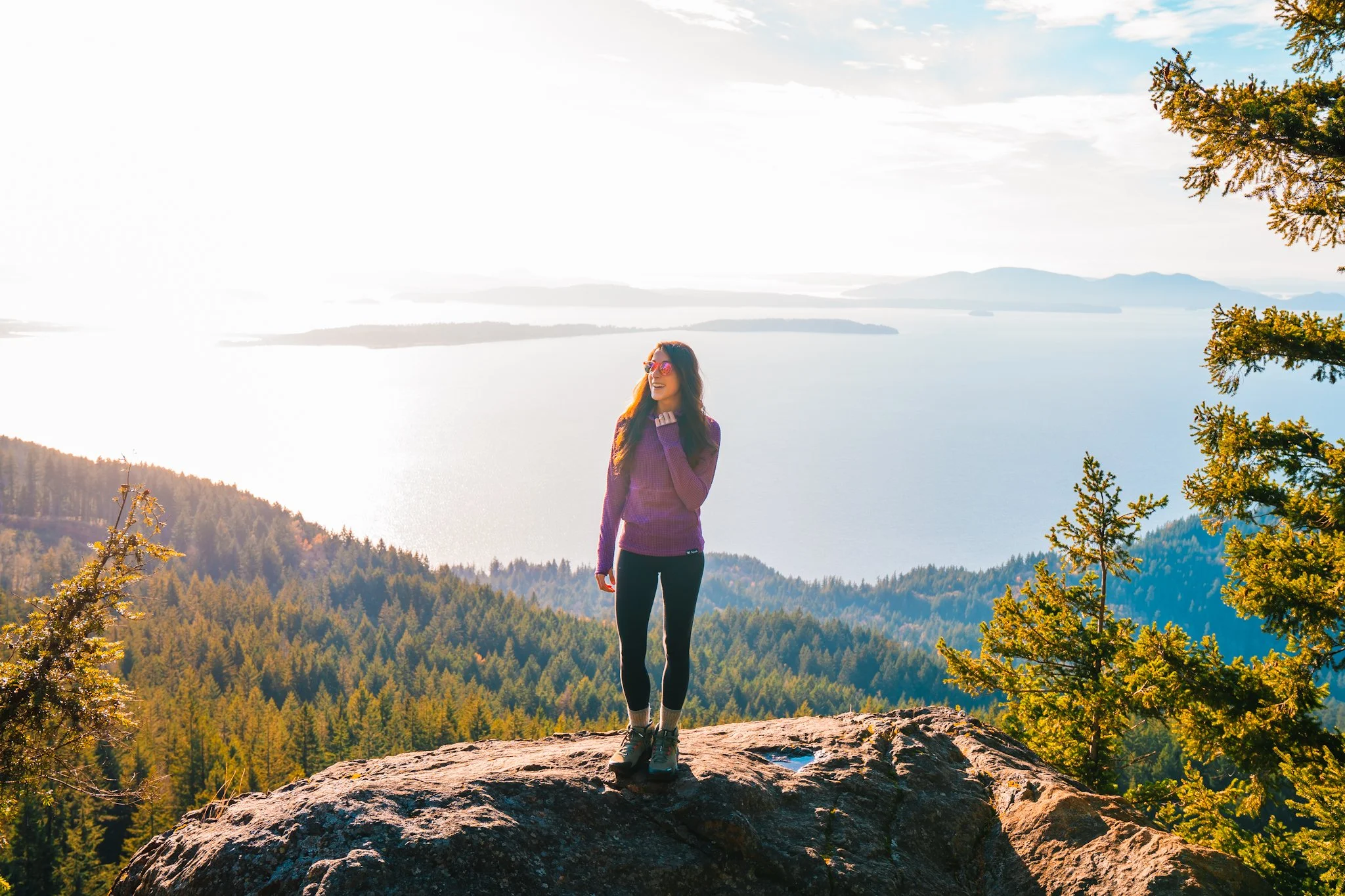
Personally I love hiking in leggings and my favorite for fall and winter are either brushed on the inside or fleece lined for severely cold climates.
Non-insulated (not warm): Athleta Salutation Stash High Rise 7/8 Legging
Brushed Interior (warm): Athleta Rainier High Rise Legging
Fleece Lined (very warm): Women’s Janji Aurora Fleece Tights | Men’s Janji Boreal Fleece Tights

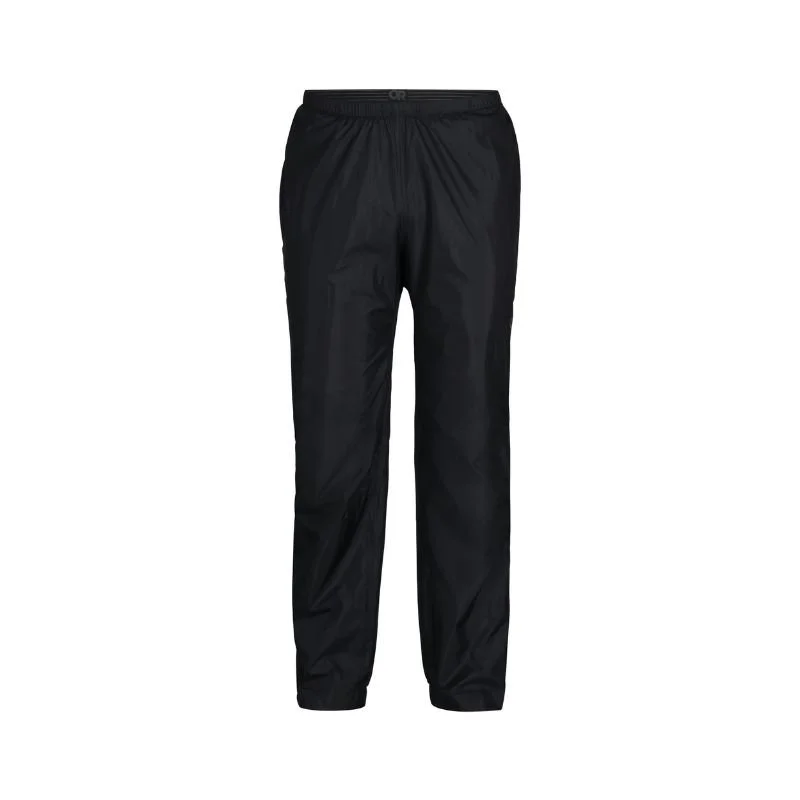
Rain Pants (optional):
If rain is in the forecast, pack these in your pack just in case. I normally hate hiking in rain pants because they can get hot and sweaty, but this time of year, if you are caught in a downpour, they can be the difference between staying dry or freezing and wet.
Snow Pants for Snowshoeing:
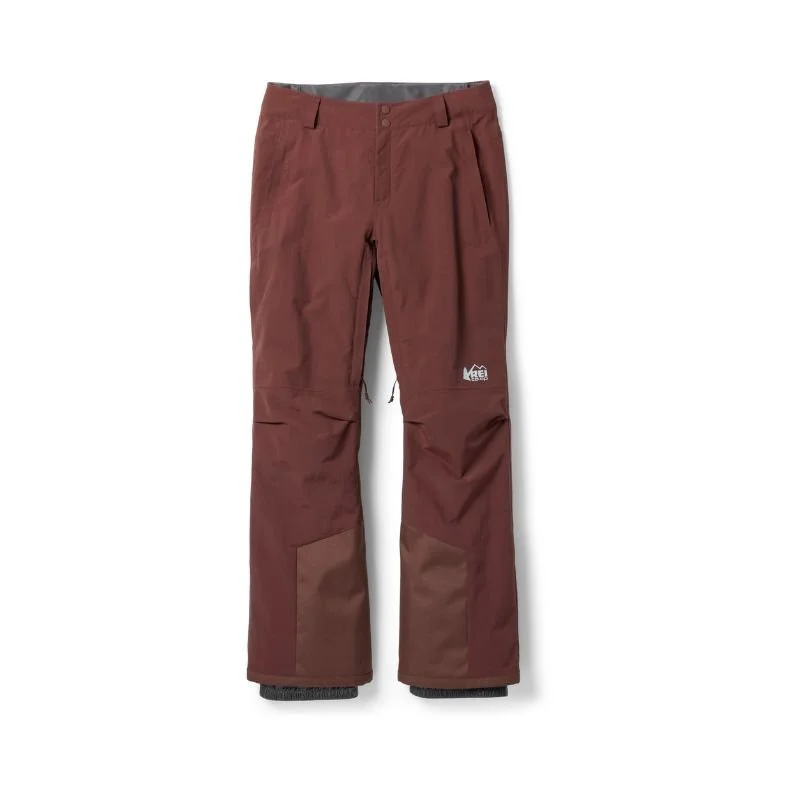
If you are snowshoeing in deep snow, you may want a pair of snow pants or bibs, over base layer bottoms to help protect against the elements.

The Best Waterproof Hiking Boots and Footwear for Cold and Wet Weather
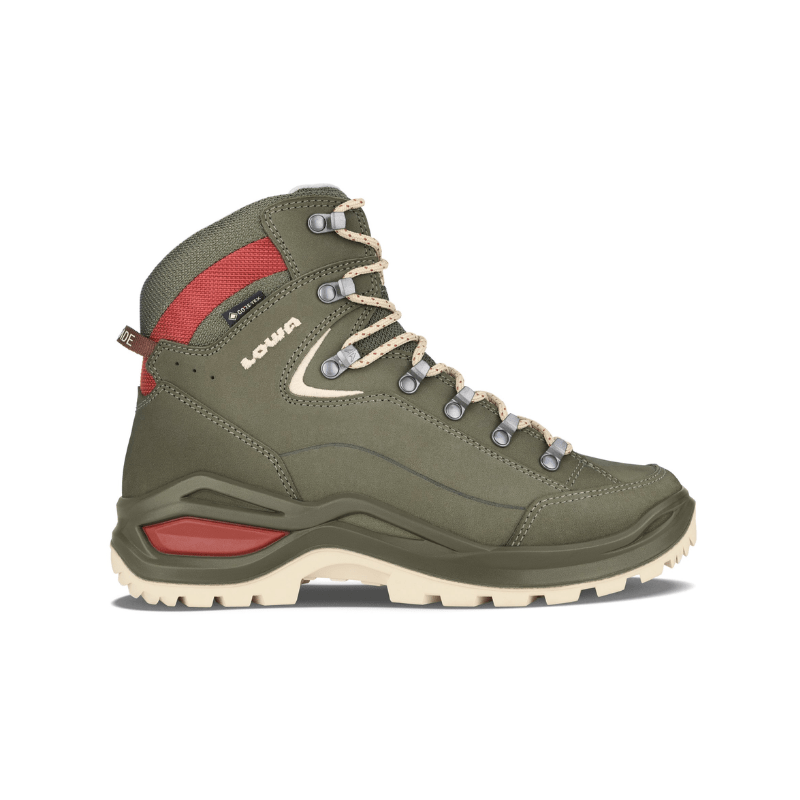
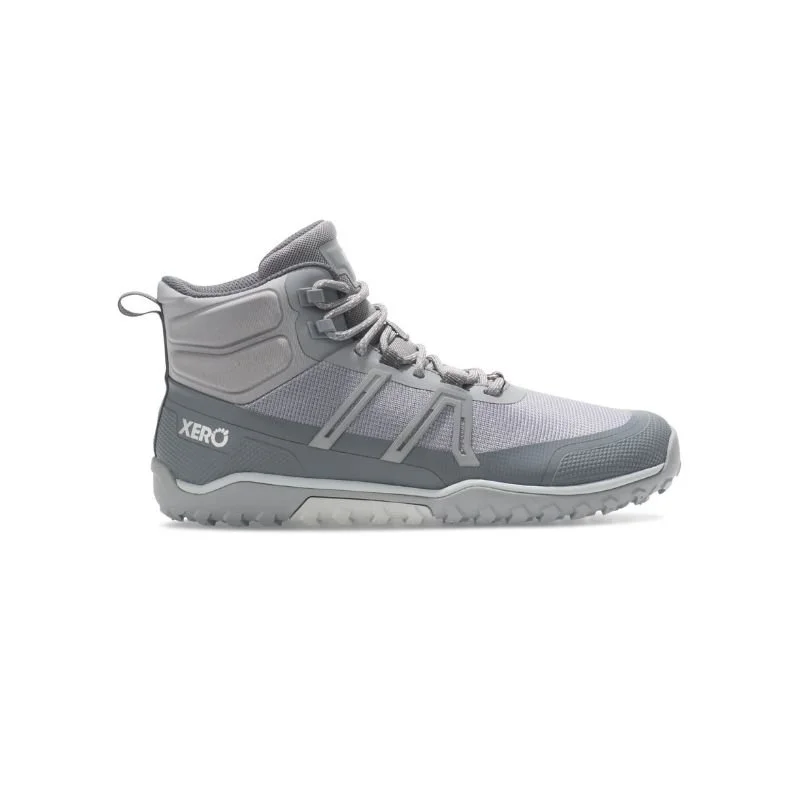
Choosing the right footwear is essential for comfort, safety, and performance on cooler-season trails. Normally I am a huge fan of always hiking and backpacking in trail runners, but in rain and snow, I do switch to hiking boots to keep my feet warm and dry. Sturdy, waterproof boots with strong grip help prevent wet or cold feet this time of year. Pair them with warm, moisture-wicking socks to keep your feet comfortable on long hikes, and add gaiters when hiking in snow or snowshoeing to keep snow and debris out of your boots. Below is a selection of my favorite footwear and accessories for fall and winter adventures.
Waterproof Hiking Boots:
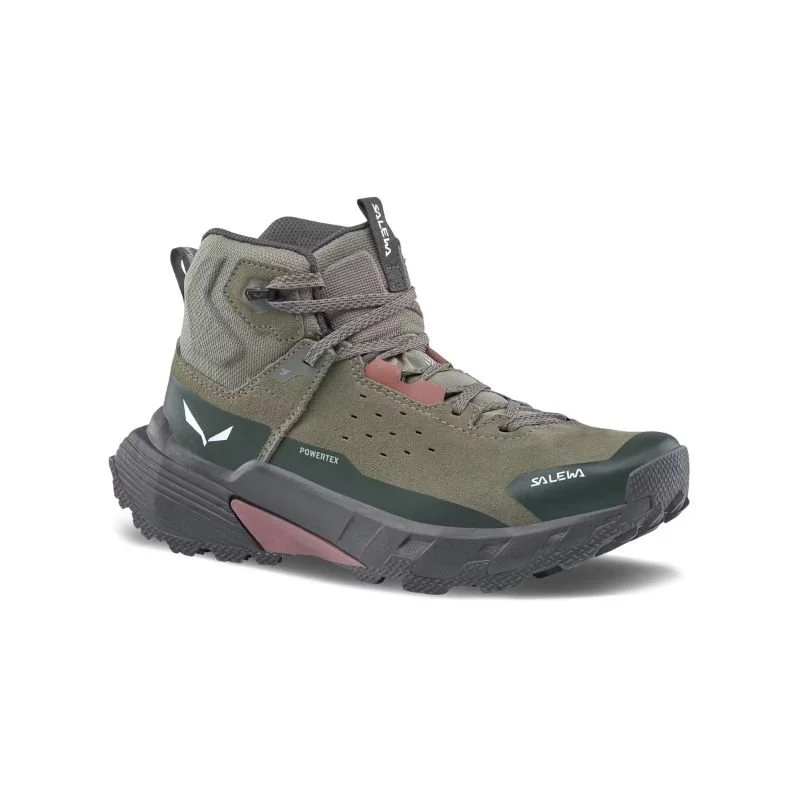
A good pair of water-proof hiking boots is important in fall and winter. I got to test out several different boots this fall, and these are my favorites.
Salewa Pedroc 2 Leather Mid Powertex Boots - Men’s | Women’s (these are by far the most comfortable hiking boots I have ever worn, and I have tried a ton over the years)
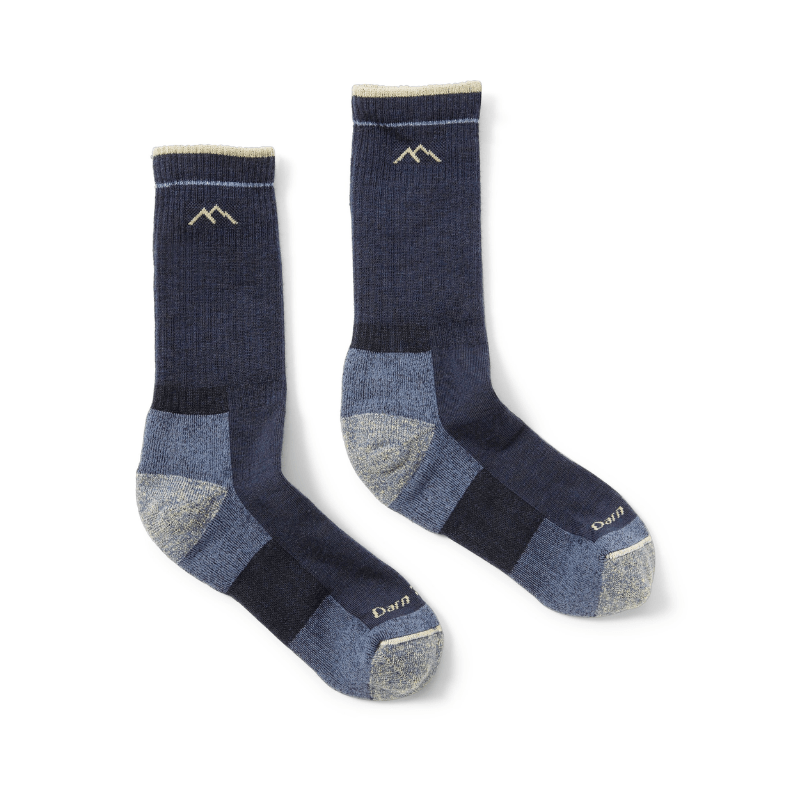
Hiking Socks:
In fall and winter, I usually wear liner socks to help prevent blisters and add warmth, and then a wool boot sock over the top.
Sock liners: Injinji Liner Crew Wool Socks - Unisex
Gaiters:
If you’re hiking in snow, or snowshoeing, you’ll want a good pair of gaiters to keep snow out of your boots.
Backpacks and Packing Accessories for Hiking and Snowshoeing
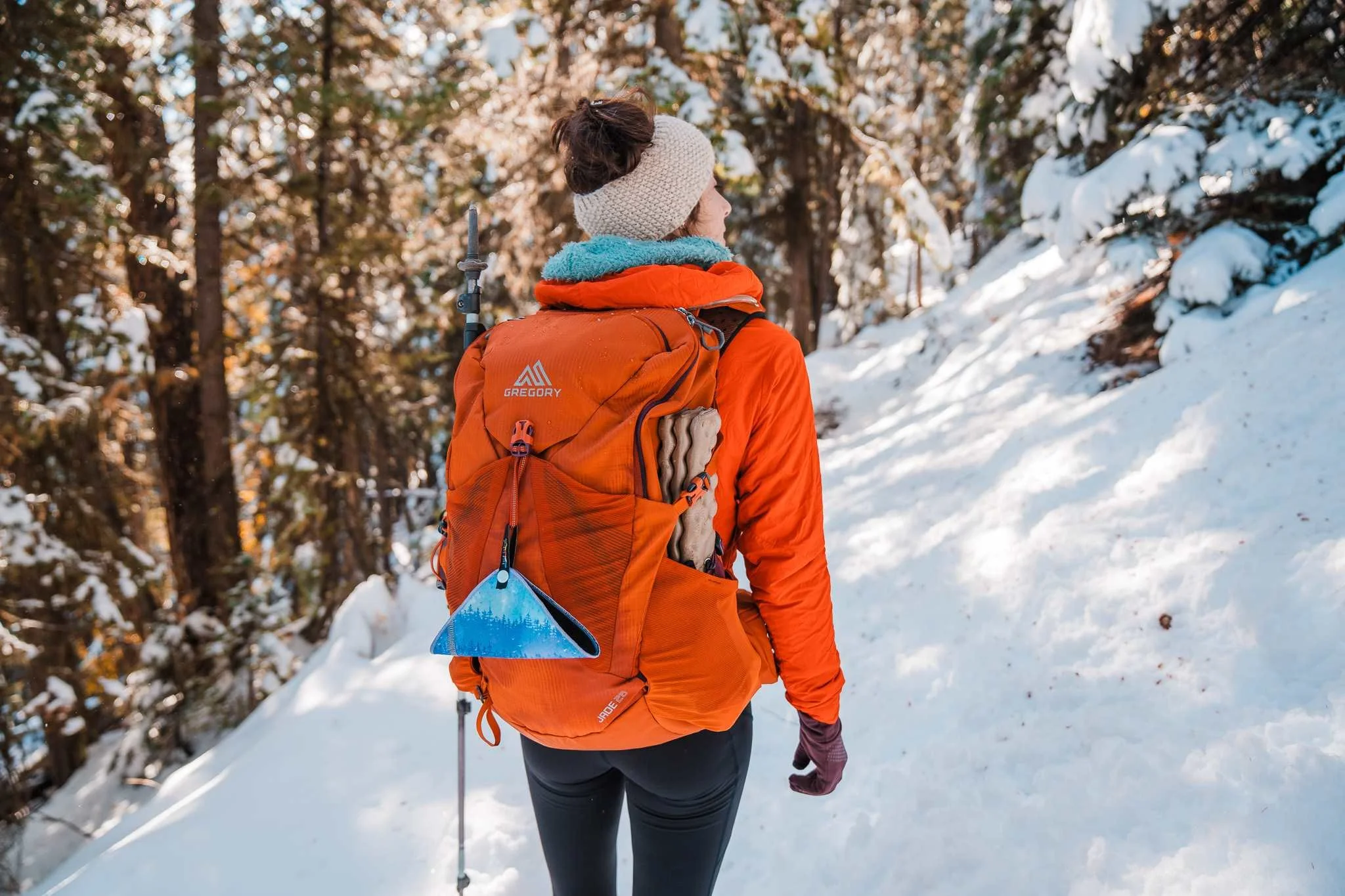
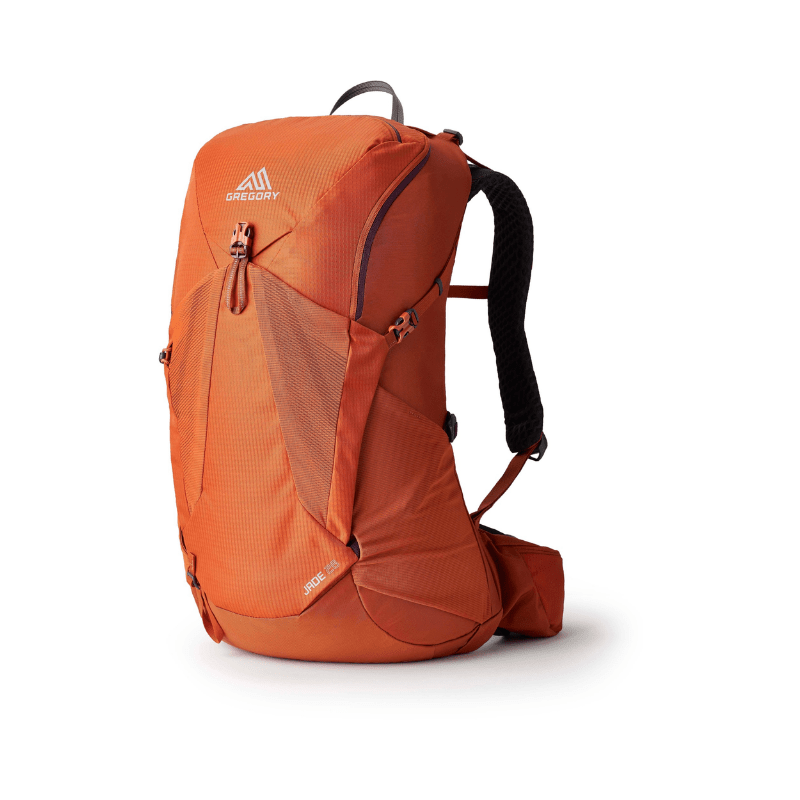
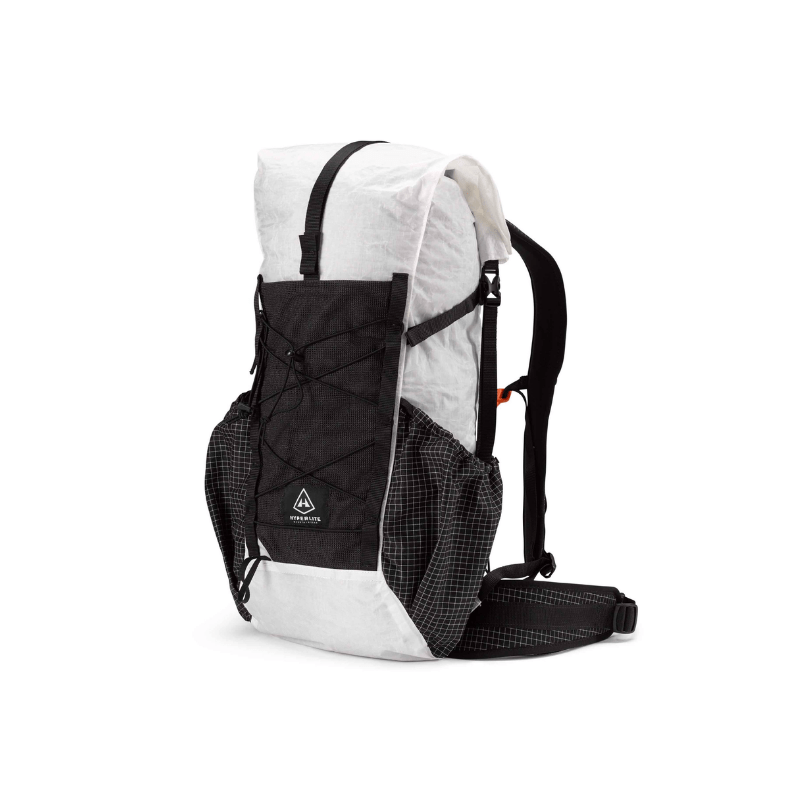
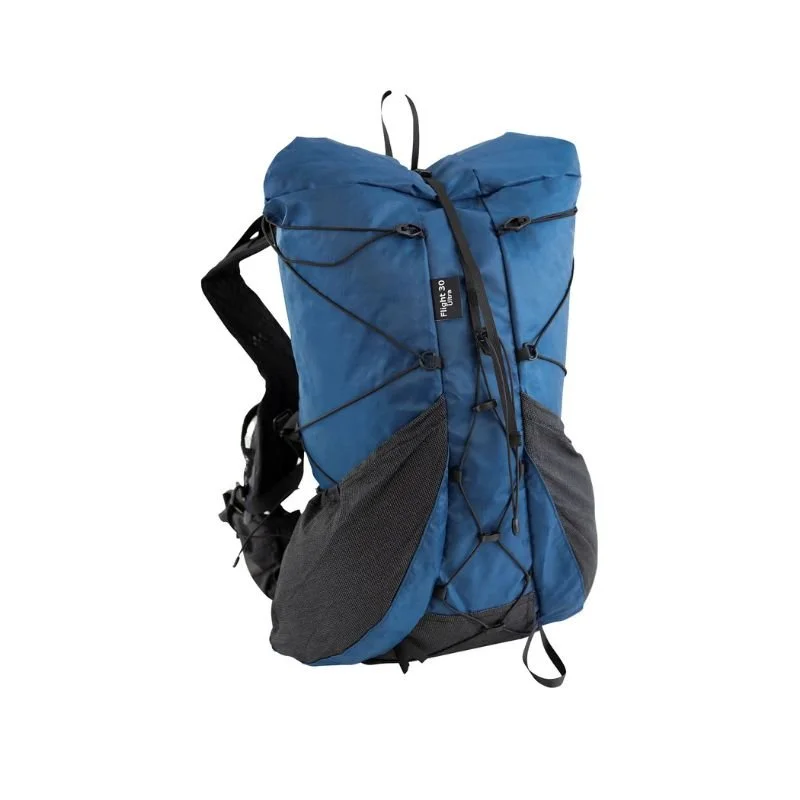
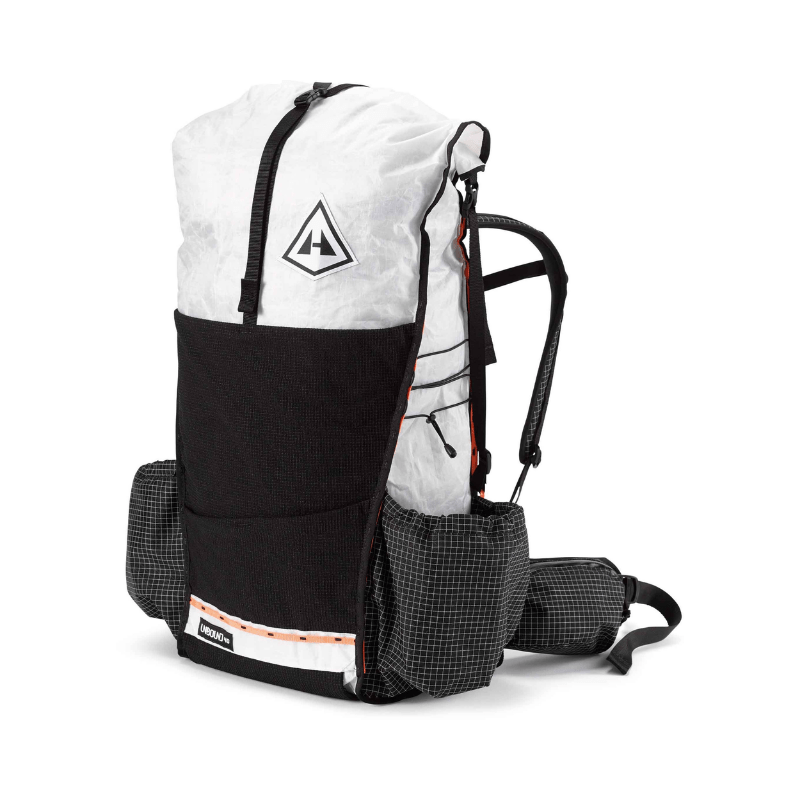
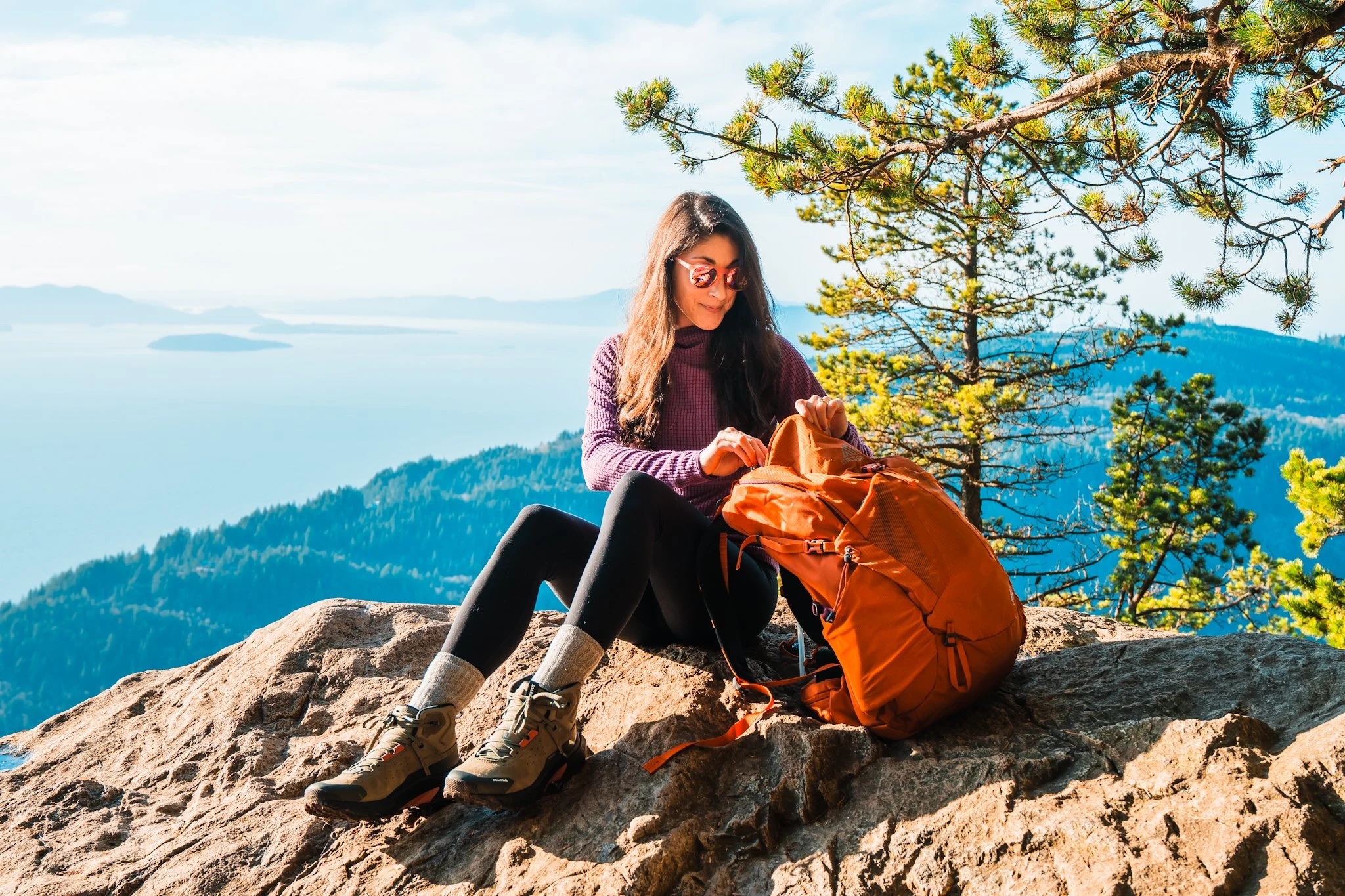
A reliable backpack keeps all your hiking essentials organized and protected from the elements, which is especially important in cooler months when you’re carrying extra layers, food, water, and the ten essentials. I’ve been testing a variety of daypacks to find the best options for fall and winter hikes, packs that are large enough to fit all your gear without feeling bulky. For most hikers, a 25–38L pack hits the sweet spot: roomy enough for extra layers, snacks, and safety gear, but still comfortable for day trips or shoulder-season hikes.
Daypack (20–30L):
Dry Storage: Even if your pack isn’t waterproof, use dry bags or waterproof stuff sacks for spare clothes and electronics.
What to Pack
Cold Weather Hiking Essentials to Always Pack for Every Hike or Snowshoe Trip
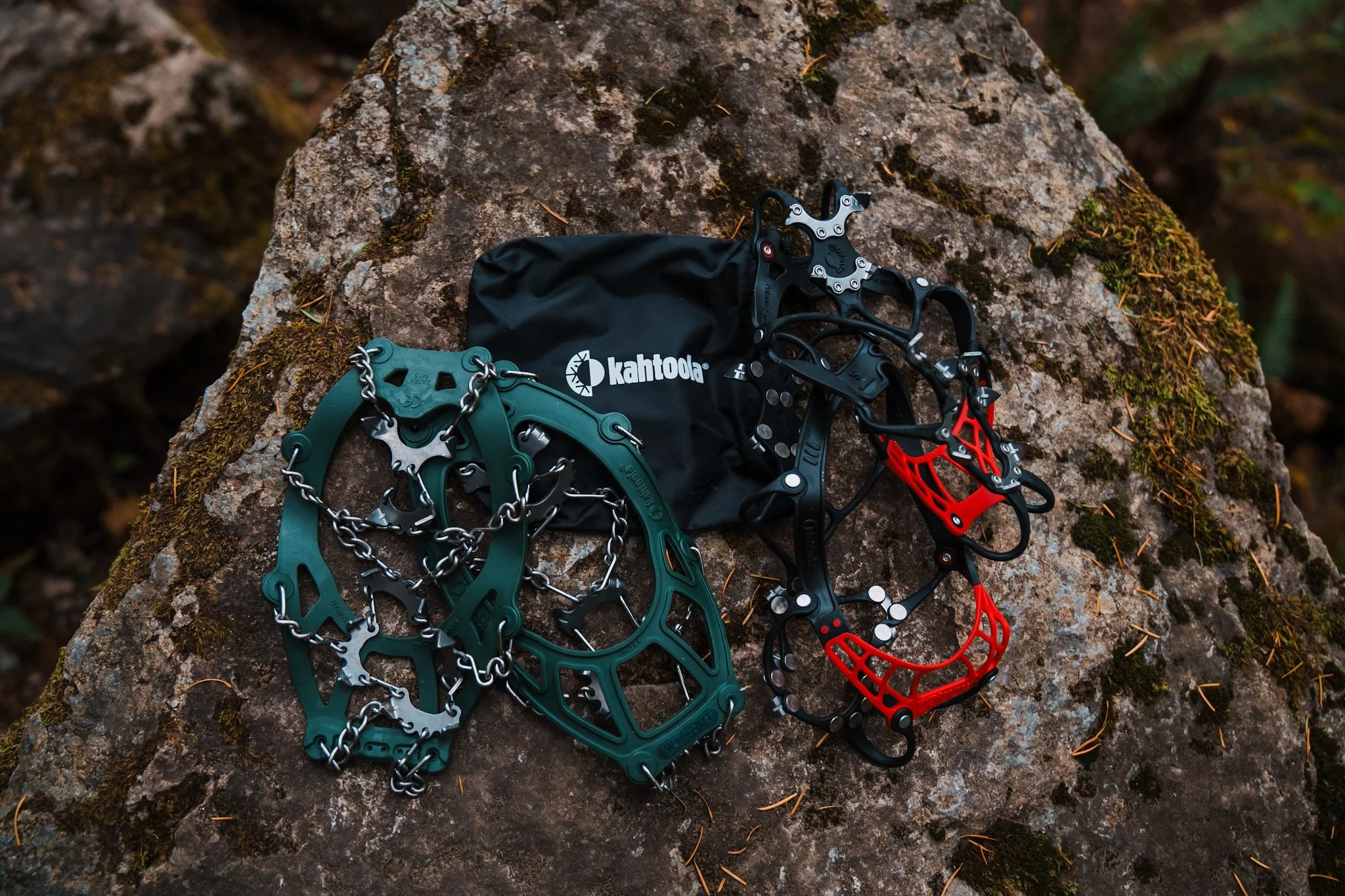
Even for a short day hike, certain items should always make it into your pack, especially in fall when daylight is limited and conditions can change quickly. A big one for hiking on snowy trails is making sure to pack microspikes for traction. My favorite are Kahtoola MICROspikes, and this year (2025) they just launched a new ultralight pair called the MICROspikes Ghost.
Fall and Winter Hiking Gear You Need to Add to Your Packing List:
Hydration (1–2 L of water): Staying hydrated helps regulate body temperature and energy levels.
Snacks (nuts, bars, sandwiches): Fuel for long climbs and colder temps.
Navigation (map, compass, offline map app like Gaia GPS): Cell service is unreliable, always download the map prior to leaving service.
Headlamp + spare batteries: Days are shorter; you don’t want to get stuck in the dark.
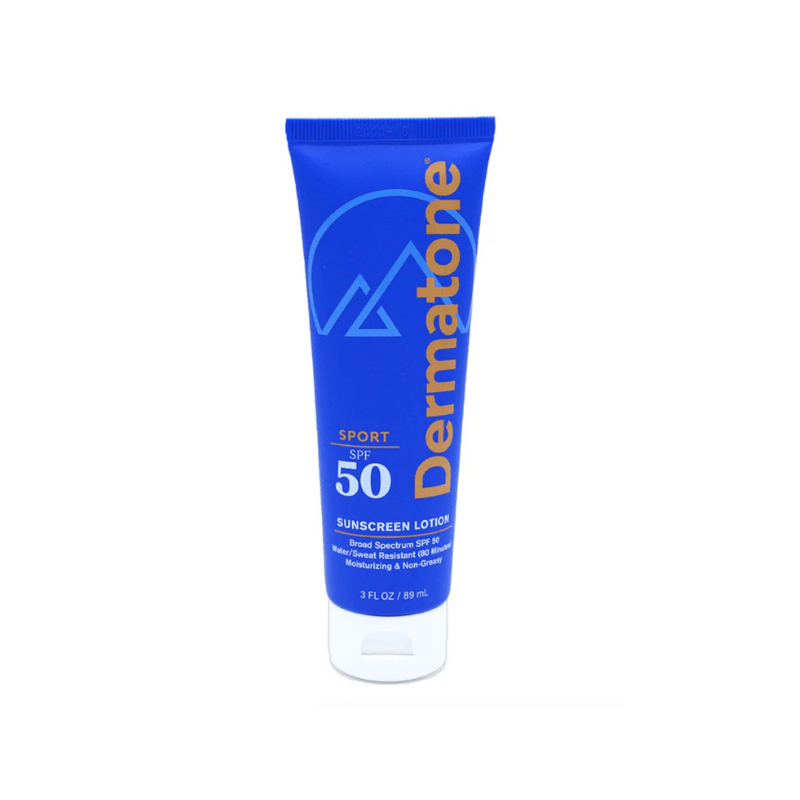
Sunscreen + sunglasses: UV rays are still strong, especially at higher elevations.
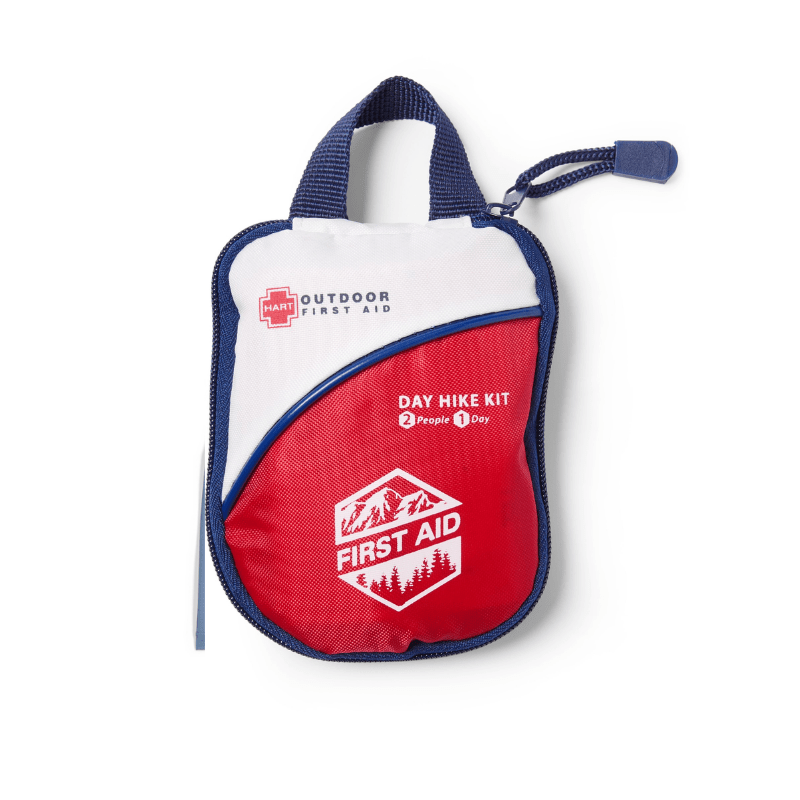
Lightweight first-aid kit: Include blister care, tape, pain meds, and basic medical supplies.
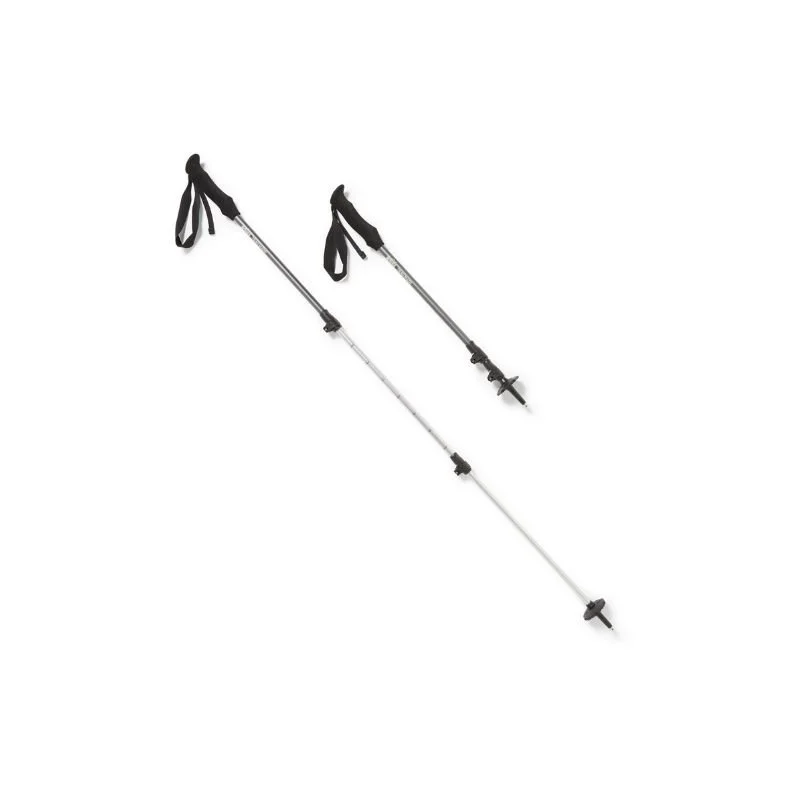
Trekking poles: Helpful on slippery, uneven terrain covered with leaves or early snow, make sure to purchase poles with snow baskets.
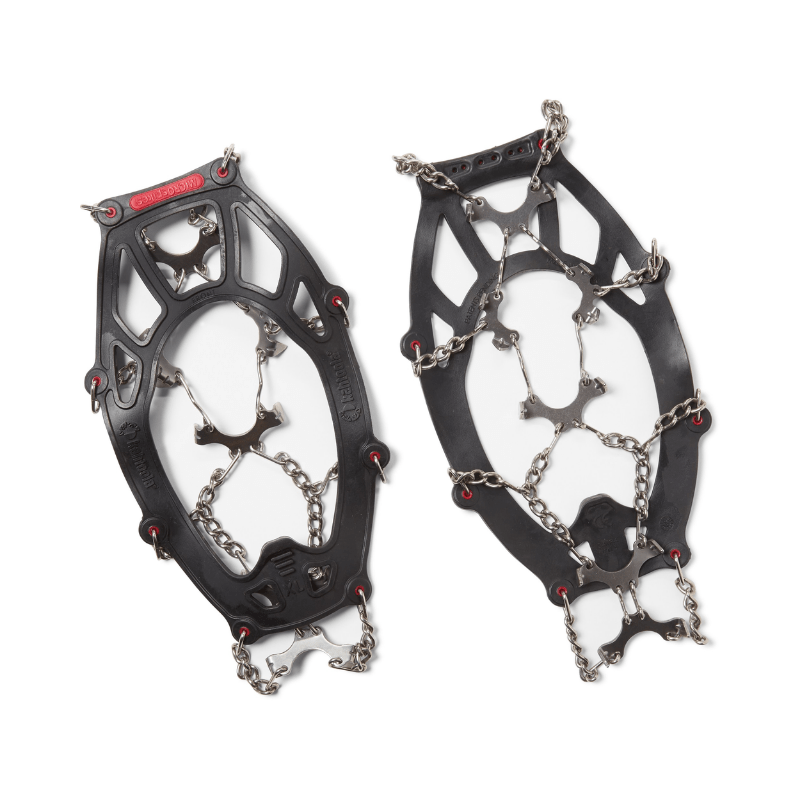
Microspikes/traction: Essential for icy trails in late fall or shaded areas. My go-to brand for spikes is Kahtoola, they are high quality and have a great warrenty.
Kahtoola MICROspikes - The original microspikes that are hearty and fit well over boots.
Kahtoola MICROspikes Ghost - Ultralight spikes that fit over hiking boots or trail runners.
Kahtoola NANOspikes - A slimmed down version, great for running in and ice sidewalks, not as great on trail or on thicker ice.
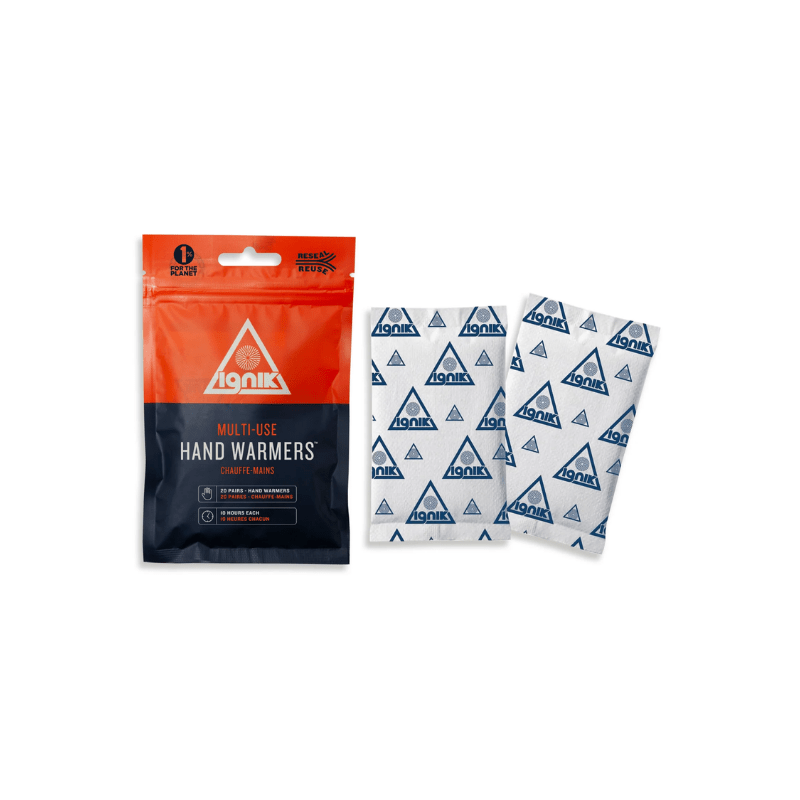
Hand and foot warmers: The absolute best are by Ignik since they are re-sealable in case you don’t need them for hours. They also make a rechargeable version of hand warmers that I am excited to try out this winter.
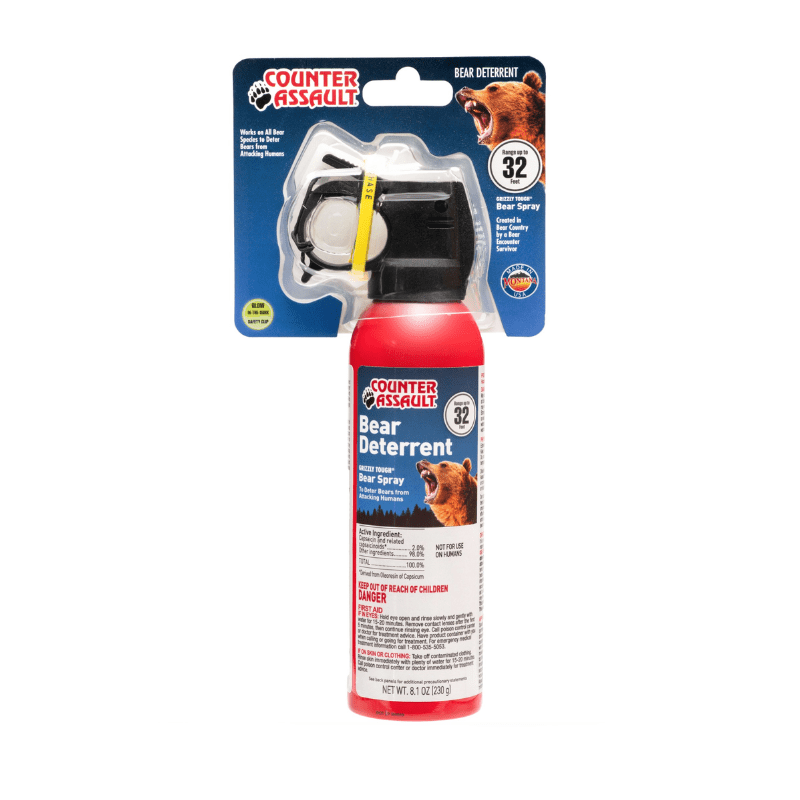
Bear spray (if in bear country): Wildlife encounters are more common in autumn.
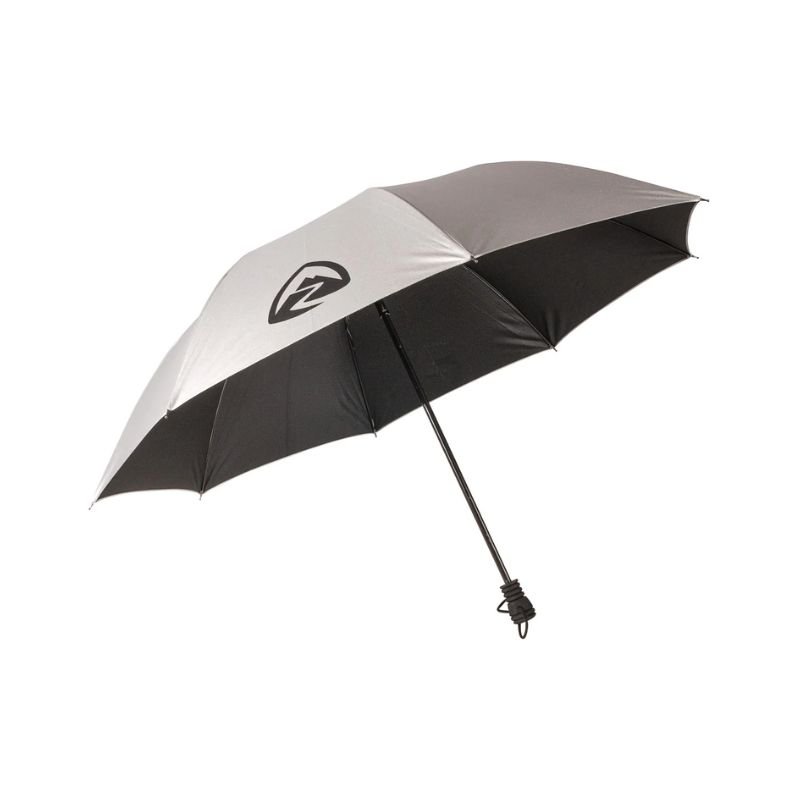
Ultralight hiking umbrella: Yes, it’s a thing, keep reading for a full review on why you need on. TLDR: they are great for rainy and snowy hikes.
Ultralight Umbrellas for Hiking: A Game-Changer for Rain, Snow, and Photography
Yes… a Hiking Umbrella. Here’s Why I’m Now Obsessed:
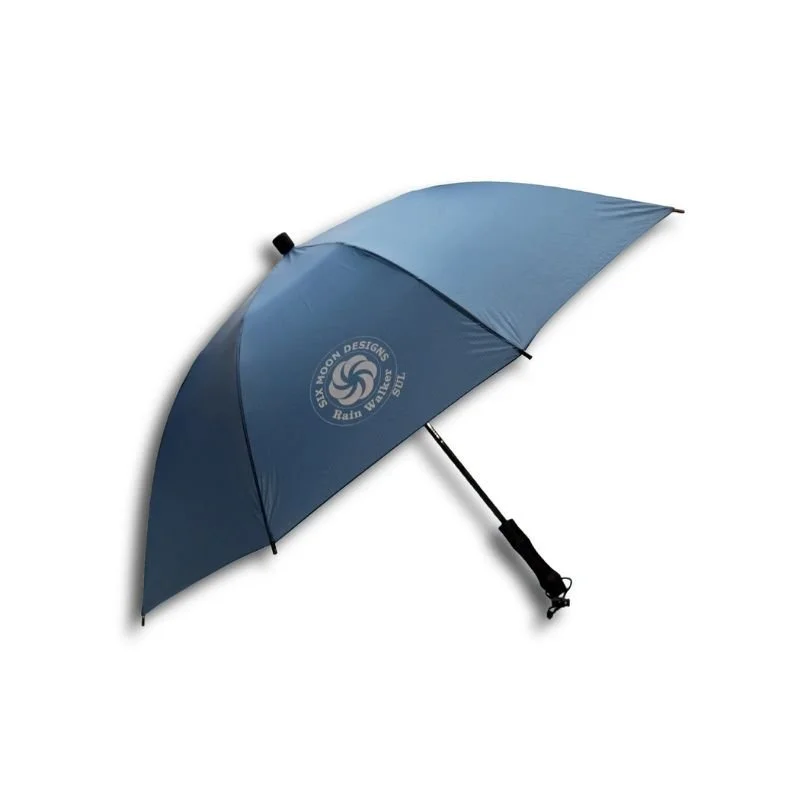
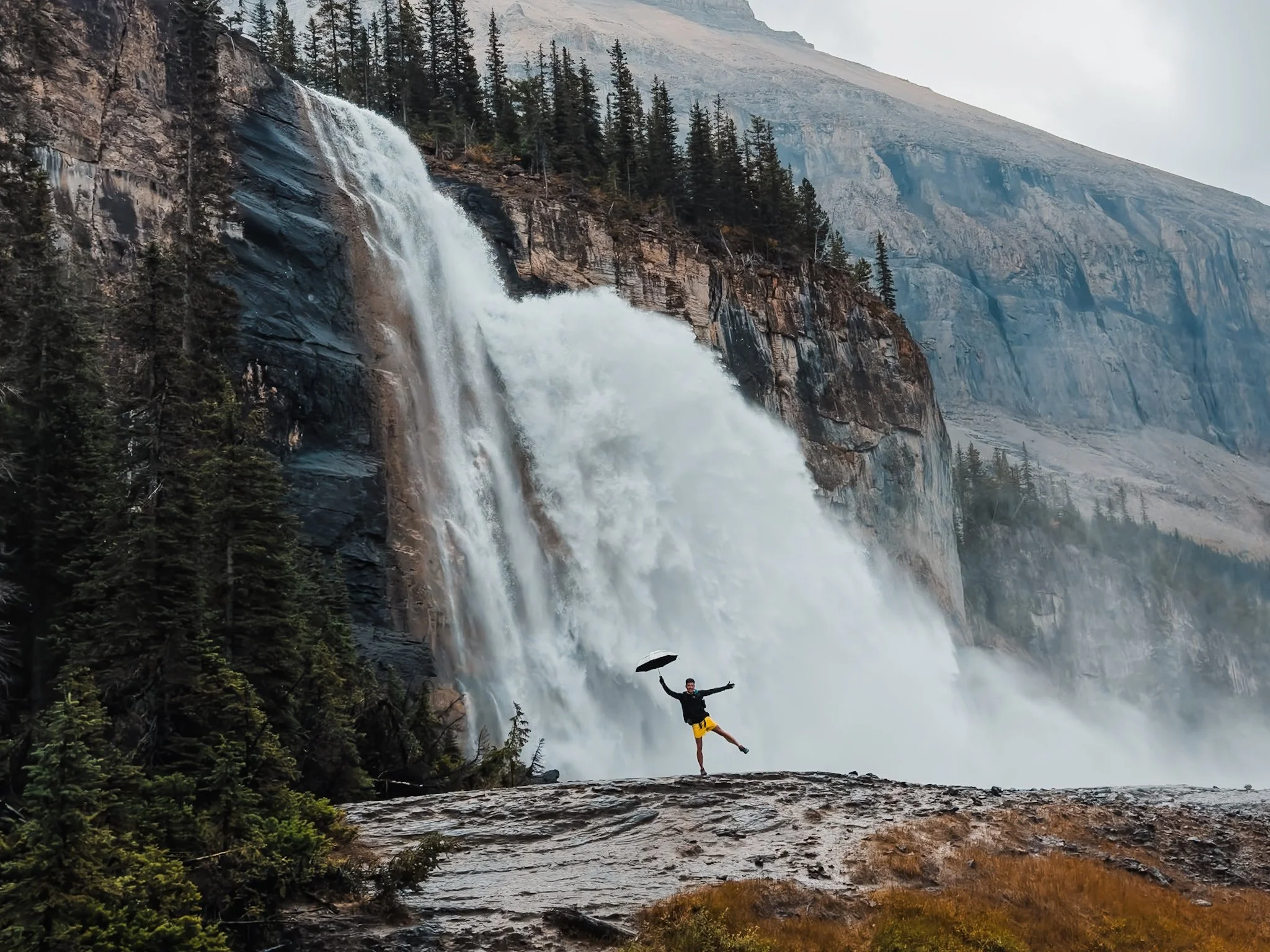
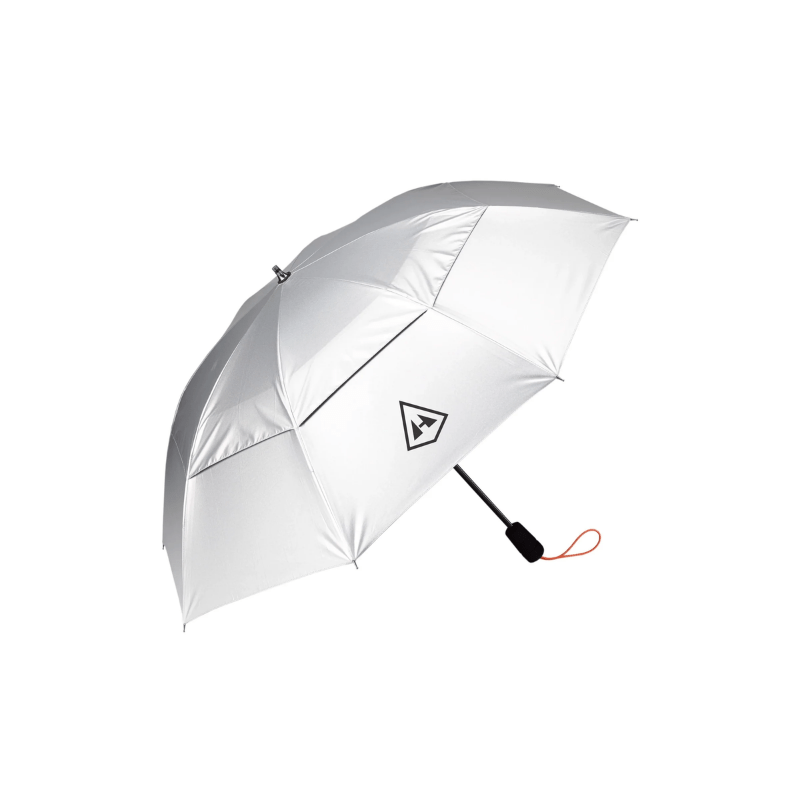
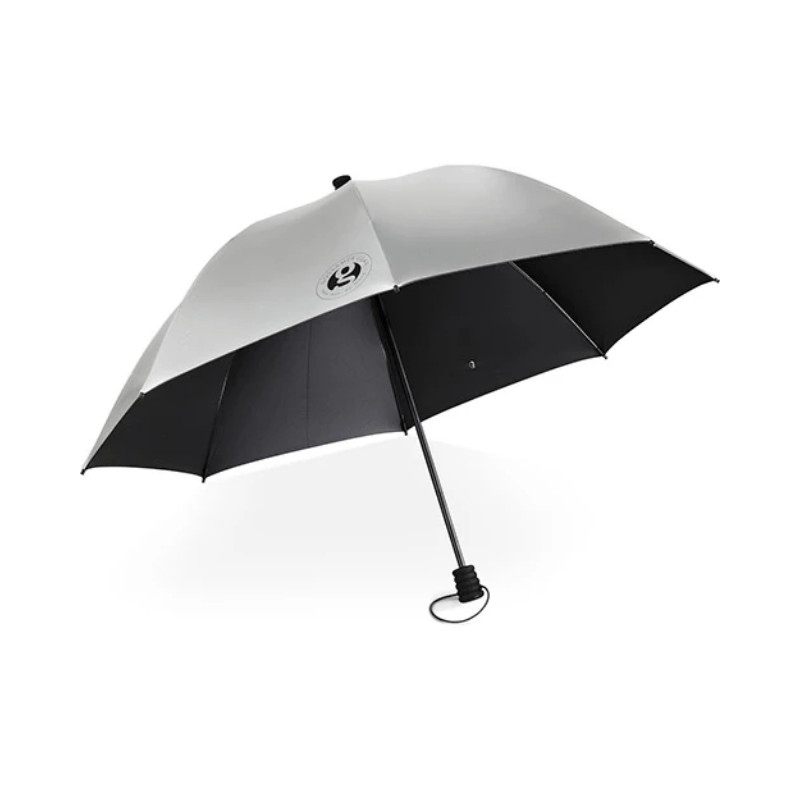
Hear me out, an ultralight hiking umbrella is one of the most underrated pieces of fall and winter hiking gear. Unlike a traditional umbrella, backpacking umbrellas weigh almost nothing (the ones below are between 5.8 and 6.8 oz) and can attach directly to your backpack shoulder strap for hands-free hiking in rain or snow.
On rainy trails, they keep your face and upper body dry, protect your pack from soaking through, and make it way easier to take photos or film videos without worrying about your camera or phone getting wet.
And on snowy hikes or snowshoe trips, they’re surprisingly amazing for blocking drips from trees above and tree bombs (those chunks of snow that fall off tree branches and land directly on your head). Once you try hiking with one, it’s hard to go back.
Garrett (my husband who does gear testing with me) and I have tried both the Six Moon Designs Rain Walker SUL Umbrella and Hyperlight Mountain Gear’s Essential Umbrella. They’re both great choices, but the Rain Walker is a full ounce lighter and made specifically for rain. All of the other options below work great for rain and sun (think hot desert hikes), and include a UPF sun rating.
The Ten Essentials: Cold Weather Hiking Gear You Should Never Leave Behind
Every hiker needs to carry the Ten Essentials, especially when the temps drop. These are the must-have items that keep you safe, warm, and prepared for anything the trail throws your way. Whether you’re tackling a snowy summit or heading out for a crisp fall day hike, this winter hiking gear checklist covers the basics you should always keep in your pack.
The Ten Essentials for Hiking:
Navigation: Map, compass, and GPS (or an offline app like Gaia GPS).
Headlamp: Always pack extra batteries or a battery pack and cord to charge, shorter days mean less daylight.
Sun protection: Sunglasses, sunscreen, and SPF lip balm.
First aid kit: A lightweight kit with blister care, pain relief, and bandages.
Knife or multi-tool: Useful for repairs, cutting cord, or food prep.
Fire starter: Matches, lighter, or firestarter stored in a waterproof bag.
Shelter: Emergency bivy, space blanket, or ultralight tarp.
Extra food: High-calorie snacks for energy and emergency backup.
Extra water: A full bottle or insulated hydration bladder to prevent freezing. Plus if it’s a longer hike, bring a filter.
Extra clothing: Insulating layers, hat, and gloves to stay warm if you stop moving.
Packing these Ten Essentials for hiking and snowshoeing means you’re ready for anything, from sudden snow flurries to late-day detours. Think of them as your safety net for every cold weather adventure.
Gear Discount Codes and Links
I’ve partnered with a few of my favorite outdoor brands to hook you up with exclusive discounts on trail-tested gear. These are companies I actually use and love, and when you shop through the links below, you’ll get a deal and help support my blog. Win-win!
20% off SkyGOAT (grid fleece) - Click the link and add code SKYEGOAT to your cart at checkout to get 20% off your order.
15% off LUNA Sandals - Click the link and the discount will be added to your cart automatically.
15% off Stio with code SKYE15 - Click the link and enter the code in your cart.
10% off Will and Bear hats with code SKYESTOURY - Click the link and the discount will be added to your cart automatically.
20% off Wild Deodorant with code SKYESTOURY - Must enter the promo code at checkout to receive discount. They make a deodorant mini that is perfect for backpacking, it’s the size of a lip balm.
10% off Loop Earplugs with code SKYE10 - Enter the promo code at checkout. I use their Dream earplugs for sleeping both backpacking and car camping.
Final Thoughts on What to Wear and Pack for Cold Weather Hikes and Snowshoe Trips
Cold-weather adventures can be some of the most rewarding days you’ll ever spend outside, crisp air, quiet trails, and maybe even a little snow magic. The key is preparation. With the right layering system, waterproof footwear, and a well-packed backpack, you can stay warm, dry, and ready for anything the season throws at you.
Whether you’re heading out for a brisk fall hike or a full-on winter snowshoe trip, focus on comfort, versatility, and safety. Invest in quality gear that fits your needs, keep an eye on weather and trail conditions, and always pack the ten essentials.
Get outside, embrace the cold, and remember, there’s no bad weather, only bad attitudes and bad layering systems.
Other Hiking and Backpacking Guides to Check Out
More Gear Reviews
Save this Post for Later
2025 Holiday Gift Guide for Outdoor Lovers: Best Gifts for Hikers, Backpackers & Travelers
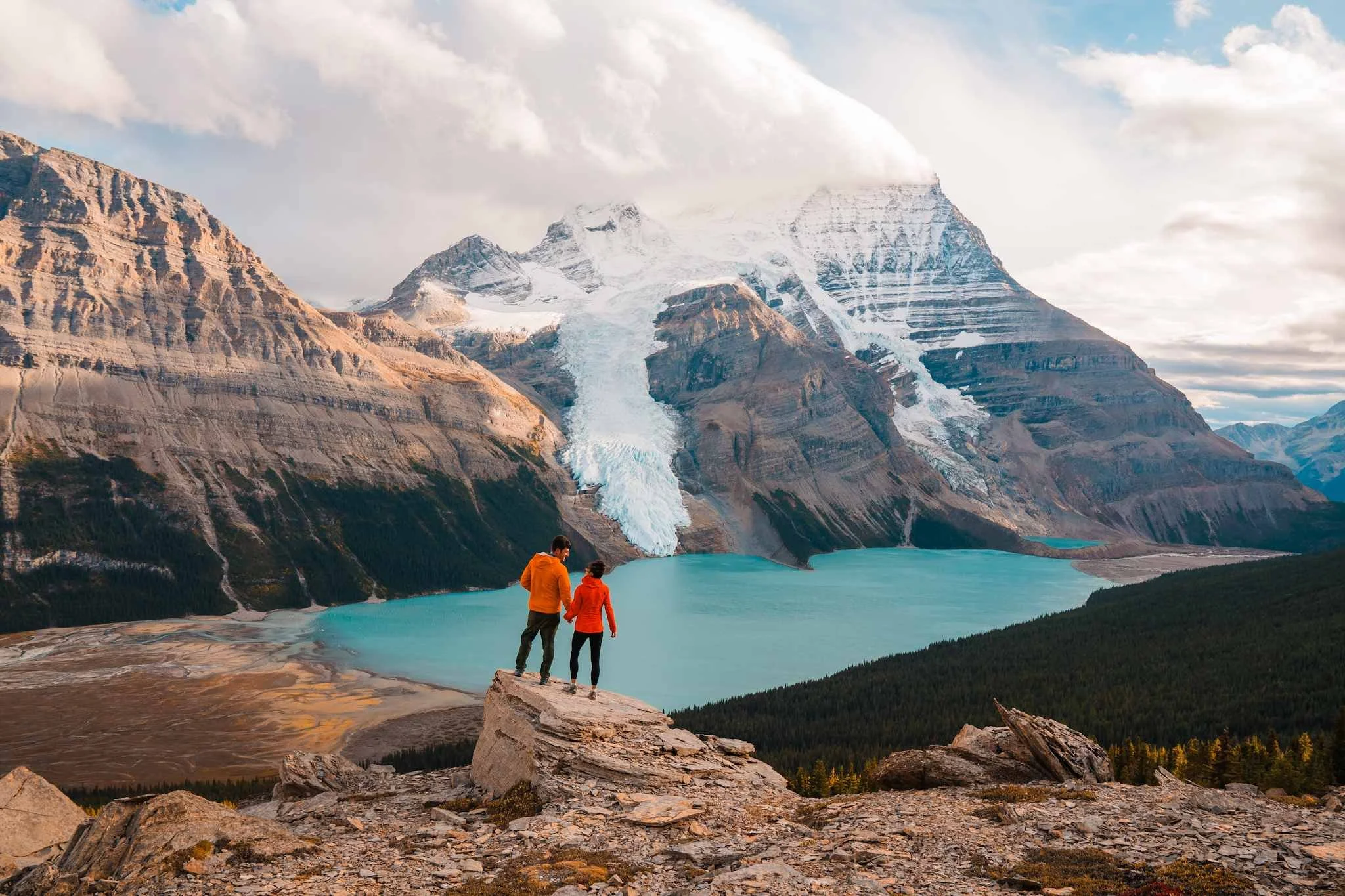
Backpacking the Berg Lake Trail: Ultimate Guide to Mount Robson’s Most Iconic Hike
This image is copyrighted and owned by Skye Stoury Photography and skyestoury.com, if you would like to licence any images on this site, please email us at hello@skyestoury.com